Instagram may feel like a safe place to discover trends, shop from new brands, and connect with creators – but it’s also becoming a major hunting ground for scammers. Every day, people lose money through fake online stores, investment traps, and impersonation scams.
If you’ve ever thought, “I got scammed on Instagram… what should I do now?”
This guide will help you understand how Instagram investment scams happen and take action confidently.
How Instagram Scams Actually Start?
Scammers don’t begin by asking for money. They start by looking credible.
Here’s how they typically operate:
- They create professional-looking profiles with edited product photos.
- They run targeted ads offering huge discounts or “last-day sales.”
- They send direct messages pretending to be influencers or brands.
- Some even use fake Instagram support messages asking you to “verify your account.”
Once they gain your trust, they push for quick payments through UPI, bank transfers, or cryptocurrency, and after receiving the money, they disappear.
Popular Instagram Scams You Should Know
These scams are reported most often by users:
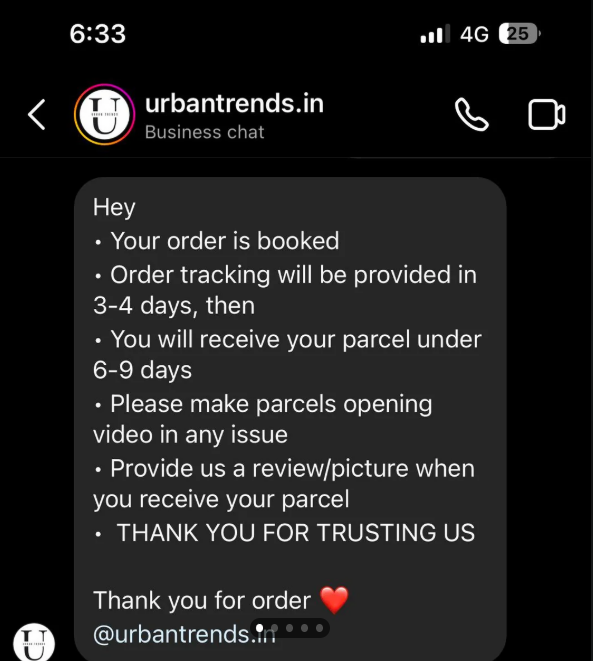
1. Fake Online Stores
They take orders, collect payments, and deliver nothing. Most don’t have any customer support and vanish after receiving money.
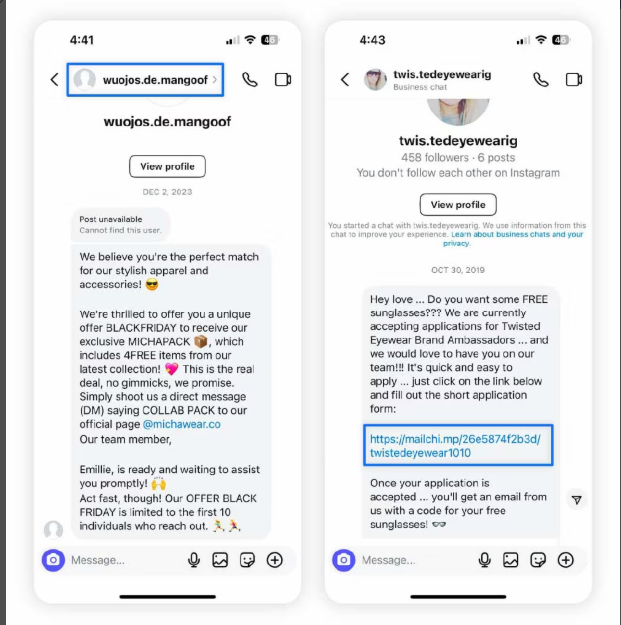
2. Influencer or Brand Impersonation
Scammers pretend to be popular Instagram creators offering “paid promotions” or “giveaways” in exchange for an entry fee.
3. “Limited Offer” Ad Scams
Sponsored ads that look real but lead to fake websites or personal payment links.
4. Crypto or Investment Schemes
Promises like “double your money in 24 hours” or “guaranteed profit with zero risk” are big red flags.

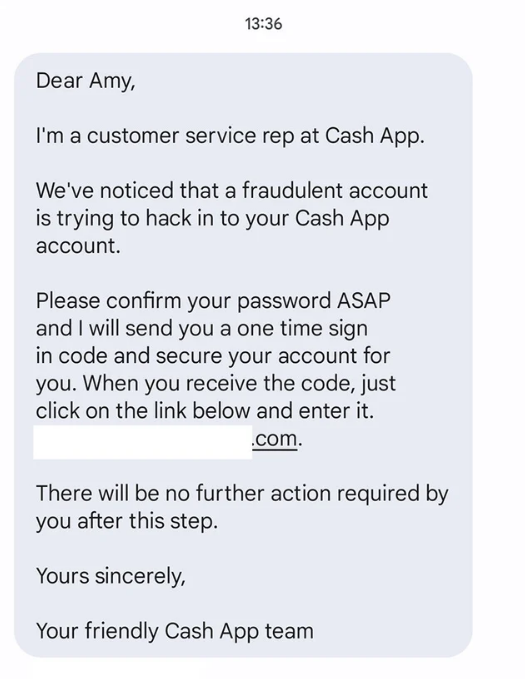
5. Fake Account Verification Messages
You receive a DM claiming your account will be “banned soon” unless you click a link or give personal details.
Warning Signs You Should Never Ignore
There are real red flags that appear before the scam succeeds. Look out for:
- Only UPI/personal bank transfer options – no secured payments
- Urgency: “Offer ends tonight!” or “Only 3 items left.”
- Comments turned off or hidden
- Stock photos or AI-generated product images
- No real customer reviews
- Suspicious profile names that include words like “official_shop_001.”
- Pushy behavior: “Pay now, and I’ll send tracking instantly.”
If even two or three warning signs appear, your safest option is to stop immediately.
What To Do If You’ve Been Scammed on Instagram?
You’re not alone – and action is still possible. Follow these steps quickly:
- Stop communicating with the scammer immediately.
- Screenshot everything – chats, posts, payment details, UPI IDs.
- Visit your bank or UPI support – ask if the transaction can be reversed.
- Report the Instagram account (three dots > Report > Scam).
- File a cybercrime complaint.
Need Help?
If you want step-by-step support in filing your complaint, you can register with us.
How we support scam victims:
- Free Case Evaluation- We analyze your situation at no cost and provide honest feedback on recovery possibilities.
- Documentation Assistance- We help organize all your proofs, create proper complaint files, and prepare legally acceptable evidence formats.
- Legal Consultation- We connect you with experienced cyber fraud lawyers who specialize in cryptocurrency and investment scams.
- Recovery Process Guidance- We help track frozen accounts, coordinate with banks, and maximize your fund recovery chances through legal channels.
We’ll guide you through every step of the scam’s recovery process.
Don’t stay silent. Your money matters, and recovery is possible with the right support.
How to Report an Instagram Scammer?
On Instagram, open the profile or message, tap the three dots (…), and choose:
- Report Account or
- Report Message: It’s a Scam or Fraud
This helps Instagram identify scam patterns and remove fake accounts faster.
For financial recovery, you can also file a cyber crime complaint for Instagram; it does not handle refunds.
How to Protect Yourself From an Instagram Scam?
Here’s a simple checklist before making any online purchase:
- Search the brand on Google – does anything credible come up?
- Look for a registered business name or GST details
- Avoid ads that use overly edited photos
- Check how old the Instagram account is
- Always use secure payment gateways, never personal UPI IDs
- Search for reviews outside Instagram
- If it feels “urgent”, it’s probably fake
The moment something feels “too good to be true,” it usually is.
Conclusion
Being scammed on Instagram can feel frustrating and embarrassing – but it’s not your fault. The biggest mistake is staying silent. When you report the scam, you don’t just help yourself – you help protect thousands of others.
Awareness is your biggest defense.
Knowledge is your online safety belt.
And taking action is your best first step forward.