
When users search for the DataCash Pro login, the intention is usually not just to access the platform. The real question behind the search is simple and important: Is DataCash Pro genuine, and is it safe to use?
In a digital environment filled with data selling apps and quick-money promises, many platforms look convincing at first glance.
Dashboards show balances growing, withdrawal options appear ready, and everything feels legitimate.
This blog examines DataCash Pro carefully, explains what it claims to offer, why its login process raises concerns, and what users should know before trusting the platform.
What is DataCash Pro?
DataCash Pro is promoted as an earning app that claims users can make money by sharing unused mobile data or completing simple online tasks.
It usually spreads through APK downloads and Telegram links instead of official app stores. The app shows a wallet-style dashboard where earnings appear to grow over time.
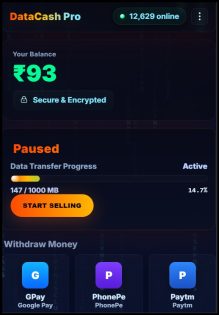
Users are encouraged to register, stay active, and track their balance inside the app. Withdrawal options are displayed within the interface, but there is limited publicly verified information about the company behind it.
Because it operates outside mainstream app marketplaces, its transparency and accountability remain unclear.
DataCash Pro Login Explained
A major concern with DataCash Pro is that it is not available on the Google Play Store or Apple App Store. Users cannot download or log in through a verified app marketplace.
Instead, access usually happens through APK download links shared on third-party websites or community pages. Some sources claim to host the “latest version,” but these are not official app store listings.
This creates a serious risk. Third-party APK platforms do not verify developer identity. They do not guarantee code safety. Files can be modified or tampered with. Security updates are not consistent.
Logging in through such sources increases both financial and data security exposure.
How Does the Login Process Work?
Logging into DataCash Pro looks simple at first. Users install the app from an external link, enter a mobile number or basic details, and complete a quick verification step.
Within seconds, the dashboard opens and shows earnings, wallet balance, and reward options already waiting inside.
But the process moves fast for a reason. There are usually no deep verification checks at the beginning.
Once access is granted, the app immediately encourages users to explore earning features, referrals, and Data Cash app withdrawal sections, creating the feeling that income has already started.
The login feels like a small step. In reality, it becomes the entry point where users begin trusting the platform before fully understanding how it actually operates.
Why APK-Based Login Is Risky?
When a platform requires users to download an APK from unofficial sources just to log in, several dangers arise:
- Your device could be exposed to malware or spyware
- Personal information such as phone number, UPI ID, or email may be harvested.
- App permissions may exceed what is necessary.
- There is no accountability if something goes wrong
Even if the app interface looks professional, that alone does not make it legitimate.
Is DataCash Pro App Safe?
Independent safety analysis tools have raised concerns about DataCashPro.com, the website linked to the app. The domain appears relatively new and does not show a long operational track record.
Ownership details are not clearly visible, which reduces transparency.
Technical checks also indicate hosting patterns associated with other low-trust or short-lived sites.
That does not confirm fraud, but it places the platform in a higher-risk category compared to established financial apps.
Legitimate earning platforms usually display clear company ownership, registered business information, working contact details, and structured privacy policies.
In the case of DataCash Pro, these credibility signals are limited or unclear.
The absence of visible corporate identity and regulatory clarity increases uncertainty. It does not automatically prove wrongdoing, but it raises the level of caution users should apply before engaging financially.
DataCash Pro App Major Red Flags
Before trusting any earning platform, it is important to pause and look at structural warning signs. Risk usually shows up in patterns.
When multiple red flags appear together, they should not be ignored.
1. Lack of Transparency
The platform does not clearly disclose who owns or operates it. There is no visible company registration, no named directors, and no accountable business entity.
Legitimate earning or financial apps usually display legal details, registered addresses, and support credentials. When ownership is unclear, accountability becomes difficult.
2. Unrealistic Earning Model
The idea of selling unused mobile data as a stable income source raises serious questions.
There is no clear explanation of who purchases this data, why companies would pay individuals directly, or how revenue is realistically generated and distributed.
Without a transparent business model, earning promises remains an unverified claim.
3. No Official App Store Presence
Most legitimate financial or earning applications operate through Google Play or the Apple App Store. These platforms require developer disclosures and policy compliance.
Absence from both stores removes an important layer of oversight and user protection.
4. Negative Independent Assessments
External reputation and safety checkers often flag such platforms with low trust scores, limited domain history, and weak credibility indicators.
Short-term domain patterns and minimal corporate footprint are frequently associated with high-risk operations.
5. Social Media Warnings
Online posts and short video reviews already warn users about possible payout failures or fake earnings claims.
This pattern is common with platforms that attract users quickly but fail to maintain trust over time. When independent warnings begin circulating early, caution becomes necessary.
Steps To Take If You Are Being Scammed?
If you suspect financial fraud or misuse of personal data, act quickly and keep records. Early reporting improves traceability.
1. Act Quickly and Preserve Evidence: If you suspect financial fraud or misuse of personal data, act quickly and keep records. Early reporting improves traceability.
2. Report Cybercrime in India: First, file a complaint on the National Cyber Crime Reporting Portal. This platform handles online financial fraud and digital misuse cases. Upload transaction details, screenshots, account information, and any communication with the app or its agents.
3. File an FIR with Local Authorities: If the financial loss is significant or the app has disappeared, visit your nearest police station or cybercrime cell and file an FIR. Carry printed evidence, including payment receipts, transaction IDs, and app details.
4. Strengthen Your Case with Documentation: Clear documentation strengthens your case and increases the chances of investigation and recovery.
Need Help?
If you are unsure how to proceed or feel overwhelmed, structured guidance can make the process clearer and more manageable.
We support users by:
- Organising evidence such as screenshots, transaction records, and communication logs
- Guiding you through proper complaint filing to ensure accuracy and completeness
- Helping escalate matters through the appropriate channels when initial steps do not lead to resolution
You can also check the details in our online fraud response plan to better understand the process and take the right steps.
Having the right support at the right time can reduce stress, improve clarity, and increase the chances of an effective outcome.
Conclusion
DataCash Pro may appear to offer a simple way to earn money by selling unused data, but the reality is far more uncertain.
With no official app store presence, no transparent company details, and multiple risk indicators, DataCash Pro should be treated as unverified and high-risk, not as a trusted earning platform.
Until there is clear proof of payouts, legitimate business registration, and verified user success from trusted sources, caution is the safest approach.
When it comes to apps promising easy money, skepticism is not negativity; it is protection.