
The online trading space moves fast, almost too fast. New brokers appear every day, each promising cutting-edge tools, lightning-quick execution, and bigger opportunities. But amid all the noise, one question quietly decides everything: Is your FP Markets safe?
That’s exactly where FP Markets enters the conversation. Traders across the globe are talking about it, but curiosity alone isn’t enough when real money is on the line.
Before you place your first trade or fund your account, it’s worth pausing and asking the hard questions, especially if you’re trading from India, where regulations and compliance matter more than ever.
In this detailed guide, we’ll walk you through the full picture. How FP Markets is regulated, what safeguards protect your funds, how secure its trading platforms and mobile apps really are, and what is FP Markets legal status for Indian traders.
By the end, you won’t just have information, you’ll have clarity, confidence, and the insight needed to decide whether FP Markets deserves your trust.
FP Markets Safe in India?
Before asking “Is FP Markets safe?”, it’s worth pausing and looking at what India’s regulators are quietly, but firmly, signalling.
First things first. Is it banned? No. Opening an account or trading with an offshore broker like FP Markets is not a criminal offence under Indian law. Simply using a foreign platform does not land you on the wrong side of the law.
Now comes the question many traders overlook. Is it SEBI-regulated? The answer here is no. FP Markets is an international broker and does not hold a licence from SEBI.
This means it operates outside India’s regulatory framework, even though Indian residents can access it.
So what does this mean in practice for Indian traders? Many continue using FP Markets by funding accounts through international wallets or sometimes via crypto deposits, to navigate local banking restrictions.

In short, offshore trading isn’t illegal, but it isn’t protected either. The freedom is there, but so is the risk.
The legal status of offshore trading in India often feels like a grey zone, so let’s break it down in a way that actually makes sense.
As recently as late 2025 and early 2026, the Reserve Bank of India continued to update its Alert List of unauthorised forex trading platforms. This list isn’t just informational. It’s a warning. Platforms named here are not permitted under FEMA to deal in forex transactions, nor are they authorised to operate electronic trading platforms for Indian residents.
FP Markets has appeared on this RBI Alert List in the past, which immediately raises a red flag for anyone trading from India.
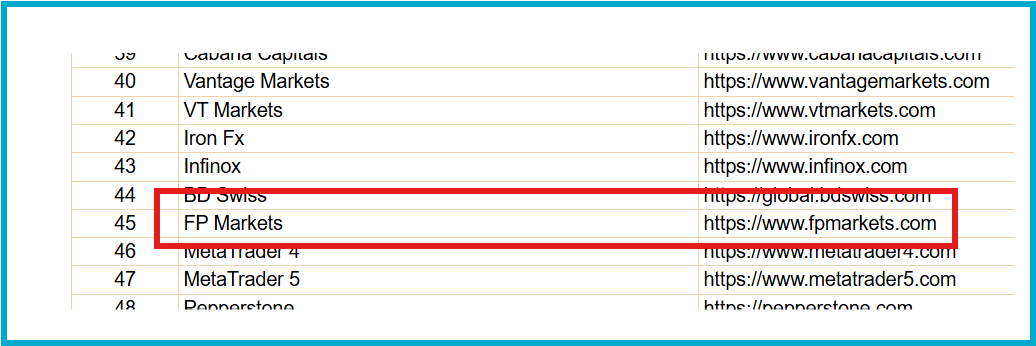
Now ask yourself this: what happens if something goes wrong? If your account is frozen, your funds are blocked, or withdrawals suddenly stop, who do you turn to?
SEBI cannot intervene. Because the broker operates outside Indian regulatory jurisdiction. In other words, once your money leaves the country through an unauthorised platform, Indian regulators’ hands are tied.
Then there’s the temptation factor. FP Markets promotes high leverage, which can feel exciting, especially to new traders chasing quick gains. But leverage cuts both ways. The same tool that multiplies profits can erase your entire trading account in seconds.
So the real question isn’t just whether FP Markets looks professional or popular online. It’s whether you’re comfortable trading on a platform flagged by regulators, with no local protection and risks that can escalate instantly.
When it comes to your capital, those are questions every investor should ask before clicking “deposit.”
FP Markets User Complaints
Looking at user complaints isn’t just about spotting negativity. It’s about reading the story hidden between the lines. Every large trading platform will have a few unhappy voices, and that alone doesn’t make it unsafe. What really matters is what keeps coming up again and again.
In many reviews, users repeatedly talk about connection issues. Others share their frustration with the cTrader platform, saying the experience, especially copy trading, falls short of what was promised. When the same concerns surface across different users and timelines, it’s worth paying attention.
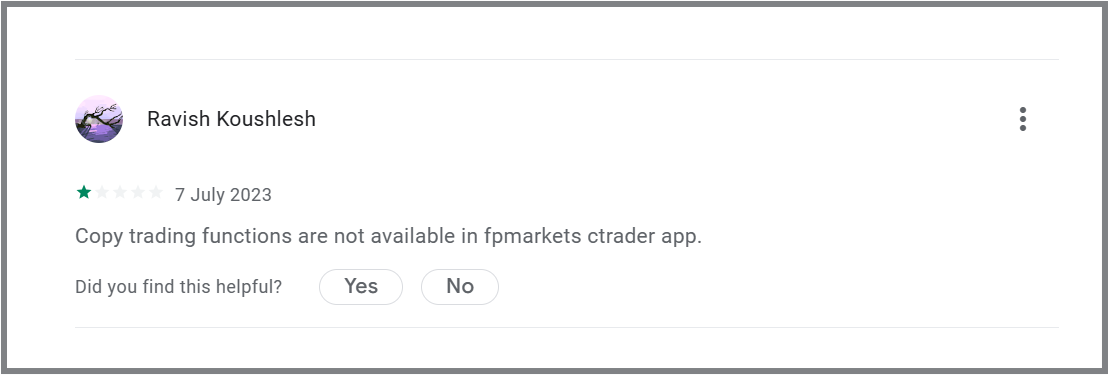
The real red flag appears when complaints follow a clear and consistent pattern, particularly around withdrawals, unexplained restrictions, or aggressive, predatory practices. When those stories start to sound too familiar, it’s no longer noise. It’s a warning signal every trader should take seriously.
How to Report Fake Forex Trading Platforms
If you encounter a platform you believe is fraudulent or deceptive, reporting it is crucial to protect other potential victims. Here’s how you can do it:
- File a complaint with SEBI by sending an email.
- You can also report to the Reserve Bank of India (RBI) if it involves foreign exchange violations.
- File a Cyber Crime complaint.
- If you made deposits via bank transfer, credit card, or an online payment service, contact your bank or payment provider immediately.
- Submit a report to independent websites that track and expose online scams and fraudulent brokers.
Need Help?
Have you been a victim of a fraudulent trading platform, or are you struggling with FP Markets withdrawal problems?
The path to recovery can be complex and daunting. Register with us. Our team is dedicated to assisting individuals who have fallen prey to deceptive trading schemes.
Conclusion
The question “Is FP Markets safe?” doesn’t have a simple yes or no answer, as it depends heavily on your location and specific circumstances.
For Indian traders, the situation is markedly different and raises significant safety concerns. FP Markets’ presence on the SEBI Alert List means that it is not authorised to offer Forex trading services in India.