We’ve all experienced that moment. You’re casually scrolling through Facebook, liking a friend’s holiday photos, laughing at a meme, when suddenly something stops you mid-scroll.
A brand-new lawnmower at an unbelievable price. A dramatic video screaming, “Is this YOU?” Your curiosity kicks in before logic has a chance to catch up.
Scams on the platform have evolved, and they’re no longer easy to spot. Forget the badly written messages from so-called princes asking for help. Today’s scammers are far more sophisticated.
They use AI-generated images, realistic videos, and emotionally charged headlines designed to feel personal. These scams don’t look fake anymore, they look familiar, urgent, and surprisingly convincing.
If you’re thinking, “I got scammed on Facebook, what do I do now?” – this guide will help you understand what happened, how to act immediately, and how to protect yourself going forward.
Why Facebook Scams Are Increasing Rapidly?
If you think Facebook scams are easy to spot, think again. The reality is far more unsettling. Today’s scammers don’t look suspicious at all, in fact, many of them look exactly like people you already trust.
Facebook has quietly become a perfect hunting ground. Features like Marketplace, Groups, and Messenger make it incredibly easy for scammers to slide into conversations naturally.
A friendly message, a tempting deal, or a familiar profile photo is often all it takes to lower someone’s guard. Even users who consider themselves tech-savvy have been caught off guard.
And the impact is massive. Every month, thousands of users across India and the world lose money, personal data, or access to their accounts. The scary part? Most of them never expected it to happen to them.
That’s exactly why Facebook scams are growing so rapidly, not because people are careless, but because scammers are becoming frighteningly convincing.
Common Facebook Scams in India
Facebook is still India’s biggest digital chai tapri, a place where conversations never stop. One moment you’re scrolling past festival photos and wedding reels, the next you’re laughing at a meme or catching up on neighbourhood news.
It feels familiar. It feels safe. And that’s exactly why scammers love it.

As our lives become more digital, Facebook has quietly turned into fertile ground for online fraud. Today’s cybercriminals aren’t just sending clumsy messages anymore.
With cybercriminals now using AI to craft hyper-realistic traps, staying safe requires more than just a strong password. Are you ready to test your “Scam-IQ”?
Let’s dive into the most common Facebook scams in India and how to avoid them.
1. Fake Marketplace Listings
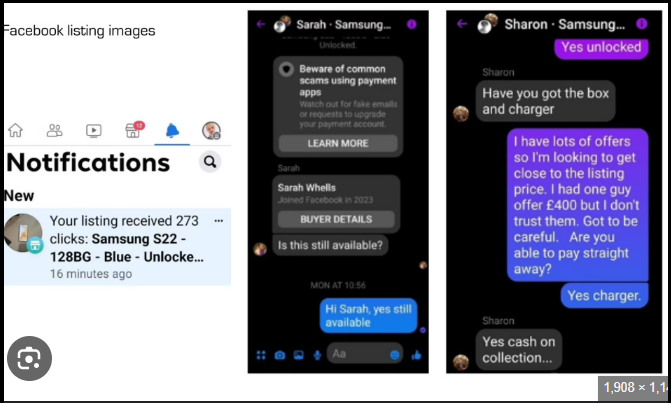
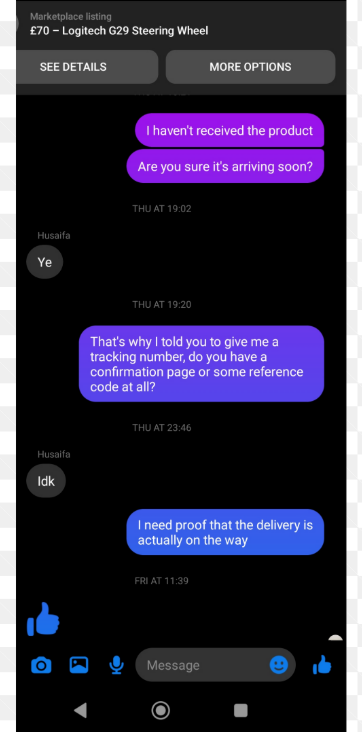
Marketplace is great for deals, but it’s a playground for Facebook scams in India. A common tactic involves a buyer who is “too eager” to pay. Scammers post attractive deals on phones, bikes, or gadgets and demand advance payments. Once paid, they disappear.
2. Impersonation Scams
Have you ever received a frantic Messenger note from a close friend saying, “I’m at the hospital, there’s an emergency, can you UPI me ₹5,000 immediately?”
Scammers clone your friend’s profile, using their real photos and bio, to message everyone on their friend list. They rely on your panic and kindness to steal money before you realise your real friend is perfectly fine.
3. Romance or Emotional Manipulation Scams
Scammers pretend to build a relationship and slowly earn your trust – then ask for help, gifts, or financial support.
4. Fake Brand Pages & Giveaways
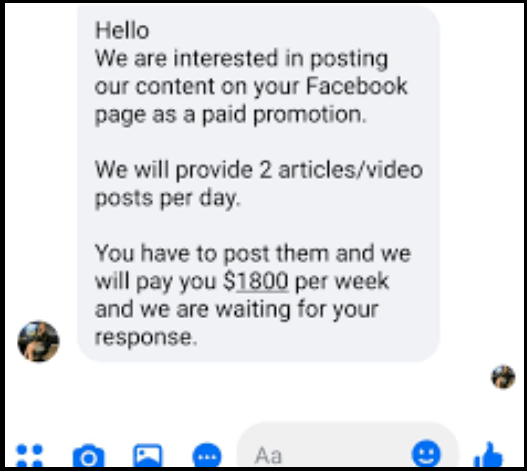
“Congratulations! You won a prize. Click this link.” These links often lead to phishing sites or malware.
5. Job Offer Scams
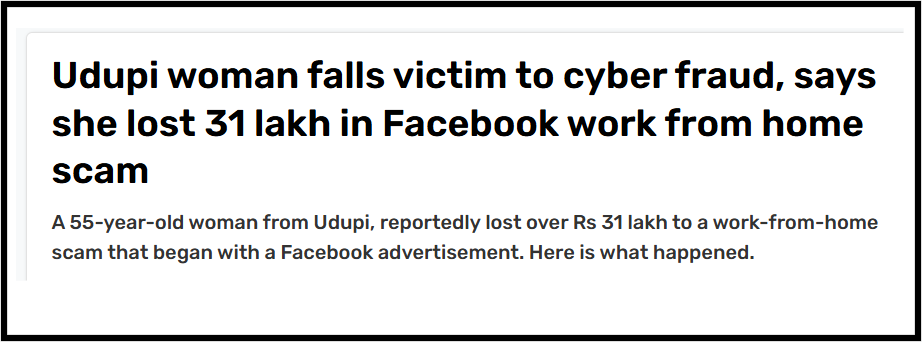
High salary promises with zero interviews. Some ask for an “application fee” or training charge before hiring – and vanish afterward.
I Got Scammed on Facebook What Can I do?
It happens in a heartbeat: a “too good to be true” marketplace deal, a friend’s hacked account asking for money, or an AI-powered investment “opportunity.”
You are not alone. So, what should you do the moment you realise something’s wrong?
Start by becoming your own investigator. Capture everything before it disappears. Take screenshots of chats, save payment receipts, note usernames, group names, wallet IDs, and every small detail matters.
Scammers are quick to delete accounts and messages, and once they’re gone, evidence becomes harder to recover.
Next, cut off the scammer completely. Block and report the account on Facebook immediately. If you’ve made any payments, alert your bank or payment provider without delay.
How to Report Facebook Scammers?
Realising you’ve been scammed can feel overwhelming, but the actions you take in the next few hours matter more than you think.
If you’ve encountered such Telegram scams, don’t freeze. Follow these steps calmly and quickly.
- Lock Down the Proof
Before anything else, start collecting evidence. Take screenshots of every conversation you had with the scammer—payment confirmations, UPI or wallet receipts, usernames, Telegram group links, profile photos, and even the promotional messages that convinced you to join.
- Cut Contact and Hit “Report”
Once you’ve secured your evidence, block the scammer immediately. This stops further manipulation or pressure. After blocking, use Telegram’s built-in Report option to flag the user, channel, or group as fraudulent.
Now it’s time to go official. File a complaint on the Indian Cyber Crime Portal or contact your nearest cyber crime police cell. Submit all your documented evidence along with a clear explanation of how the scam happened.
Need Help?
Now, the top-most question that strikes every victim is, ‘Is Recovery Possible’.
The short answer is- YES, it is, but it depends upon how quickly you act.
In India, banks sometimes assist with tracking UPI payments. Filing an FIR or cybercrime complaint with proof increases the chances of tracing the scammer. Even if money isn’t recovered, reporting helps prevent more victims.
If you want step-by-step support in filing your complaint, you can register with us.
We guide victims through documenting evidence and submitting official reports through proper legal channels.
How to Identify Scams on Facebook?
Now let’s talk about staying safe going forward, because prevention is just as important as recovery.
Locking your Facebook profile ensures that only friends can see your photos and timeline, making it much harder for scammers to clone your identity or misuse your images. Adding Two-Factor Authentication creates another powerful barrier.
Even if someone manages to steal your password, they won’t be able to log in without the verification code sent to your phone.
Scammers rely on panic, haste, and silence. When you respond with quick action, clear documentation, and strong security, you flip the power dynamic completely. Stay alert, stay protected, and remember, acting fast can make all the difference.
Warning Signs You Should Never Ignore
If you see any of the following, stop immediately and think twice:
- Urgency: “Send money now! It’s important.”
- Payment only via UPI, crypto, or gift cards
- Refusal to video call or verify identity
- Newly created profiles with very few photos or friends
- Requests for OTPs or personal bank details
- No proof of product or identity when asked
Conclusion
Facebook scams are no longer just poorly written emails; they are polished, AI-driven operations that target our trust and emotions. Whether it’s a “customs gift,” a fake job offer, or a QR code trick on Marketplace, the rule remains the same: Verify before you trust.
Your digital safety is a shared responsibility, by staying informed and reporting suspicious activity, you protect not just yourself but your entire social circle.
Being scammed doesn’t mean you were foolish – it means someone used manipulation and technology against you. What matters now is learning, staying alert, and helping others avoid the same trap.
Awareness is your biggest protection. Share this information – it might save someone’s hard-earned money.