

Quick Summary
A SEBI registered research analyst can run educational courses, but registration alone does not make a course worth your money. Registration covers research activity, not course delivery. So a “SEBI registered” tag on a trading course tells you the person is a qualified analyst, not that the course is good, or even that its contents stay inside the rules. The moment a course starts handing out live stock calls, it stops being pure education and has to follow SEBI’s research rules. This guide explains where that line sits, looks at a few well-known courses, and gives you a checklist to judge any of them before you pay.
A course advertisement promises to teach you trading, options strategies, or “wealth creation,” and somewhere in the pitch sits the phrase “SEBI registered.”
It is meant to reassure you. But it raises a fair question: does that registration actually make the course worth paying for, or is it being used to build trust it does not quite earn?
Registration and course quality are two different things.
Before you hand over a course fee that can run into tens of thousands, it is worth understanding exactly what a registered analyst is allowed to sell you, where the rules kick in, and how to tell a genuine education from a dressed-up sales funnel.
Can a SEBI Registered Research Analyst Run Courses?
This is the foundational question, and the answer is more nuanced than most course sellers admit.
SEBI’s rules for research analysts were written to govern research reports and stock recommendations.
They neither clearly authorise nor clearly ban a registered analyst from running educational programmes, and that silence is where the grey area lives.
The line SEBI cares about is the one between education and advice.
A course that teaches concepts, technical analysis, fundamental analysis, and how to read a balance sheet is broadly educational and does not by itself need RA registration.
But the moment a course hands out specific stock picks, model portfolios, or live “calls,” even inside a paid programme, it crosses into research or advisory activity that must follow every SEBI RA rule.
Plenty of courses blur exactly this line.
There is a second issue worth naming. An analyst who uses their SEBI registration as a trust badge to sell courses is stretching what that registration means.
Registration covers their research activity, not their teaching business. The two are legally separate, and conflating them can mislead students even when no single rule is technically broken.
Why Have These Courses Become So Popular?
Retail participation in Indian markets has grown fast, and with it the appetite to learn.
As more people trade equities, futures, options, and commodities, demand for market education has climbed.
Investors want to understand how technical analysis works, how professionals spot opportunities, what the real risks in F&O are, and how to manage portfolio risk.
That demand has drawn in traders, coaches, educators, and registered analysts, all offering programmes.
But the courses are not interchangeable.
Some are genuinely educational.
Others are built around a trading system or a personal brand, with very different value.
So each one deserves to be judged on its own, not waved through because it carries a registration or a big follower count.
A Look at Some Well-Known Courses
Registration tells you an analyst is qualified.
It says nothing about whether their course is right for you, and that comes down to what the course teaches, who it suits, and whether the price matches the substance.
Three programmes come up again and again in investor searches, and each represents a different style of course.
Seeing how each style tends to work is the fastest way to judge not just these three, but any course you come across.
Each has a full, detailed review of its own if you want the exact pricing, contents, and real user experiences.
1. Springpad Courses

Springpad is one of the first names people meet when searching for stock market education, and it represents the low-cost-workshop-into-upsell model.
The pattern is familiar once you know it: a heavily promoted introductory workshop at a tiny price, wrapped in a bundle of “instant bonuses” that make signing up feel almost free.
The workshop delivers some genuine value, but it also doubles as the entry point to a much pricier premium programme, which is the real product being sold.
That is not automatically a bad thing; plenty of legitimate education works this way.
The key is going in knowing the low price is the doorway, not the destination, and judging the premium programme on its own merits before paying for it.
The full pricing, what is actually inside the bonuses, and what attendees report is on our Springpad courses review.
2. Vibhor Varshney Course

The Vibhor Varshney Course represents the personal-brand model, where a well-followed market educator packages their own trading methods into paid modules and mentorship, and students buy partly for the system and partly for the person.
This format lives or dies on one thing: whether the instructor’s track record is real and independently verifiable.
In India, no rule forces an educator to prove their trading performance before charging for it, so curated winning screenshots are easy to show and much harder to trust.
With this style especially, how the educator presents past performance is worth scrutinising closely, because that is where the conduct questions tend to surface.
Before paying for any personal-brand course, that is the thing to pin down: provable results, not a highlight reel.
The course details, the specific compliance concerns raised, and what real users report are on our Vibhor Varshney course review.
3. Get Together Finance Course
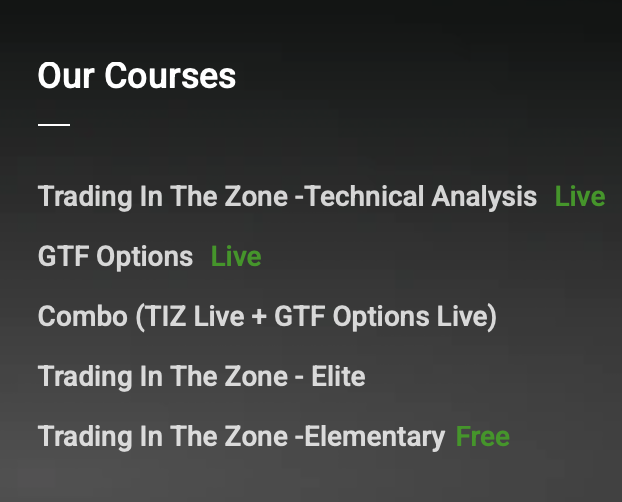
The Get Together Finance Course sits in the more conventional structured-curriculum camp, the kind of broad market-education programme aimed at investors who want to learn in an organised way.
With a course like this, the marketing tells you little.
What matters is the substance underneath: whether it is genuinely pitched at the level it claims, whether it teaches risk management rather than just entries, whether losses are discussed honestly, and whether it is transparent about what students actually achieve.
A course that is open about all four is a very different proposition from one that leans on promotional gloss.
Those are the questions that separate real education from a sales pitch, and our full assessment applies them on the Get Together Finance course review.
How to Judge Any RA Course Before You Pay?
Specific courses aside, a single checklist protects you regardless of the name or reputation attached to a programme.
Run any course through these four checks before paying, and you filter out most of the risk.
- Verify the registration is real and active: Search the instructor or entity by name or registration number, and confirm the registration is currently active, not expired.
- Get the full fee in writing upfront: Confirm the total before you pay, including any extra charges for WhatsApp groups, mentorship, or “advanced modules” that appear later.
- Ask directly whether it includes live stock calls: If the course gives specific buy or sell recommendations, those must comply with SEBI’s RA rules, have a proper research basis, include disclosures, and have no guaranteed-return claims.
- Read the refund policy before paying: Genuine education businesses put clear refund terms in writing. A vague “no refund” line on a high-fee course is a warning sign.
Above all, treat a course as a learning tool, not a profit guarantee.
Markets are dynamic, even professionals take losses, and no programme can change that.
Going in with that mindset is what keeps expectations realistic and disappointment rare.
Paid for a course that promised far more than it delivered?
We will look at what you were sold against what a registered analyst is actually allowed to do, review your paperwork, and help you raise a formal complaint if the conduct broke SEBI’s rules.
What to Do If a Course Broke the Rules?
One thing to be clear about first: this route works when the course is run by a SEBI-registered research analyst.
Because a registered analyst falls under SEBI’s oversight, their conduct, including how they sell and run a course, can be challenged through SEBI’s formal machinery.
If the operator is completely unregistered, the path is different, but for a registered analyst, you have real leverage, and you do not need a lawyer to use it.
So, if you paid for a course run by a registered analyst and believe the content, billing, or conduct crossed SEBI’s rules, especially if you were handed live calls that went wrong, start by preserving everything.
Save your payment receipts, the course agreement or landing-page screenshots, the instructor’s WhatsApp or Telegram messages, any stock calls you received, and records of losses on trades the course recommended.
Then raise it in writing with the analyst first, giving them a chance to resolve it. If that goes nowhere, the next step is SEBI SCORES complaint registration, where the matter is lodged formally.
From there, you can file complaint in SMART ODR, and take it to arbitration if it stays unresolved.
For the full route of filing a complaint and what each stage can realistically achieve, see our guide: SEBI research analyst complaint portal.
Conclusion
SEBI registered research analyst courses have boomed as more investors look for structured market education, and a registered analyst can generally run them.
But hold two things in your head at once.
Education and guaranteed trading success are not the same, and a registration on the poster does not certify the course behind it.
So before you pay, review the curriculum, understand the risks, read the refund policy, verify the registration, and keep your expectations realistic.
Good education can sharpen your decisions. No course can remove market risk or promise you profits.
Frequently Asked Questions
No. Registration is a regulatory authorisation for research activity. It says nothing about a course's quality, its profitability, or whether students end up satisfied. Judge the course on its content, not the badge.
Confirm the entity's registration is currently active, get all fees in writing before paying, and ask whether the course includes live stock calls. Look for independent reviews on Google or Reddit, not just testimonials on the seller's own page, and check the refund policy.
Only if the provider is SEBI registered as an analyst, and even then those calls must follow RA rules: a proper research basis with disclosures, no guaranteed-return claims, and fees collected only into the registered account.
Save payment receipts, emails, WhatsApp and Telegram messages, any research reports or stock calls, screenshots, and the promotional material that sold you the course. That record is what supports a complaint.
That depends far more on the curriculum, practical usefulness, risk-management teaching, transparency, and support than on the instructor's registration. Treat a course as an educational product, not a shortcut to profits, and judge it on those terms.





 Add us as a preferred source on Google »

