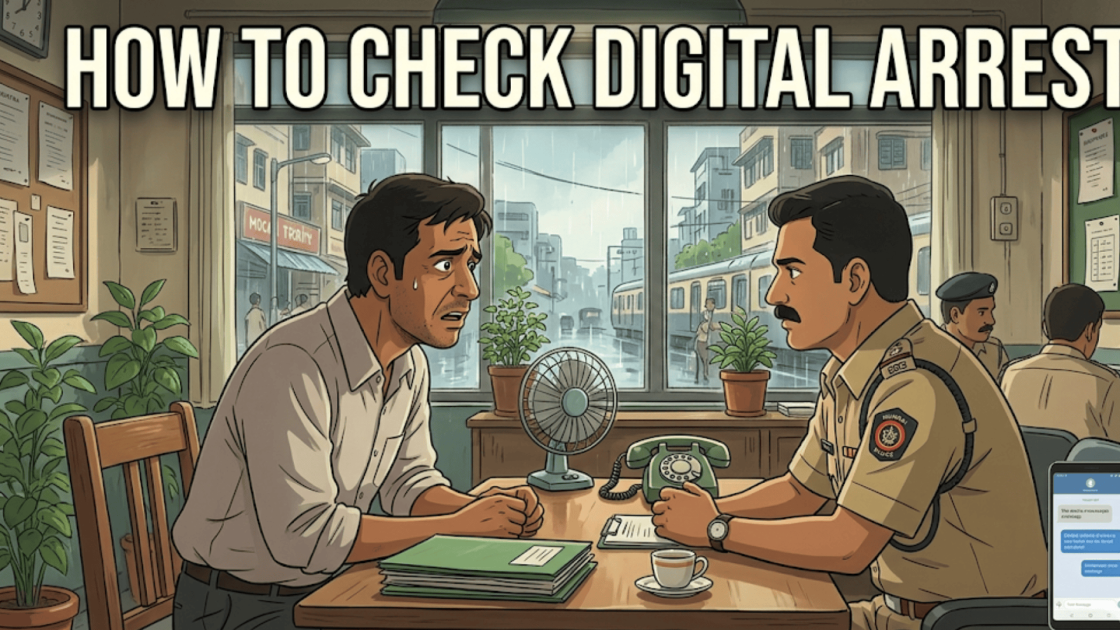
If you are someone who even remotely keeps up with the news and current affairs of the world, you might have heard of ‘digital arrest’ before.
It has become quite a common scam these days wherein fraudsters impersonate government officials to trick you into giving them money or some very sensitive information about yourself.
These scammers scare people using some very serious accusations against them, to the point that the person ends up isolating herself and complying with all of their demands.
The question that arises now is: how can you trust whether the person on the screen is a real officer or another fraud case in the making?
In this blog, we wish to tackle exactly that as we dive deeper into the signs you need to look out for and the steps you can take to protect yourself.
Warning Signs of a Digital Arrest Scam in India
First things first, you need to know if digital arrest is legal in India or not.
“Digital arrest” is not recognized or permitted under Indian law.
No law enforcement agency in India has the authority to detain, threaten, or “arrest” someone over a phone call, video call, or through any online medium.

Understanding the digital arrest modus operandi can help you recognise how these scammers operate.
So, if you do receive a call from someone claiming to be an official, chances are they are running a scam.
Look out for these red flags to know for sure whether or not you are being taken advantage of:
-
Forged Identity
The caller might claim to be from CBI, ED, TRAI, customs, or any government agency and says you are under “digital arrest”.
They will often create a sense of extreme urgency, telling you that you have committed a serious offence and must stay on the call or face immediate consequences.
-
Threats and Isolation
If they ask you to keep the call secret from family members or lawyers, it is a massive red flag.
Legitimate authorities never ask you to hide their contact from the people you trust and will always allow you time and access to legal counsel.
-
Asking for Bribes
Real government officials will not threaten you to send them money for them to “take care” of whatever they are threatening you with.
The pressure to transfer money immediately to “clear your name” or “release seized funds” is simply another near-certain sign of a scam.
-
Suspicious Activities
If the caller is urging you to go to some unsafe link, transfer money to a personal account or share OTPs, there is a high chance that he is a scammer.
In such situations, it is important to stay cautious, avoid clicking on suspicious links, and never share your personal or financial details.
How To Protect Yourself From a Digital Arrest Scam?
There are certain things that you should do to protect yourself from falling prey to these calls and to ensure your digital safety, such as:
1. Never Share Sensitive Financial Information Over a Call
No legitimate government body, bank, or regulatory authority will ever ask for your bank account details, OTP, or UPI PIN over the phone.
If anyone on a call is asking for this information, regardless of how “official” they sound, treat it as a scam immediately and end the call.
2. Be Extremely Careful About What You Install on Your Devices
Downloading applications from sources outside of official app stores like Google Play or the Apple App Store can give scammers remote access to everything on your device.
Once they are in, they can monitor your activity, steal your data, and even operate your device without your knowledge, so only install apps from verified, trusted sources.
When scammers send you a link or prompt you to download something, it is often the very first step in digital arrest scams.
3. Act Immediately If You Have Already Given Out Your Details
If you realise you have shared sensitive information with someone who turns out to be a scammer, do not wait.
Call your bank directly using the official number on their website or the back of your card, ask them to freeze your account, and block any pending or suspicious transactions before any damage is done.
4. Protect Your Personal Identity Documents
Your Aadhaar number, PAN card details, and home address are pieces of information that scammers can use to impersonate you or commit fraud in your name.
Never share these over a call with someone you cannot independently verify, no matter what reason they give you for needing them.
5. Always Verify the Identity of Anyone Claiming to Represent a Government Agency
If someone calls you claiming to be from the CBI, ED, TRAI, or any other official body, do not take their word for it.
Hang up and independently look up the official contact number of that agency through their verified government website, then call back to confirm whether the outreach was genuine.
Real officials will not have a problem with you doing this.
Recent Digital Arrest Cases in India
Digital arrest scams are not just ideas or rare incidents; they are actively taking place in many cities across India, impacting people from all walks of life.
Examining real-life cases gives a clearer picture of how these scams actually play out, and shows how even cautious individuals can get caught off guard.
1. Digital Arrest Scam in Karnataka
This case highlights one of Karnataka’s largest “digital arrest” scams, where an 81-year-old businessman from Belagavi lost ₹15.45 crore after being targeted by cybercriminals posing as CBI officials.
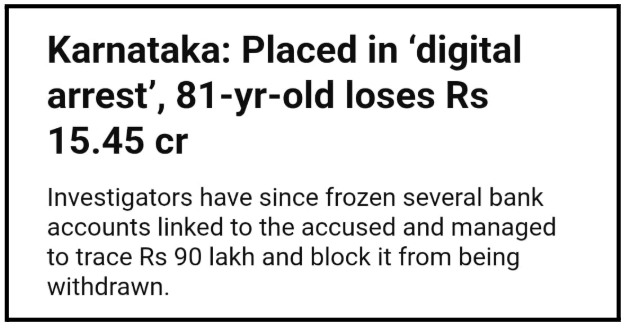
The fraud began with a WhatsApp call in early February, where the victim was falsely told his SIM cards and bank accounts were linked to a money laundering case.
Over several weeks, the scammers maintained constant contact, used fear tactics, and coerced him into transferring large sums in multiple transactions under the pretext of “verification.”
The victim eventually realized the fraud when communication stopped and filed a complaint.
Investigators have since frozen several accounts and managed to recover around ₹90 lakh, though most funds remain untraced.
The case raises serious concerns about how easily fear and impersonation of authorities can be used to manipulate victims, especially senior citizens.
2. Digital Arrest Scam in Gujarat
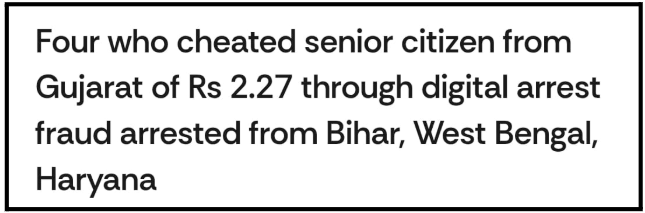
This case involves a senior citizen from Vadodara who was cheated of ₹2.27 crore through a “digital arrest” scam carried out over 14 days.
Fraudsters posed as officials from TRAI and the Mumbai Crime Branch, falsely accusing the victim of being involved in money laundering.
They kept him under constant contact through calls and video interactions, creating fear and preventing him from seeking help.
Under pressure, he transferred large sums into multiple bank accounts controlled by the gang.
Investigators later tracked the money trail across Bihar, Haryana, and West Bengal, revealing a well-organized interstate network.
Coordinated raids led to the arrest of four accused involved in handling and moving the funds.
The case highlights how structured these scams have become, using authority impersonation and psychological pressure to isolate victims and extract huge amounts of money.
3. Digital Arrest Scam in Uttar Pradesh
The case describes a shocking “digital arrest” scam where an elderly NRI couple in South Delhi lost over ₹14 crore after being manipulated for around 16 days.
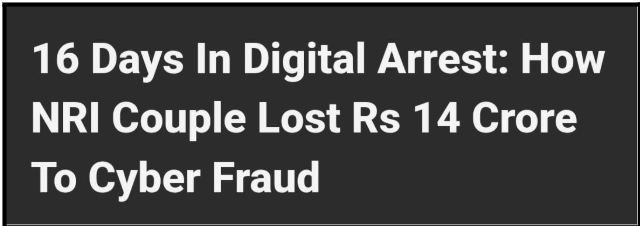
Fraudsters contacted them pretending to be officials from agencies like the police and CBI, claiming the couple was involved in a serious money laundering case.
To make the story believable, the scammers showed fake legal documents, staged video calls resembling court proceedings, and kept the couple under constant surveillance, isolating them from outside help.
Under intense fear and pressure, the victims transferred large sums of money, including savings and investments, into multiple “verification” accounts with false promises of refunds.
The scam was later uncovered, leading to arrests across multiple states and revealing a larger network involving international operators and mule accounts used to move the stolen funds.
How To Report A Digital Arrest?
If you have been targeted or have already lost money, reporting the incident immediately is critical to limit further damage.
Taking quick action through the right channels can also improve the chances of tracing the funds and initiating recovery.
You can follow the following steps to file a digital arrest complaint:
1.File a Cybercrime Complaint
The first thing you should do after realising you have been targeted by a digital arrest scam is to call the national cybercrime helpline.
You could also head to the Government of India’s official online platform for reporting cybercrimes.
Create an account, select the relevant category and fill in all the details of what happened, including dates, times, the phone numbers used by the scammer, and any amounts transferred.
2. Lodge an FIR at Your Nearest Police Station
If a significant amount of money has been lost or if you feel your safety is at risk, go to your nearest police station and file an FIR under the relevant sections of the Information Technology Act and the Bharatiya Nyaya Sanhita.
Make sure you carry printed copies of all your evidence. Ask for a copy of the FIR acknowledgement and keep it safely.
3. Notify Your Bank and Block All Affected Accounts
Contact your bank’s official customer care number immediately and request them to freeze any accounts that may have been compromised and block any transactions that are pending or suspicious.
If you transferred money to a fraudulent account, your bank may be able to flag it and initiate a recall request if you act quickly enough.
4. Report to the Reserve Bank of India If the Scam Involved Financial Fraud
If the scam involved someone impersonating bank officials or if your bank account was directly compromised, you can also file a complaint with the Reserve Bank of India through their official grievance portal.
The RBI has an ombudsman scheme specifically designed to address complaints related to banking and financial fraud, and escalating here can add additional regulatory pressure to your case.
5. Seek Legal Guidance
Consider consulting a lawyer who specialises in cybercrime, as they can advise you on the strength of your case, the legal remedies available to you, and whether any additional civil action is worth pursuing against the parties involved.
Need Help?
If you or someone close to you is dealing with this situation and finding it hard to figure out the next steps, don’t hesitate to get in touch with us.
Digital arrest scams can be extremely frightening, and timely action is crucial for digital arrest scam money recovery.
If you or someone you know has faced a digital arrest scam and unsure about the process, you can check out the details of reporting in our fraud response plan for guidance and support.
Conclusion
Digital arrest scams are becoming more sophisticated, making it harder to tell what is real and what is not.
They rely on fear, urgency, and isolation to manipulate victims into making quick decisions. Staying aware of the warning signs and taking simple precautions can make a big difference.
Always verify before you trust, and never act under pressure. If something feels off, it probably is.
Acting quickly and reporting the issue can also help limit the damage and prevent others from falling into the same trap.