ICICI Securities Limited is one of India’s established brokerage houses, offering equity, derivatives, mutual funds, IPO investments, and advisory services.
Backed by ICICI Bank Limited, the firm has a wide retail client base and a strong digital trading platform.
Given its scale of operations, thousands of transactions are executed daily across exchanges such as the National Stock Exchange of India and BSE Limited, under the supervision of the Securities and Exchange Board of India.
While most trading relationships function smoothly, disputes can arise in any large brokerage setup. Among the concerns occasionally raised by investors, unauthorised trading is one of the most serious.
What is Unauthorized Trading?
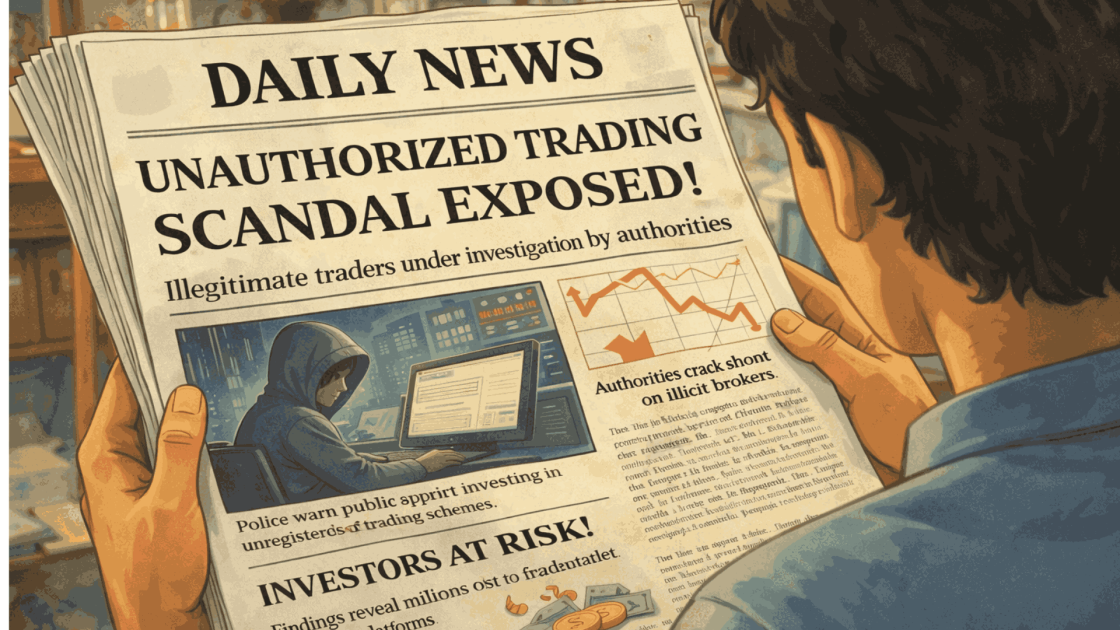
Unauthorised trading refers to situations where trades are executed without the client’s clear knowledge or approval, or where the scale of the transaction goes beyond what was agreed.
In accounts held with brokers such as ICICI Securities, concerns may arise when:
- Trades appear that the investor does not recall approving
- Position sizes are larger than discussed
- High-risk derivatives exposure is taken without proper opt-in
It is important to note that unauthorised trading is not defined by profit or loss. Even a profitable transaction can be unauthorised if proper consent was not obtained.
ICICI Securities Complaints
To better understand the scale and pattern of concerns, it is important to examine the complaint data over multiple financial years and see how unauthorised trading fits within the overall grievance landscape.
Summary table: overall Complaints, unauthorised trading complaints, % of unauthorised trading
|
Year |
No. of complaints | No. of complaints for unauthorised trading |
Percentage of unauthorised trading |
|
2021-22 |
475 | 70 |
14.74% |
|
2022-23 |
628 | 78 |
12.42% |
|
2023-24 |
971 | 99 |
10.19% |
|
2024-25 |
1067 | 215 |
20.14% |
|
2025-26 |
607 | 111 |
18.28% |
Looking at the numbers year by year, a few clear trends stand out.
First, the total number of complaints increased significantly from 475 in 2021–22 to a peak of 1067 in 2024–25, before dropping to 607 in 2025–26.
Second, unauthorised trading complaints also show a noticeable jump. They rose from 70 in 2021–22 to 215 in 2024–25, more than a threefold increase.
Even in 2025–26, the number remains relatively high at 111 compared to earlier years.
More importantly, the percentage of unauthorised trading complaints is significant. It ranged from 10.19% to 20.14% over the five-year period.
When such complaints form a double-digit percentage of total grievances, it signals the need for stronger communication, better documentation of client approvals, and tighter internal controls.
When Can Action Be Taken Against a Broker?
Action against a broker can be considered when there is evidence that trades were executed without clear client consent or beyond the scope of authority granted.
If a broker is unable to provide order logs, recorded confirmations, or documented approval for disputed transactions, it raises serious compliance concerns.
Ultimately, whether action is taken depends on documented evidence and may lead to regulatory scrutiny or unauthorised trading penalties.
Regulatory authorities such as the Securities and Exchange Board of India or the relevant stock exchange will assess contract notes, communication records, payment trails, and system-generated logs before determining if there has been a violation of applicable rules.
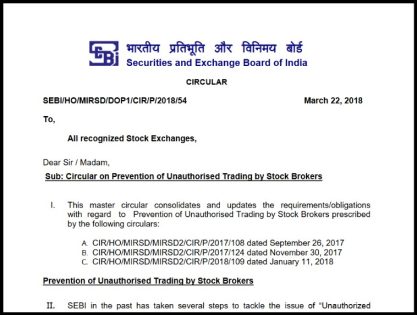
How to Report an Issue Against Stock Broker?
If you suspect irregular activity in your trading account, respond calmly and take structured steps. Proper documentation and timely action are crucial.
1. Review Contract Notes
Download all your contract notes and carefully check the trade date, time, quantity, price, order type, and brokerage charged.
These are official exchange records and form the primary evidence in any dispute.
2. Preserve Communication
Keep a record of all related emails, messages, call discussions, and payment confirmations.
These communications can help establish what instructions were given and whether proper consent was obtained.
3. Submit a Written Complaint
File a formal complaint with the broker’s grievance officer, clearly mentioning the trades in dispute and whether you had approved them.
If the issue is not resolved, you may escalate the matter through the exchange grievance mechanisms or approach the Securities and Exchange Board of India for further action.
4. File a Complaint in SCORES
If the issue remains unresolved, file a complaint through SEBI SCORES (SEBI Complaints Redress System) and upload all supporting documents.
Need Help?
Many investors struggle to determine whether what happened in their account qualifies as unauthorised trading or simply market loss, reach out to us.
We can help you with:
- Identifying whether a case qualifies as unauthorised trading.
- Analyse transaction history
- Organise documentation in proper sequence
- Identify potential compliance gaps
- Draft structured complaints
- Prepare submissions for regulatory forums
If you believe trades were executed without your informed approval or that exposure exceeded your understanding, seeking timely advice can help protect your rights.
Conclusion
In today’s fast-paced markets, trading happens within seconds. However, speed should never replace consent and transparency.
Brokers operate under regulatory approval, but that approval comes with strict obligations, including clear communication, documented authorisation, and transparent fee practices.
Allegations of unauthorised trading are serious because they directly impact investor trust and highlight the unauthorised trading risk investors may face.
Whether a particular case amounts to a regulatory violation depends on a detailed examination of order logs, contract notes, recorded confirmations, and communication trails.
For investors, the principle remains simple:
Know what is being traded in your account. Understand the risks. Ensure every transaction reflects your clear and informed approval.