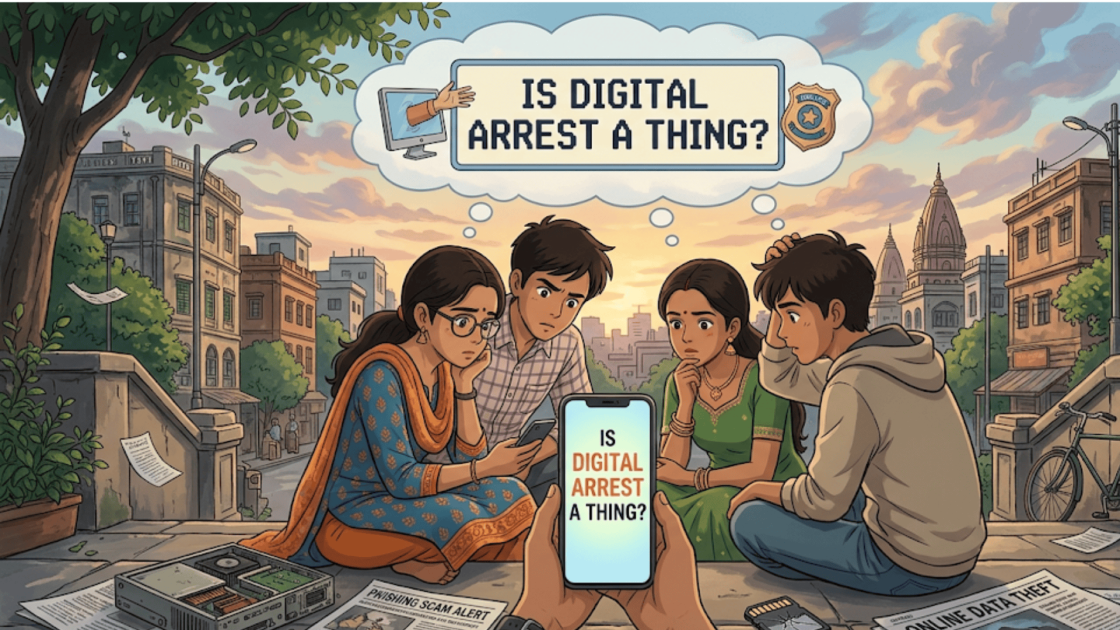
Digital Arrest seems to have become quite a common thing these days.
Random calls from ‘officers’ or some sort of ‘authoritative figure’ confronting you about the ‘crimes’ you have committed, creating doubt and worry in your head.
They show you fabricated evidence and all your information they have gathered about you and, naturally, you believe them.
Why wouldn’t you? If an official calls, it must be real, right? WRONG. Digital arrest is not a real thing.
Let’s explore it in this blog.
What Is Digital Arrest?
Digital Arrest is a scam used by cybercriminals pretending to be big shot officers to extort people for money or personal information.
They make you believe that they have all the power in the world and make blatant demands that they have no right making for your money.
It is a scary situation to be in. Here’s what you need to know:
How Does it Work?
The digital arrest modus operandi is pretty simple.
They gather all the information they can on you, sometimes even going as far as to find your Aadhaar Card and other private information, and then use these things against you.
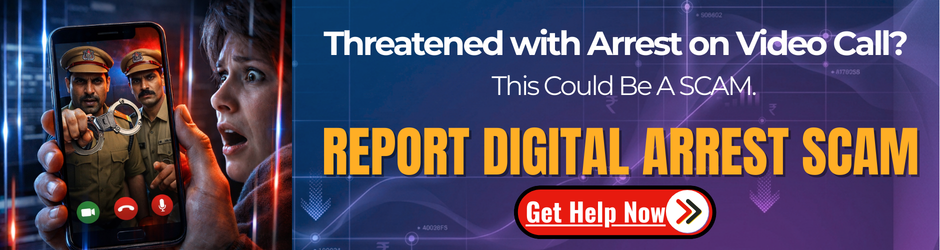
You get a call from an unknown unauthorised number threatening you with arrest for crimes you are not guilty of.
They feign authority, claim to be government officials and present you with things only you would know about yourself to make it all seem legit.
In many cases, this evolves into a classic impersonation scam.
They may pressure you to move the conversation to video platforms like Zoom, WhatsApp, or Skype, where they stage convincing setups, sometimes even using fake uniforms or official-looking backgrounds, to appear as legitimate authorities and gain your trust.
Once they convince you, they extort you, bringing up false claims and then demanding money to “take care” of the crime without any issues for you.
Is Digital Arrest Legal?
In the simplest words possible: no, of course not.
In India, digital arrest does not exist within our legal framework.
Many people ask, can police do digital arrest, but the reality is that no such concept exists under Indian law.
The Bharatiya Nyaya Sanhita (BNS) does not recognise any form of digital detention.
Genuine law enforcement agencies will never demand money or conduct investigations through threatening video calls.
This is purely a scam tactic designed to manipulate victims.
Digital Arrest Cases in India
Let us take a look at some real-life cases of digital arrest to see what actually happens:
1. Digital Arrest in Mumbai
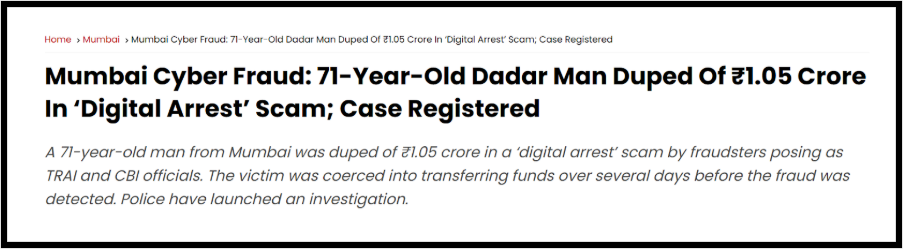
A 71-year-old retired man in Mumbai was cheated of around ₹1.05 crore in a “digital arrest” scam.
The scammers posed as officials from TRAI and the CBI, claiming that his Aadhaar-linked mobile number was being used for illegal activities.
They told him a case had been registered against him and that he could face serious legal consequences if he did not cooperate.
To make the story convincing, they shared fake documents and maintained constant contact, creating a sense of urgency and fear.
They instructed him to remain isolated and not discuss the matter with anyone, making him believe it was part of an official investigation.
Over several days, the pressure and manipulation led him to trust their instructions.
Believing he was following a legal process to clear his name, the man transferred large sums of money to accounts provided by the scammers.
It was only later that he realised he had been cheated. He then approached the police, who registered a case and launched an investigation into the fraud
2. Digital Arrest in Greater Noida
In this recent case from Greater Noida, a retired banker became the victim of a highly organised “digital arrest” scam.
The fraudsters pretended to be law enforcement officials and accused him of being involved in a serious financial crime.

They created a sense of urgency and fear, convincing him that he was under investigation and needed to cooperate immediately to avoid legal consequences.
Over nearly 48 hours, they kept him constantly engaged and isolated, making sure he didn’t contact anyone else.
Under this pressure, he followed their instructions step by step, believing it was part of an official process.
The scammers manipulated him into transferring his money into so-called “secure” accounts for verification.
By the end of the ordeal, around ₹1.29 crore had been drained from his accounts.
3. Digital Arrest in Hyderabad
A 69-year-old retired judge from Hyderabad also recently fell victim to a “digital arrest” scam and lost over ₹1 crore to fraudsters who posed as law enforcement officials.
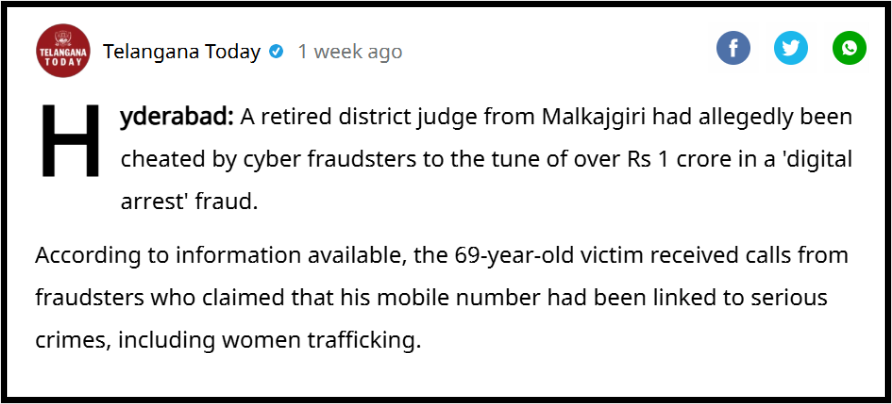
They contacted him, claiming that his mobile number was linked to serious criminal activities, including a case involving human trafficking.
Using fear and pressure, the scammers warned him of severe legal consequences if he did not cooperate immediately.
Believing the accusations and trusting their authority, he followed their instructions without questioning them.
They kept him engaged and under constant psychological pressure, preventing him from seeking advice or verifying the claims.
Over time, they convinced him that transferring money was necessary as part of an official verification process to clear his name.
To avoid arrest and resolve the issue quickly, he transferred a large sum to the accounts they provided.
It was only afterwards that he realised he had been deceived. He then approached the police, who registered a case and began investigating the scam.
How To Report Digital Arrest?
Here’s how you can protect yourself and respond effectively if you encounter a digital arrest scam:
-
Verify the Source Carefully
Always confirm the identity before trusting any authority. If someone claims to be an official, ask for their name, department, and contact details.
Do not rely on the information they provide directly; verify it through the official website or helpline of the organisation.
-
Be Cautious of Urgent Payment Demands
Urgency is a common tactic used to pressure victims into quick decisions. Scammers may demand immediate payments to “resolve” the issue.
No legitimate authority will ever ask for money over the phone or via online transfers.
-
Protect Your Personal Information
Sensitive information should never be shared without proper verification. Avoid sharing Aadhaar details, bank account information, OTPs, or passwords.
Such details can be misused to access your accounts and carry out financial fraud.
Taking quick action can help prevent further loss. If you receive such a call, report it through the Sanchar Saathi portal or cybercrime helpline.
You can also file a complaint on the National Cyber Crime Reporting Portal for further investigation.
Need Help?
Waiting until your bank account is drained is a risk you don’t have to take.
If you find yourself in the crosshairs of these criminals, knowing that you don’t have to face them alone is the first step toward reclaiming your security.
To secure your digital identity and financial future, you can check the details in our online fraud response plan.
Our specialised support system is built to stand between you and the perpetrators and help you in filing a digital arrest complaint.
Conclusion
Digital arrest scams are designed to create fear, urgency, and confusion but remembering one simple fact that can protect you: they are not real.
No legitimate authority will ever threaten you over a call or ask for money to resolve a case.
Victims should first learn how to check digital arrest claims and confirm their authenticity before proceeding with complaints or payments.
Staying calm, verifying information, and refusing to act under pressure can make all the difference.
When in doubt, pause, check, and speak to someone you trust, because awareness is your strongest defence.