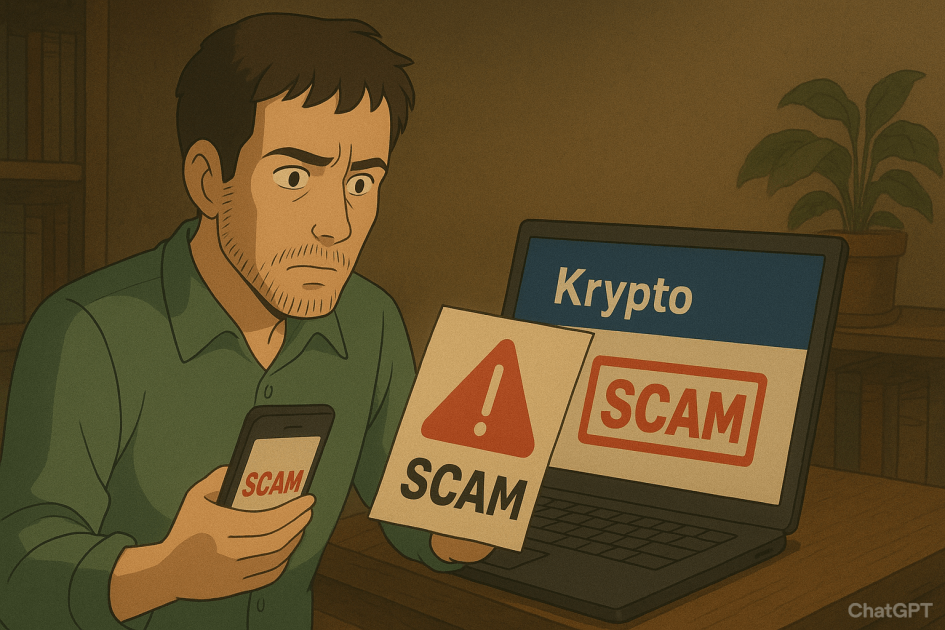
Cryptocurrency adoption in India has surged in recent years, and with it, a predictable shadow.
Scammers are exploiting the names of legitimate platforms to defraud unsuspecting investors.
One name currently caught in this crossfire is NEXUS, a real cryptocurrency exchange now being impersonated by fraudsters running fake investment schemes promising impossibly high returns.
This blog breaks down what the genuine NEXUS exchange is, how scammers are weaponising its name in India, how to report such fraud, and where victims can turn for help.
What Is The Real NEXUS Crypto Exchange?
NEXUS operates as a legitimate cryptocurrency trading platform, offering standard exchange services: buying, selling, and trading digital assets.
Like other established exchanges, it requires KYC verification, provides secure wallet infrastructure, and operates within the regulatory norms of the jurisdictions it serves.
The platform itself is not involved in the scams circulating in India.
The problem is that its brand recognition has made it an attractive disguise for criminals.
How Scammers Are Misusing the NEXUS Name in India?
The scam typically unfolds through social media, YouTube, Facebook, TikTok, and WhatsApp groups.
Here’s the anatomy of the fraud:
1. The Deepfake Celebrity Hook
Scammers create convincing deepfake videos featuring celebrities like Cristiano Ronaldo, Elon Musk, or popular Indian figures.
These videos announce a special Bitcoin giveaway or exclusive investment opportunity in partnership with a platform using the NEXUS name.

2. The Promo Code Trap
Victims are instructed to register on the fake site and enter a promo code, something like ‘CR7’ or ‘Tiktok11’, to receive free cryptocurrency.
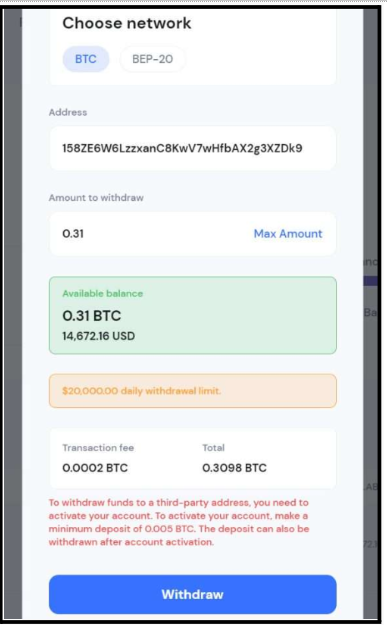
After entering the code, the dashboard shows a balance of around 0.31 BTC (roughly ₹25 lakh at current rates).
3. The Activation Deposit
When users attempt to withdraw their “free” crypto, they’re told they must first deposit a small amount (typically 0.005 BTC, around ₹40,000) to “activate” withdrawals.
This is the theft mechanism; once victims send real Bitcoin, it goes directly to the scammer’s wallet.
The platform then either blocks further access or disappears entirely.
Is NEXUS Crypto Exchange Safe?
The situation surrounding NEXUS in India is not entirely safe, not because the real exchange is fraudulent, but because scammers are actively misusing its name to deceive investors.
This creates a high-risk environment where even cautious users can be misled by convincing fake websites, deepfake endorsements, and seemingly legitimate dashboards.
The genuine NEXUS platform may offer standard crypto trading services, but the scams associated with its name follow a completely different pattern.
These fraudulent schemes rely on psychological manipulation, urgency, and the illusion of easy profits to trap victims.
Once money is transferred, there is typically no recovery, and the scammers often vanish or demand additional payments under false pretences.
For users in India, the key risk lies in distinguishing between the real platform and impersonators.
Fake domains, unofficial apps, and unsolicited investment offers are strong warning signs.
Any claim of guaranteed returns, free cryptocurrency through promo codes, or mandatory deposits for withdrawals should be treated as fraudulent.
How To Report Online Frauds in India?
If you’ve fallen victim to or spotted a suspicious scheme, reporting it serves two purposes: it creates a paper trail for potential recovery and helps authorities identify patterns to shut down operations.
1. File Cybercrime Complaint
File a complaint at India’s official portal for reporting cybercrimes, including financial fraud.
You’ll need to provide transaction details, screenshots, wallet addresses, and any communication with the scammers.
Make sure to file the complaint as soon as possible, as early reporting increases the chances of tracing and freezing funds.
2. Local Police Cyber Cell
Visit your nearest cybercrime police station with printed evidence.
Many states have dedicated economic offences wings handling crypto frauds in India.
Request an acknowledgement or FIR copy, as this document may be required for further legal or banking follow-ups.
3. Report Relevant Financial Authorities
While cryptocurrency isn’t regulated as legal tender in India, investment fraud falls under SEBI’s purview if it involves securities-like promises.
File complaints through their online portals.
Reporting to these regulators helps flag larger scam networks and can trigger broader investigations into fraudulent schemes.
4. The Exchange Itself
If scammers are impersonating a legitimate platform, report the fraudulent domains and social media accounts directly to the real company.
Most exchanges have abuse reporting mechanisms.
This helps the platform take down fake websites or accounts quickly, preventing others from falling victim to the same scam.
Need Help?
Navigating the aftermath of a crypto or impersonation scam is an overwhelming experience, often fueled by a mix of urgency and digital complexity.
When emotions are high, clear-thinking is your best asset, which is why we help you pivot from panic to a structured, effective recovery strategy.
If you suspect any such fraud, then we can help you.
You can check our impersonation fraud response plan to get more clarity on the next steps.
Conclusion
The NEXUS name being exploited in India represents a broader pattern: scammers hijacking legitimate brand credibility to manufacture trust.
The real exchange isn’t responsible for these crimes, but the confusion benefits no one except the criminals.
Protect yourself with scepticism. No legitimate investment offers guaranteed returns.
No real platform requires you to deposit money to withdraw money.
More importantly, no celebrity is giving away Bitcoin through WhatsApp links.
If something feels too good to be true in crypto, it almost certainly is.
Report suspicious activity, warn others in your network, and treat any unsolicited investment opportunity as hostile until proven otherwise.