
Quantum AI scam is sweeping across social media, luring everyday folks with promises of effortless riches through cutting-edge technology.
Imagine stumbling upon a slick video where tech titan Elon Musk or Finance Minister Nirmala Sitharaman urges you to jump into this revolutionary platform for guaranteed high returns.
It sounds like a golden ticket to financial freedom, doesn’t it?
But what if I told you this “Quantum AI scam” is nothing more than a cleverly disguised trap preying on your dreams of quick wealth?
Stick around as we uncover the truth behind the hype and arm you with the knowledge to spot and dodge these digital pitfalls.
What is Quantum AI?
Quantum AI trading platforms claim to blend artificial intelligence with quantum computing to revolutionise how people invest in cryptocurrencies, stocks, and forex markets.
It promises an automated system that scans vast amounts of market data in seconds, identifies profitable trends, and executes trades faster than any human trader could manage.
For beginners, the appeal lies in its user-friendly dashboard.
Users set their own risk level, deposit a small amount like ₹20,000, and let the bot do the heavy lifting while supposedly turning your investment into lakhs within weeks.
The process starts simple:
- You sign up on their flashy website
- Verify your details
- Fund an account through easy options like Google Pay or bank transfers tailored for Indian users
They boast top-notch security features such as encryption and multi-factor authentication to build trust, along with educational resources to make you feel empowered.

Have you ever wondered if such advanced tech is really accessible to regular investors like us?
In theory, it positions itself as a game-changer for busy professionals who want passive income without staring at charts all day.
Yet, as we’ll see, reality often diverges sharply from these glossy promises.
Quantum AI Scam in India
Numerous reports confirm that Quantum AI operates as a sophisticated fraudulent scheme designed to exploit trusting investors.
For anyone still questioning if Quantum AI is real or fake, the evidence points toward a dangerous “get-rich-quick” illusion.
Fraudsters behind it hijack the images and voices of high-profile figures like Elon Musk to create seemingly authentic endorsements, drawing people into fake trading sites.
These aren’t genuine clips but deepfake videos generated by AI tools.
If you look closely, lips look slightly off-sync and the dialogue promises unrealistic gains like $3,000 daily with minimal risk. This is a classic sign of manipulation.
In India, scammers have gone further by doctoring footage of respected names such as Infosys co-founder Narayana Murthy, his wife Sudha Murthy.
They even used deepfakes of Finance Minister Nirmala Sitharaman for promoting Quantum AI alongside platforms like Tradgrip Trading.
Ever paused to ask yourself why a billionaire like Musk or a public figure like Sitharaman would personally pitch an obscure app to strangers?
If the pitch feels overly perfect or too good to believe, it’s likely engineered to hook you emotionally before vanishing with your money.
Regulatory bodies worldwide, including Hong Kong’s SFC and the UK’s FCA, have flagged Quantum AI as unauthorized and warned against its operations.
Users frequently report fake dashboards showing phantom profits to encourage bigger deposits.
This is only for withdrawal requests to trigger demands for “taxes,” “fees,” or “upgrades” that drain accounts further.
This pattern isn’t isolated; it’s a global tactic in AI-hyped scams resurfacing on Facebook, Instagram, and YouTube ads targeting Indians.
The key takeaway? Always verify endorsements through official channels, like a quick Google or check on the celebrity’s verified social media, which will expose the scam.
Quantum AI Complaints
Real victim stories paint a heartbreaking picture of the Quantum AI scam’s impact, especially on vulnerable seniors across India.
While many people are still searching for whether Quantum AI is good or bad, the reality for those caught in its web is devastating.
Take the case of an 82-year-old gentleman from Kerala, referred to here as Mr. K.V. Ramakrishnan to protect his privacy, who shared his ordeal after losing over ₹38,000.
While browsing social media one afternoon, he encountered a persuasive ad featuring Finance Minister Nirmala Sitharaman apparently backing Quantum AI and a related trading service, complete with bold claims of assured profits.
Believing the endorsement from such a trusted figure, he transferred funds twice via Google Pay. The transactions were
- First ₹18,847 from his savings
- then another ₹19,200
He was excited about the potential windfall. What followed shattered that hope: when he sought a withdrawal or refund, the scammers insisted on an extra payment.
It was asked just to “unlock” his money, a tired ploy to extract even more from desperate victims.
In the end, his total loss stood at ₹38,047, leaving him not just financially strained but deeply shaken by the betrayal.
Does this sound familiar, or have you brushed off similar ads thinking “it won’t happen to me”?
This isn’t a one-off; forums like Reddit and Quora overflow with similar complaints from Indian users who saw initial “profits” evaporate upon withdrawal attempts.
Some reviews point to repeated unsolicited phone calls, contact from multiple numbers, and pressure-driven follow-ups, which can feel intrusive and overwhelming for users.

Some individuals also describe being asked for sensitive documents like passports or driving licenses during the so-called verification process.
Once given, withdrawals reportedly became difficult or impossible.
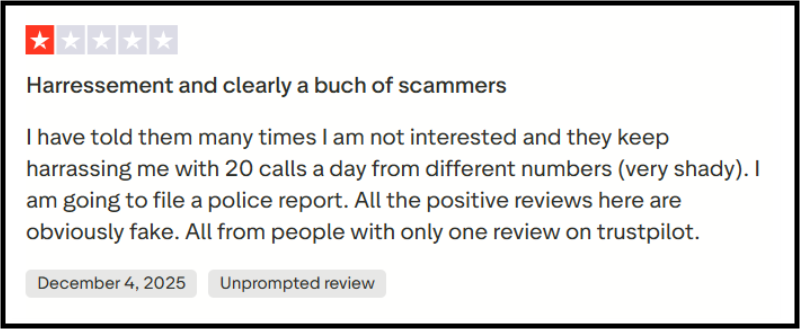
These screenshots reflect the kind of user experiences that often surface after people spend some time engaging with Quantum AI branded platforms.
How to Stay Safe From Quantum AI Scam?
Before depositing money, take a pause and check these points carefully:
- Verify registration: Search the SEBI website to confirm whether the platform or its operators are registered.
- Avoid guaranteed return claims: No legitimate market system can promise fixed or risk-free profits.
- Check ownership transparency: Look for real company names, office addresses, and verifiable contact details.
- Be cautious with celebrity associations: Many ads misuse names or images without permission.
- Test withdrawals early: If you proceed, start with small amounts and attempt withdrawals before adding more funds.
- Never share OTPs or remote access: Genuine platforms do not ask for screen access or banking credentials.
How to Report a Quantum AI Scam?
If you have been a victim of a quantum AI scam, you can still recover your money. All you need to do is follow some simple steps. Here’s what you can do:
- File a complaint in Cyber Crimeor local cybercrime cell.
- Inform your bank immediately, request stop payment or report fraud.
- Report the platform to SEBI or other regulators and provide screenshots, chat logs, and payment receipts.
- Preserve all evidence screenshots, call recordings, chat transcripts.
- Warn others if you found the ad on social media, report it there so they can block/remove it.
Need Help?
We understand that losing money can be frustrating. But if you have the right team by your side, the recovery process becomes much easier. If you want any help, you can register your complaint with us.
Our team will personally guide you through the complaint process, help you collect valid proof, and ensure your case is properly filed online.
Conclusion
Quantum AI as a concept, is real and powerful. But its use as a marketing label for instant profit platforms deserves careful scrutiny.
When technology sounds complex and profits sound effortless, slowing down is often the smartest move.
Some users may have smooth experiences. Others may not. The difference usually lies in how much verification is done before trusting the promise.
Staying informed, asking questions, and understanding the risks does not mean rejecting innovation; it means engaging with it responsibly.