

Quick Summary
A research analyst firm used past performance screenshots to induce Mohit Bhardwaj into subscribing, then ran an uncapped 40 percent profit sharing model well beyond SEBI’s fee ceiling. He paid roughly ₹3,30,000 across multiple transactions with no invoices ever issued. When he raised concerns and mentioned SEBI, a representative told him on a recorded call not to give SEBI threats. We sent a legal notice anchored in that statement and escalated through SEBI’s Smart ODR platform, recovering ₹1,50,000 for him.
Mohit Bhardwaj (name changed) is from Meerut, Uttar Pradesh. He mentioned SEBI on a call once, just to explain why he was unhappy.
What he heard back was the moment everything about this firm became clear. A representative told him, plainly, not to threaten them with the regulator.
That single sentence, recorded on the call itself, ended up carrying more weight than almost anything else in this case.
How an Uncapped Profit-Sharing Structure Exploited the Client?
Mohit’s relationship with a firm registered as a Research Analyst began the way many do, with screenshots of past trading profits sent before he had paid anything at all, presented as proof of the firm’s ability to deliver consistent returns.
Early sessions did produce genuine profits, and the firm took forty percent of every one of them as its fee.
On a recorded call, a representative openly acknowledged the scale involved, describing lakh-level profits being generated and shared under this exact arrangement.
Why Uncapped Profit Sharing Breaches SEBI Guidelines?
SEBI caps annual research analyst fees at ₹1,51,000 per client family, a limit that applies regardless of how a fee is labelled or structured.
A model taking forty percent of every profitable session, with no annual reference point and no ceiling built in anywhere, is designed to blow past that cap the moment profits reach any meaningful scale across a few weeks of trading.
Calling it a profit share rather than a fee does not change what it actually is: payment for research services rendered, and the annual limit applies to it the same way.
Anyone charged under a similar uncapped percentage arrangement can file a complaint against SEBI registered research analyst, since comparing the total collected against the published annual ceiling is often a simple, decisive calculation.
Lack of Transparency: ₹3,30,000 Collected Without Invoices
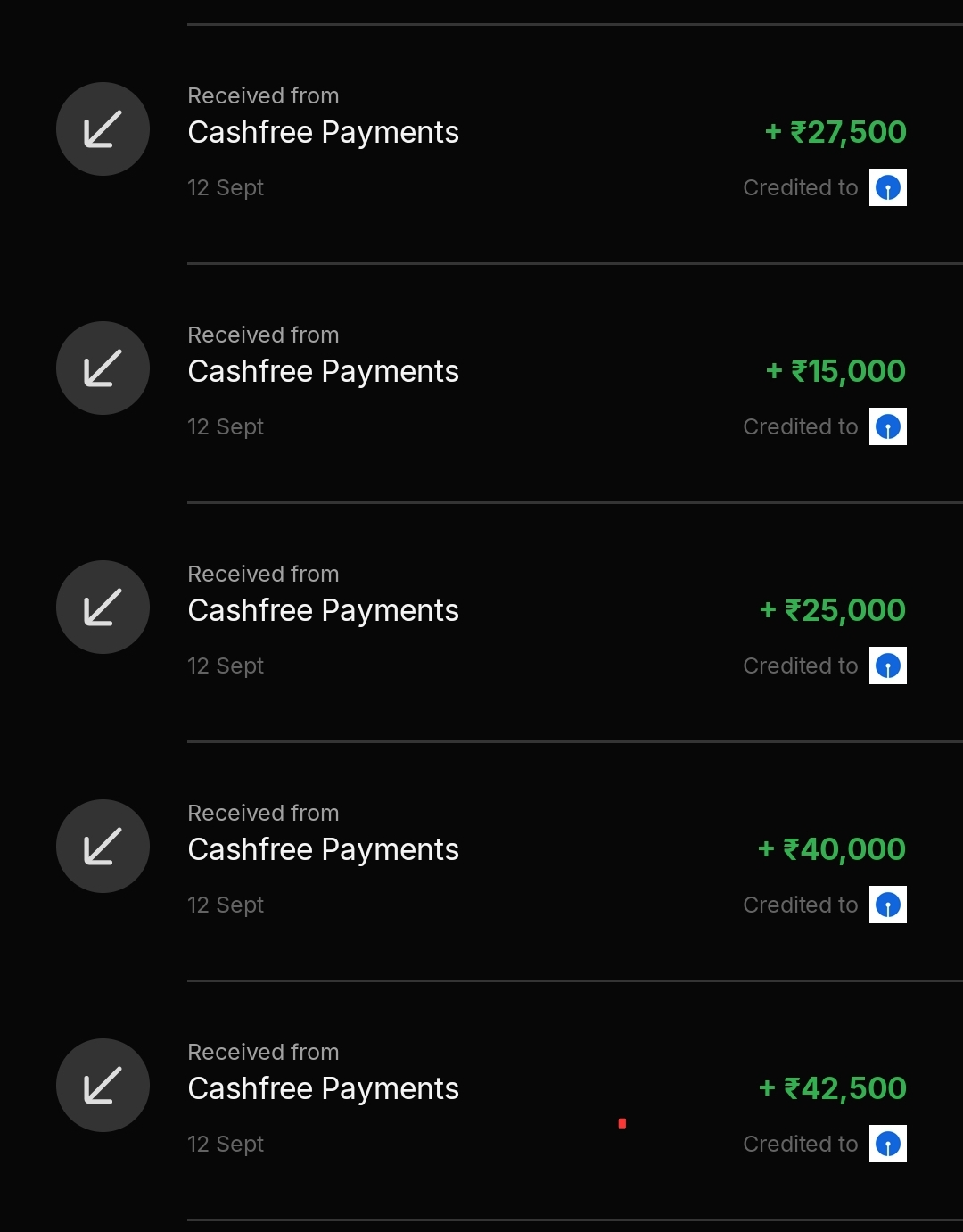
Across June and July 2026, Mohit paid a total of approximately ₹3,30,000 to the firm across multiple transactions, ranging from a few thousand rupees to a single payment of a full lakh.
Not one of these payments was ever accompanied by a GST tax invoice.
No research analyst agreement, no Most Important Terms and Conditions, and no risk disclosure document was ever provided before any service was rendered or any fee collected.
He Said SEBI. They Told Him Not To.
When Mohit’s losses mounted, and he raised his concerns, mentioning SEBI as part of explaining his frustration, the response on a recorded call was direct: he was told not to give SEBI threats, and that things were fine as they were.
An investor’s right to raise a complaint with SEBI is a statutory right, not a threat to be waved away.
A representative responding to a client’s mention of the regulator by discouraging that exact avenue is not a minor lapse in customer service.
It is an attempt to suppress a legitimate regulatory grievance, captured in the client’s own recording of the call.
How We Turned a Recorded Warning Into the Center of the Case?
The firm’s own recorded response to Mohit’s mention of SEBI became one of the most useful pieces of evidence available, since it spoke directly to intent rather than requiring inference from surrounding circumstances.
Step One: We Transcribed the Regulatory Suppression Statement Precisely
The exact words used to discourage Mohit’s reference to SEBI were transcribed directly from the recording, turning a single tense moment on a call into a documented, word-for-word violation.
Step Two: We Calculated the Fee Cap Breach Against the Total Collected
The full ₹3,30,000 collected was measured against the published annual ceiling, showing clearly how far the uncapped profit sharing structure had exceeded it.
Step Three: We Compiled the Past Performance Screenshots as Pre-Subscription Inducement
The screenshots sent before Mohit ever paid anything were documented specifically as inducement material, since using past performance to secure a subscription is prohibited regardless of how the trades later performed.
Step Four: We Catalogued Every Payment Against the Missing Invoices
Each of the multiple UPI payments was listed against the complete absence of any corresponding invoice, establishing a clean, independent transparency violation running through the entire fee history.
Step Five: We Sent a Legal Notice Anchored in the Recorded Statement
Our notice placed the regulator suppression statement at the center of the complaint, alongside the fee cap breach and the missing documentation, giving the firm a clear deadline to respond to all of it together.
Step Six: We Escalated Through SEBI’s Smart ODR Platform
When the deadline passed without resolution, we moved the matter into Smart ODR, carrying the recorded statement, the fee calculations, and the payment history forward as the core of the case.
Through this process, the matter was resolved with a recovery of ₹1,50,000.
Told Not to Mention SEBI When You Raised a Concern? Our Team Can Help
Mohit’s case worked because one recorded sentence captured exactly what the firm thought about its own accountability.
If something similar has been said to you, preserve that recording exactly as it is, today. Register with us and we will take it from there.
Conclusion
A firm that tells a client not to mention the regulator has told you, in that single sentence, exactly how it views accountability.
Mohit’s case shows why a moment like this, however brief, deserves to be preserved and placed at the center of a complaint rather than treated as an unpleasant but incidental detail.
An uncapped profit-sharing structure and a complete absence of invoices already build a strong case on their own, but a recorded attempt to discourage a client from exercising a statutory right adds a dimension no firm can easily argue its way around.
Report. Recover. Stay Fraud Free.
Yes. Filing a complaint with SEBI is a statutory right, and any attempt to suppress or discourage that right is treated as its own serious conduct issue, separate from the underlying fee dispute. No. Regardless of how a payment is described, if it is consideration for research services rendered, it falls under the same annual ceiling that applies to any other research analyst fee. No. Using historical profit examples to induce a paid subscription is specifically prohibited, whether shared before or after payment. Keep every payment confirmation you have. The absence of invoices across a documented payment history is itself a clear, independent violation. Significantly. A precise, word for word recorded statement is often harder for a firm to dispute or explain away than a general account of how a relationship went wrong.Frequently Asked Questions





 Add us as a preferred source on Google »

