

Quick Summary
Vikram Chauhan (name changed) paid for advisory services that were billed under two entirely different SEBI registration numbers within the same year. His claim reached 2,76,999. The same team ran both entities, using the switch to bypass questions about repeated fee collection. Our team recovered 80,000, a 28.9 percent share.
Vikram (name changed) joined a SEBI-registered research analyst service in early 2025 and paid an initial fee of ₹1,20,000 for a six-month package under one entity.
When the six months ended, the same representatives contacted him again, this time under a different firm name with its own separate SEBI registration. He was told the new entity offered better rates and features.
He paid a further ₹1,56,999 to the second entity, unaware at the time that the two firms shared the same office address, the same phone numbers, and largely the same staff handling his calls.
Vikram later tried to raise a complaint about service quality; he found the two entities treated his history as unrelated, with the second firm denying any connection to issues raised under the first.
This pattern is easy to miss because each entity holds a genuine, valid SEBI registration on paper. The switch only becomes visible once a client compares contact details across both periods closely.
Vikram had saved his onboarding messages from both signups, which turned out to reference the same support number and the same person introducing herself by the same first name each time.
Operating client relationships across two separate registrations to avoid continuity of complaints and service obligations undermines the purpose of SEBI registration.
It also makes it harder for a client to track their full payment history against one accountable entity.
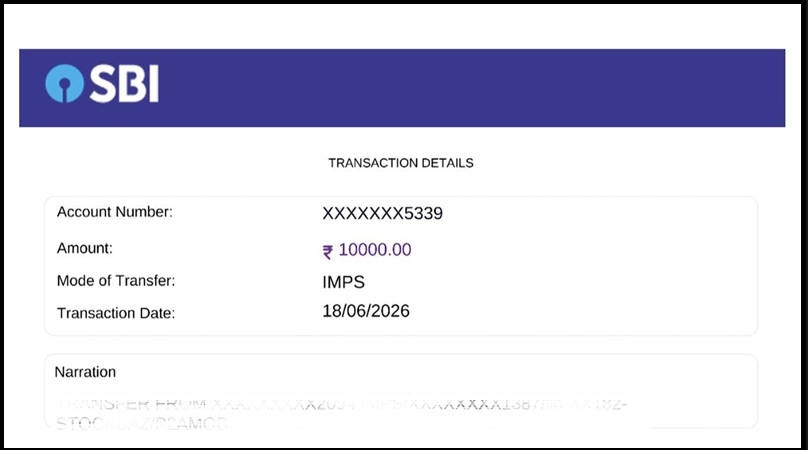
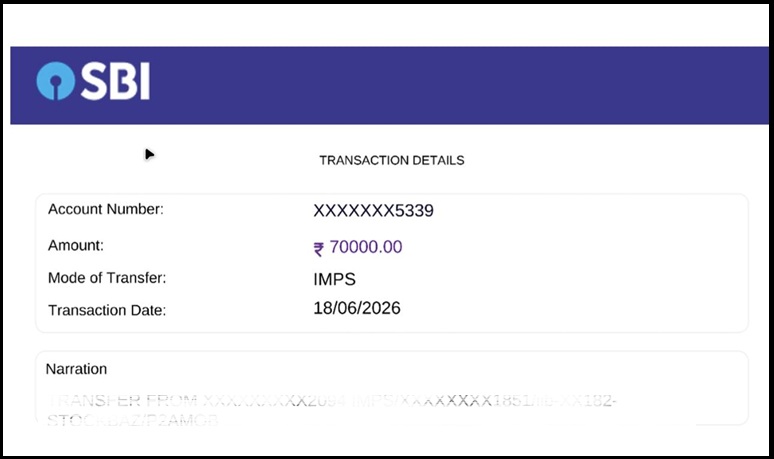
Our Recovery Strategy: How We Linked Both Entities
We began by comparing the registration certificates of both entities against the contact details Vikram had used throughout the relationship.
Step 1: Uncovering Overlapping Contact & Address Details
We matched the office address, phone numbers, and staff names across both entities using invoices and call records from each period.
Step 2: Establishing a Single Continuous Relationship
We treated the two payments as a single continuous relationship rather than two separate engagements, based on the shared operational evidence.
Step 3: Framing the Dual Registrations as Regulatory Evasion
We argued the entity switch functioned to reset accountability and obscure the client’s continuous complaint history across a single underlying operation.
Step 4: Joint Escaped Complaint via SEBI SCORES
We filed a SEBI SCORES complaint named both registration numbers, supported by the address and contact overlap evidence tying them together.
Both entities initially argued they were legally separate firms with no obligation tied to each other’s client history.
We presented the shared contact details and staff overlap to show the separation was structural on paper only.
The Result: Joint Settlement & ₹80,000 Recovered
Once the shared operational evidence was reviewed, the entities agreed to a joint settlement. Vikram recovered ₹80,000 of his ₹2,76,999 claim, a 28.9 percent share.
The lower recovery reflects the complexity of the two-entity structure and the time taken to establish the connection. The case resolved within eighteen weeks.
Suspect You Were Charged Twice by the Same Advisory Team?
If you were directed to switch entities or pay a secondary fee under a different firm name, your case might involve duplicate registrations.
Our team analyzes shared contact numbers, payment receipts, and address trails to link related entities and build a unified recovery claim.
Conclusion
Two valid registrations do not always mean two separate firms. Shared staff, numbers, and addresses often tell the real story behind the paperwork.
Compare the contact details across every renewal or switch you have been asked to make. A repeated pattern is easy to spot once you look for it.
Where the entity structure itself is in question, our team also handles general complaints against SEBI intermediaries to cover the full relationship.
Report. Recover. Stay Fraud Free.
Frequently Asked Questions
Check the office address, phone numbers, and staff names on invoices and calls. Overlapping details across two firms are a strong signal.
It should not. If the underlying team and operations are the same, a complaint can still cover the full relationship across both entities.
Establishing the connection between two separate registrations takes more evidence gathering than a single entity fee dispute, which extends the timeline.
Even indirect exposure through shared staff or contact details can matter, so it is worth having our team review the full picture.





 Add us as a preferred source on Google »

