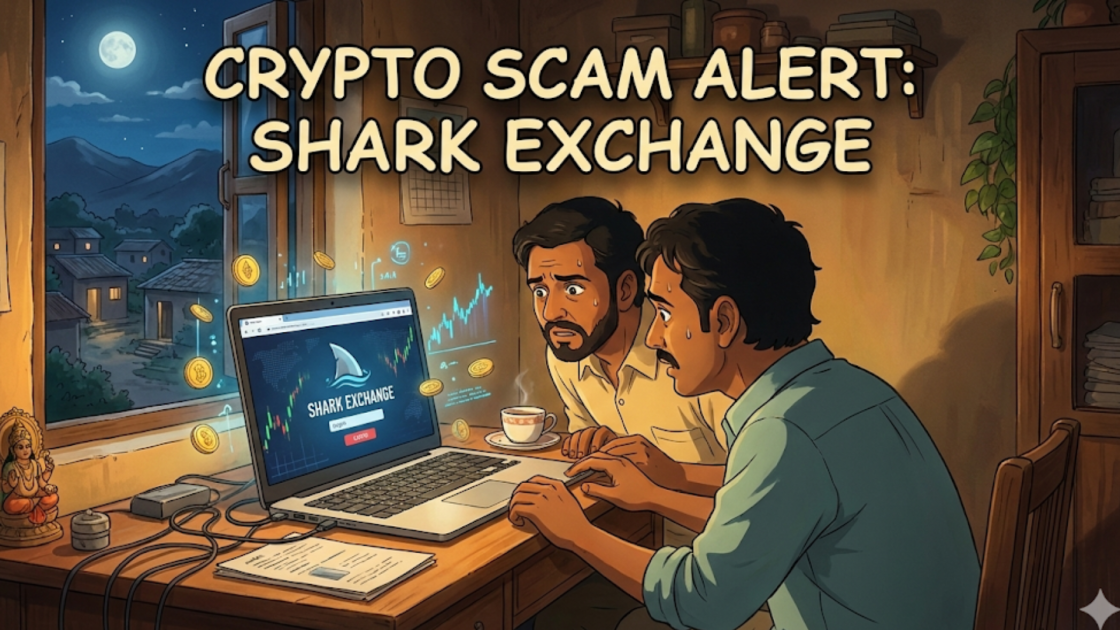
When users search for “Shark Exchange login issues,” it usually isn’t out of curiosity. It’s because something didn’t work when it mattered.
For crypto trading platforms, login access is not just a technical step. It’s the gateway to funds, open positions, and risk exposure. If a user cannot log in during market volatility, even a short disruption can translate into real financial loss.
Shark Exchange Login Process
Shark Exchange uses a standard account-based login system. Users are expected to:
- Create an account
- Complete identity verification (KYC)
- Log in using registered credentials
- Access funds and place derivative trades
Like most crypto platforms, login access is tied directly to:
- Wallet visibility
- Open futures or options positions
- Ability to exit or manage trades
This means any login interruption carries financial consequences, not just inconvenience.
Should You Login into Shark Exchange?
As of now, no verified mainstream news reports are confirming systemic login failures specific to Shark Exchange.
However, user discussions and broader crypto-platform patterns show recurring issues that often get labelled as “login problems.”
These include:
1. Login Fails After Verification or Compliance Checks
Crypto platforms often restrict access temporarily when:
- KYC documents are under review
- Compliance flags are triggered
- Additional information is requested
From a user’s perspective, this appears as a login block, even though it is technically an account hold.
2. OTP or Authentication Delays
Users frequently report:
- OTPs arriving late
- Authentication timing out
- Multiple failed login attempts leading to temporary lockouts
In volatile markets, even a short delay can feel catastrophic.
3. Login Works, but Dashboard Does Not Load
Another common complaint across crypto platforms:
- Login succeeds
- Dashboard or wallet fails to load
- The trading interface freezes or shows errors
This creates confusion, as users are “logged in” but cannot act.
4. Sudden Access Issues During High Volatility
Across the crypto industry, users have repeatedly reported access issues during:
- Sharp market crashes
- Sudden price spikes
- Heavy trading volume
These moments are exactly when users most need access.

Is Shark Exchange Legal in India?
When considering the reliability of newer trading platforms, the question of whether Shark Exchange is legal in India or not is central to your security.
Shark Exchange is a cryptocurrency derivatives platform that markets itself as an FIU-registered exchange (Financial Intelligence Unit – India), primarily focusing on Futures and Options (F&O) for virtual digital assets.
While it is not a “fake” platform in the sense of a non-functional website, being “legal” in the Indian context is a nuanced status.
Under the current regulatory framework, any crypto exchange operating in India must comply with PMLA (Prevention of Money Laundering Act) guidelines and register with the FIU.
However, unlike traditional stock brokers, crypto exchanges are not yet regulated by SEBI.
Shark Exchange Safe or Not?
Most crypto traders do not just log in to “check balances”. They log in to exit risky positions, prevent liquidation, withdraw funds and respond to sudden price movements.
When login fails, users fear:
- Funds being stuck
- Positions being manipulated
- Loss of control over their own money
This fear is not irrational. Indian crypto history shows why.
Real User Experiences
While not about Shark Exchange specifically, Indian news has documented how login or access disruptions on crypto platforms have impacted users.
WazirX: Platform Access Disruptions After Security Breach
In 2024, one of India’s most well-known crypto exchanges faced a major security incident. Following the breach, users experienced:
- Restricted access
- Withdrawal halts
- Temporary disruption of services
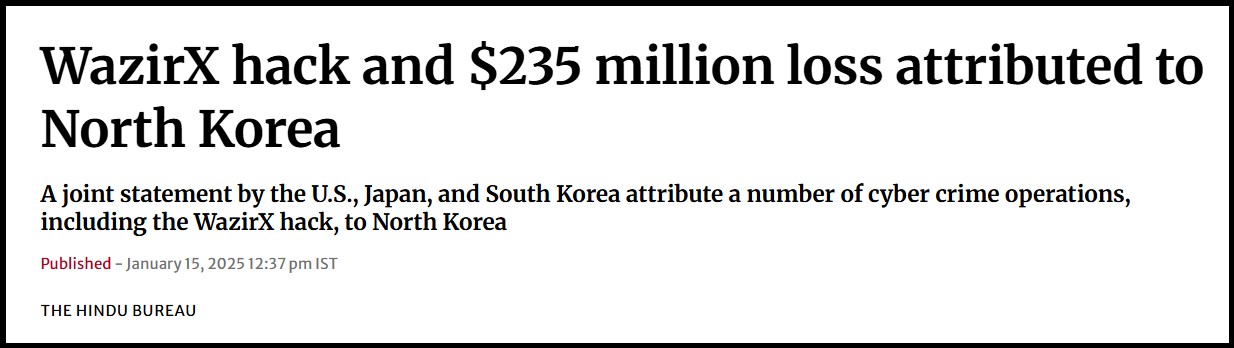
Even though the platform was established, users were unable to access funds normally during the crisis.
Why This Matters
If large, well-known platforms can face access disruptions, newer or derivative-focused platforms carry even higher operational risk.
Is a Login Issue Always a Scam?
It is important to distinguish between standard technical friction and actual misconduct.
A login issue does not automatically mean fraud; sometimes market-driven volatility, routine maintenance, or compliance holds can temporarily lock an account.
However, when these access problems are paired with a total lack of communication, they become a major red flag that mimics how crypto scams work.
In many digital asset scams, “technical issues” are used as a deliberate smokescreen to prevent users from withdrawing their funds while the platform operators vanish.
Transparency and responsiveness matter more than perfection. A legitimate platform will provide clear timelines for a fix, whereas a scam will offer vague excuses or demand “activation fees” to restore your access.
How To Report Shark Exchange?
Need Help?
You’re not alone if you’re unsure about how to continue or where to report.
At this point, many users feel stuck, especially when dealing with the complexities of digital assets.
If you have been targeted by a scam, the most critical step is filing a crypto fraud complaint in India through the proper legal channels immediately.
Our goal is to offer a step-by-step explanation of the necessary documents—such as transaction hashes, wallet addresses, and chat screenshots- to ensure your guidance is free from stress or anxiety.
Conclusion
There is no verified evidence at present that Shark Exchange suffers from widespread login failures. However, crypto trading platforms, especially those offering derivatives, operate in a high-risk environment where login access is directly tied to financial outcomes.
Users searching for “Shark Exchange login issues” are not being paranoid. They are responding to a real concern shared across the crypto ecosystem: loss of access equals loss of control.
Whether the issue is technical, compliance-related, or market-driven, the safest approach is caution, documentation, and never trading money you cannot afford to lose.