
Welcome to the digital age of investing, where trading apps are just a tap away and market access has never been easier. Unfortunately, this same convenience has also armed cyber-criminals with powerful new tools.
Today’s scams aren’t loud or obvious. They’re polished, persuasive, and carefully designed to look like legitimate investment platforms.
One such name quietly making rounds in online fraud circles is the TPG MF Application. On the surface, it presents itself as a sophisticated, tech-driven investment opportunity.
Underneath, it follows a familiar and dangerous pattern. Psychological manipulation wrapped in the language of smart investing and exclusive access.
In this blog, we’ll unpack what the TPG MF Application really is, reveal how the scam operates behind the scenes, and most importantly, show you how to protect yourself.
And if you or someone you know has already been caught in this trap, we’ll also explore what you can do next. Because awareness isn’t just power, it’s your first line of defense.
TPG MF Review
To really spot the deception, let’s start with the name that’s being cleverly hijacked.
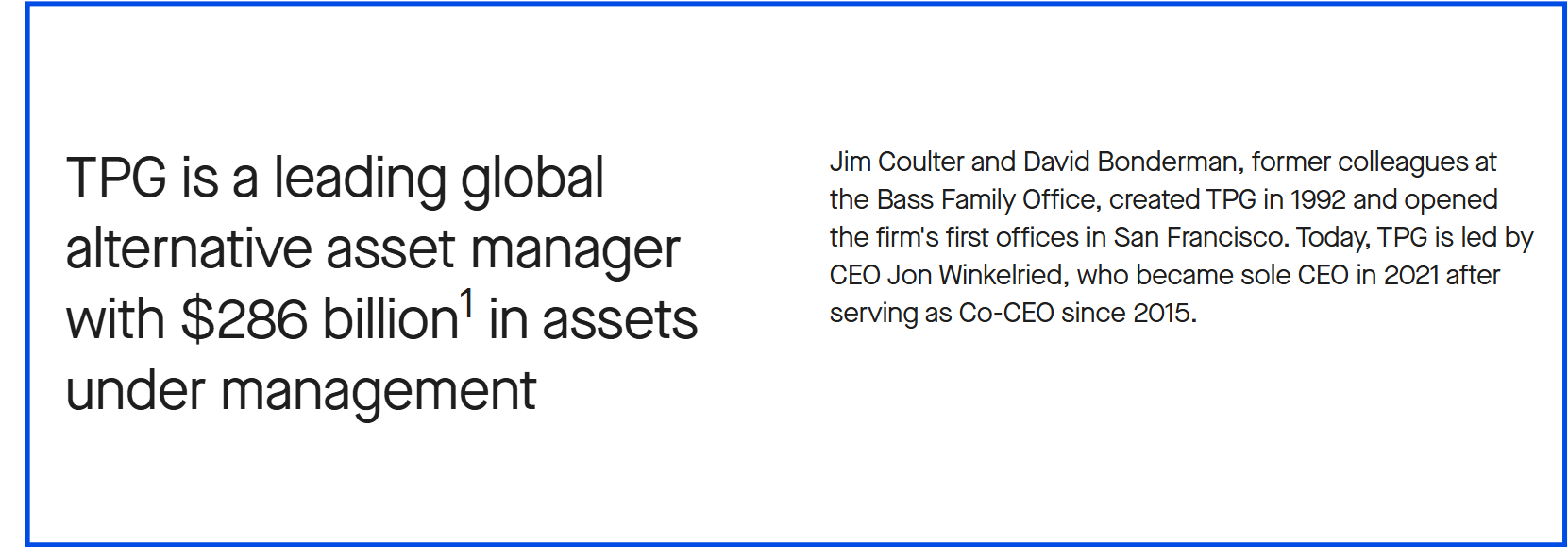
TPG Capital, earlier known as Texas Pacific Group, isn’t some obscure finance outfit.
It’s a global heavyweight in the investment world. Headquartered in Fort Worth and San Francisco, TPG manages nearly $286 billion in assets spanning private equity, real estate, and credit.
This is the kind of firm that moves markets, not one that slides into your DMs.

Now comes the tricky part. The so-called “TPG MF Application.” That tiny “MF” isn’t random. It’s most likely a deliberate add-on designed to sound official and familiar, maybe suggesting Mutual Funds or Market Focus.
For an unsuspecting investor, it feels legitimate enough to lower their guard. And that’s exactly the point.
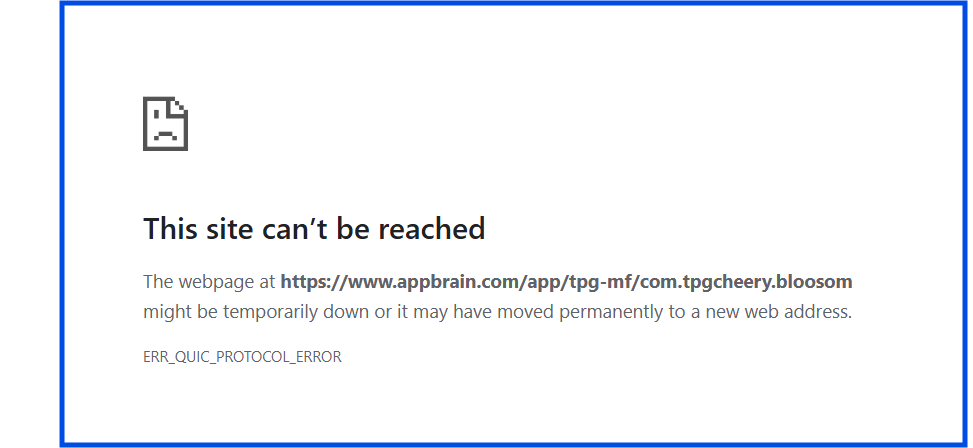
Even the TPG MF Application site is not reachable.
So when you see TPG’s name attached to a flashy app or a “guaranteed returns” pitch circulating on social media, pause and ask yourself one question: would a $286-billion global investment giant really need to chase retail investors on messaging apps?
The answer tells you everything you need to know.
TPG MF Application Real or Fake
TPG is the real deal. A globally respected alternative asset management firm with a long-standing reputation in the financial world.
But here’s where many investors get tripped up: there is no officially launched or widely available “TPG MF application” meant for retail mutual fund investors.
So if someone slides into your DMs, WhatsApp, or Telegram claiming to offer TPG-backed investments, that’s your cue to pause and question the pitch.
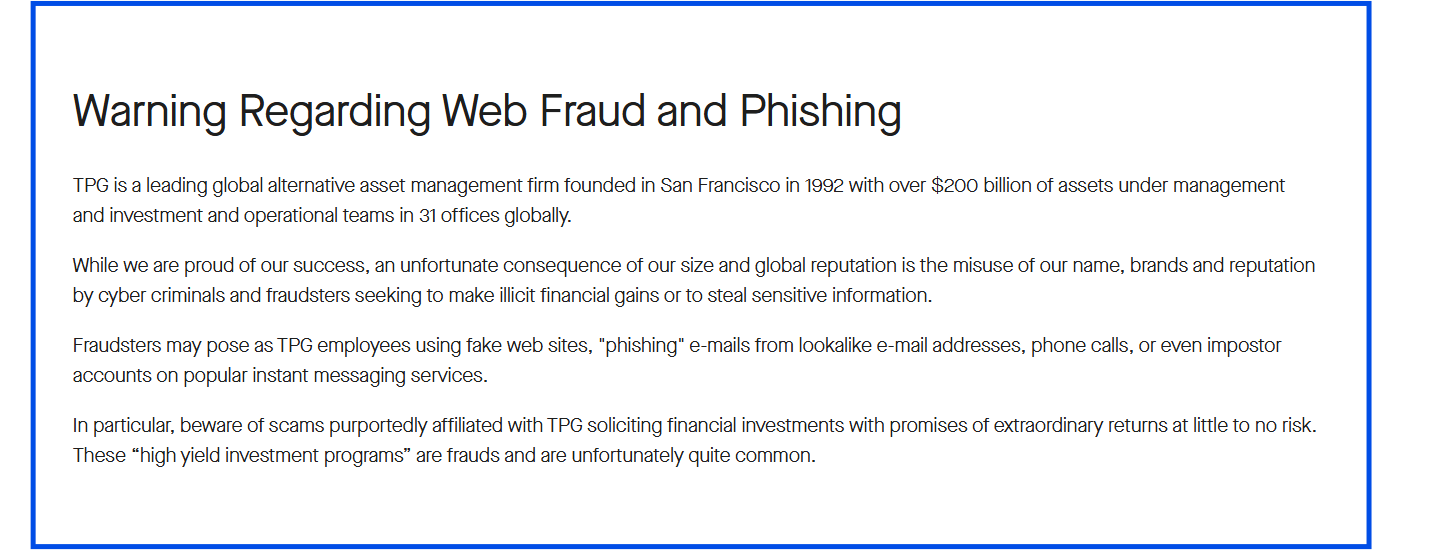
In fact, TPG itself has publicly warned investors about fraudsters misusing its name and brand to appear credible. These impostors often set up fake apps, websites, or social media profiles that look convincing at first glance.
But their goal is simple: to lure unsuspecting investors into parting with their money.
The most common red flag?
Promises of sky-high returns with little or no risk. These so-called “high-yield investment programs” may sound tempting, but they are classic scam tactics. Real investment firms don’t guarantee extraordinary profits, and they certainly don’t chase investors online with unsolicited offers.
TPG MF Application Complaint: The Anatomy of a ₹5.47 Lakh Fraud
To understand how dangerous the TPG MF Application scam is, we must look at a real-life report from a victim who lost ₹5,47,500. This case follows a “template” that scammers are using across the country today.
Phase 1: The WhatsApp “Trap”
It usually starts innocently. One fine day, the victim finds themselves added to a WhatsApp group that promises free stock market education. No fees. No pressure.
Just “learning.”
For the next few weeks, the group feels surprisingly legit. Admins post polished market charts, confident predictions, and well-worded “expert” insights. Everything looks professional. Helpful, even. Slowly, trust begins to form.
This is not generosity. It’s social grooming.
By consistently giving away “valuable” information for free, the scammers create a psychological comfort zone.
The victim starts believing, “These people know what they’re talking about. They’ve helped me so much already.”
That emotional bond becomes a real asset. Not the stock tips. And once trust is locked in, the trap is ready to close.
Phase 2: Introducing the App
Once the trap was set, the admins unveiled their next big move. The introduction of the TPG MF Application. They hyped it as a “proprietary” trading platform, supposedly built for generating unusually high returns. And by then, the victim was already sold.
After days of guidance, success stories, and so-called expert insights flooding the group, trust came easily.
So when the download link appeared, there were no alarm bells, no second thoughts. The app was installed without question, unaware that it wasn’t even a verified platform, but the gateway to the scam itself.
Phase 3: The Illusion of Success
When the victim finally tried to withdraw their hard-earned money, the scam revealed its true face. Out of nowhere came the ultimatum: “Your funds are locked. To release them, you must first pay a 20% tax.”
This is when the panic set in.
After all, the money was already theirs. Just out of reach. The scammers played on that desperation perfectly, wrapping the demand in official-sounding language and fake regulatory logic.
Convinced this was a standard compliance step and reassured that the payout would follow immediately, the victim gave in and paid the so-called “tax,” believing it was the final hurdle before freedom.
Phase 4: The Vanishing Act
The moment the so-called “tax” was paid, everything fell apart. The WhatsApp chats went silent, the contacts vanished, and the TPG MF application abruptly stopped working. Just like that, the money disappeared.
What followed was an eerie digital blackout.
Support groups became inactive, messages went unread, and the app that once promised returns was suddenly inaccessible. No logins, no explanations. and no refunds.
Every attempt to reach the people behind the scheme hit a dead end.
By then, the truth was impossible to ignore.
The victim hadn’t made a bad investment; they had walked straight into a carefully engineered cyber scam.
The entire amount remains blocked, communication lines are completely cut off, and the deception stands exposed for what it truly was: a calculated fraud designed to vanish the moment the final payment was made.
How to Spot TPG MF Scam?
If you’re currently part of a group buzzing about the TPG MF Application, pause for a moment and read this carefully. Because the red flags are usually hiding in plain sight.
Let’s start with how the app is being shared.
A genuine trading or mutual fund app will always come from the Google Play Store or Apple App Store. If someone casually drops a link and asks you to download an APK file directly, that’s not convenience, it’s danger.
This is one of the most common tricks used to install scam apps or malware on your phone.
Next, take a closer look at who’s “supporting” you. Real investment companies don’t operate from anonymous WhatsApp groups. They have registered offices, official email IDs, proper websites, and customer care numbers you can verify.
If your only point of contact is a WhatsApp admin with a flashy name like “Assistant” or “Professor,” and they keep reassuring you with voice notes and emojis, you should already be on high alert.
If even one of these signs feels familiar, trust your instincts. In investing, excitement is good, but skepticism is essential.
How to Report Investment Scams?
If you have fallen victim to the TPG MF Application or a similar scheme, every minute counts.
Here is the step-by-step process to take action:
- Report to the National Cyber Crime Portal. File a cyber crime complaint, including screenshots of the WhatsApp chats, the app interface, and the bank transaction IDs.
- Call the National Cybercrime Helpline number.
- Inform your bank’s fraud department that you have been scammed. Request them to flag the recipient accounts.
- Do not delete the WhatsApp group or the app yet. Take screenshots of every conversation, every “profit” screen, and the bank accounts they told you to send money to.
Need Help?
We understand that losing your hard-earned savings is a traumatic experience. Scammers don’t just take your money; they take your peace of mind.
If you have been defrauded by the TPG MF Application, you don’t have to navigate the recovery process alone.
Register with us. Our team specializes in documenting cyber-fraud cases and assisting victims in building a strong legal and technical file to present to the authorities.
Conclusion
The TPG MF Application is a textbook example of modern “Pig Butchering” scams.
Where victims are “fattened up” with fake profits before being “slaughtered” for their savings. While TPG Capital is a legitimate global entity, any app using their name to solicit small investments via WhatsApp is a fraudulent clone.
In the digital age, your greatest defense is skepticism. Never download an app from an unverified link, and never send money to “unlock” your own profits. If a deal looks too good to be true, it’s because it is.
Stay vigilant, keep your software updated, and always verify an investment platform through official regulatory bodies like SEBI before hitting that “transfer” button.