

Quick Summary
Initial Claim: ₹57,000 Core Violation: A firm registered as a Research Analyst promised a fixed daily profit figure, pressured the client through repeated late night calls to liquidate his own demat holdings to fund the advisory fee, then forced trades that wiped out most of his remaining capital. Forum Used: Direct negotiation with the firm, following a formal legal notice. Recovery Secured: ₹21,500. Deepesh Sanghvi (name changed) is from Vadodara, Gujarat. He said no at first. That refusal did not stop the calls. It just moved them later into the night.
Deepesh received a call from a representative of a firm registered with SEBI as a Research Analyst, who shared the firm’s registration number early in the conversation specifically to establish credibility.
The pitch came with a precise figure attached: fifteen thousand rupees in daily profit if he subscribed to the premium plan.
He declined initially. A specific daily profit figure is not a research-based estimate.
It is a guarantee, and SEBI regulations prohibit research analysts from making promises of this kind regardless of how the number is framed.
Refusal Answered With Late Night Calls
Deepesh’s initial refusal did not end the contact. Calls continued, repeatedly, including late into the night.
The pressure was constant enough that he was eventually advised to liquidate holdings in his own demat account specifically to fund the advisory fee being demanded.
Under this sustained pressure, he did exactly that, selling existing holdings to raise the roughly ₹36,000 he ultimately paid.
This was not capital he was investing fresh. It was capital pulled out of positions he already held, converted into a fee for a service he had not originally wanted.
Anyone pressured this way to liquidate existing holdings can file a complaint against SEBI registered research analyst firms using late-night or repeated call harassment as part of the evidence, since sustained coercive contact is itself a documentable pattern.
A Small Account, Wiped Out Fast
The very next day, acting on the tips provided, Deepesh entered a trade that produced a loss of ₹10,000. On expiry day, he was advised to hold his position rather than exit, a decision that produced a further loss of ₹11,000.
His total trading capital had been only ₹26,000.
Between these two advised decisions, close to his entire trading account was gone, on top of the ₹36,000 fee he had already been pressured into paying.
Documentation That Never Existed
At no stage did Deepesh receive a written agreement, a risk profiling assessment, or any explanation of the strategy behind the recommendations he was given.
Assurances of high accuracy and eventual loss recovery continued even after the losses were already substantial.
How Our Team Formulated a Dual-Violation Strategy?
The pressure to liquidate holdings for the fee, and the subsequent trading losses, needed to be documented as related but independently strong pieces of the same case.
Step One: We Established The Fee Coercion Timeline
The pattern of repeated and late-night calls following Deepesh’s initial refusal was documented with dates and timing, showing sustained pressure rather than a single persuasive conversation.
Step Two: We Connected The Liquidation Directly To The Fee Demand
We traced the specific holdings sold and the timing of that sale against the fee payment, establishing a direct line between the pressure applied and the funds raised to meet it.
Step Three: We Isolated The Two Loss Producing Trades
The trade the day after payment and the expiry day hold instruction were each reviewed separately, showing two distinct, advised decisions that together consumed most of Deepesh’s remaining capital.
Step Four: We Documented The Complete Absence Of Risk Profiling
The lack of any written agreement, risk assessment, or strategy explanation across the entire relationship was recorded as an independent violation, separate from the specific trading outcomes.
Step Five: We Sent A Legal Notice Covering The Coercion And The Losses Together
Our notice combined the fee coercion, the guaranteed profit promise, and the trading losses into one complete demand, each tied to its specific SEBI regulation.
Step Six: We Pushed Through Direct Negotiation With The Firm
With the coercion pattern and the trading losses both clearly documented, our team engaged the firm directly to move the matter toward resolution.
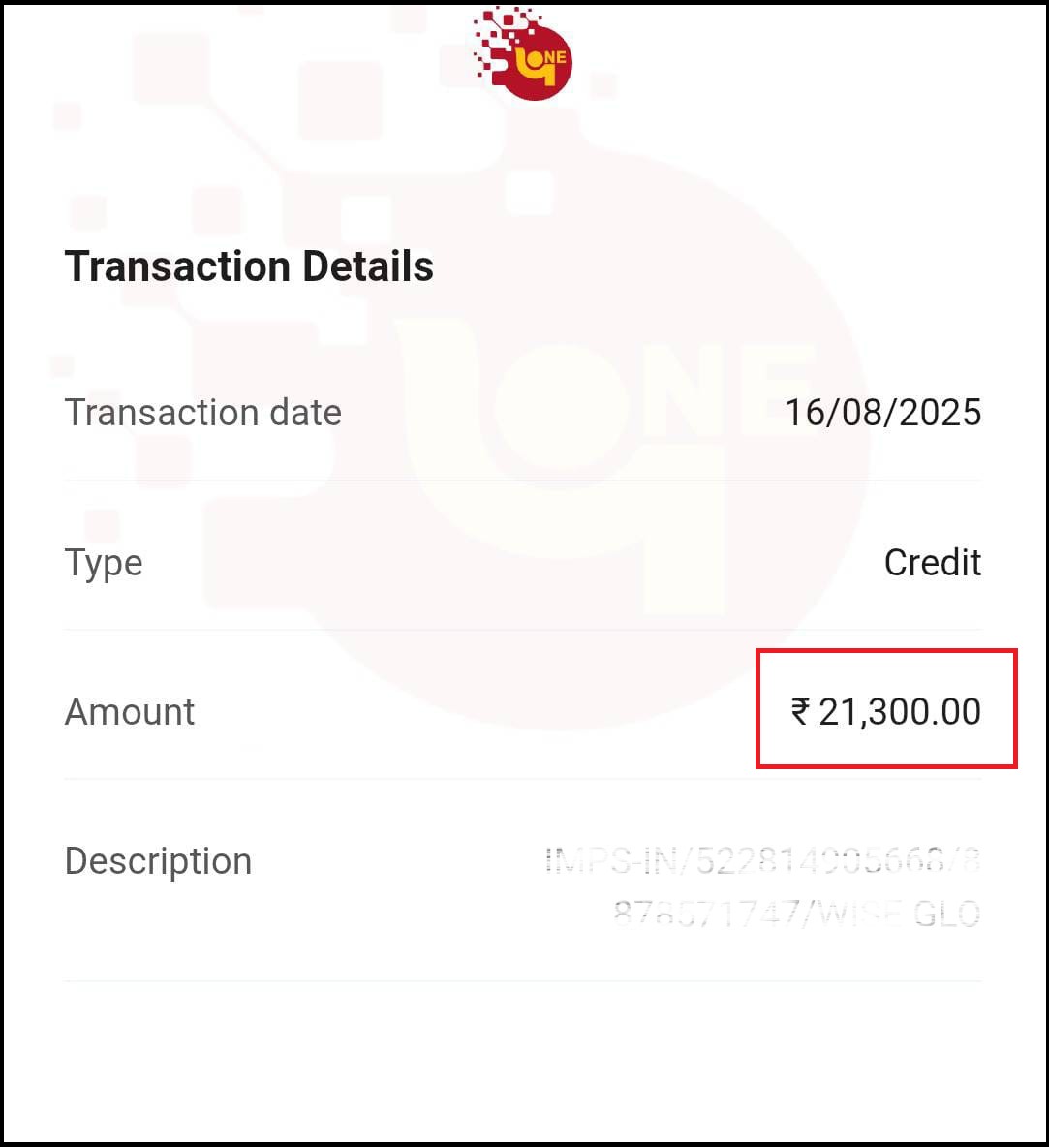
Through this direct negotiation, the matter was resolved with a recovery of ₹21,500.
Pressured Through Late Night Calls Until You Paid? Our Team Can Help
Deepesh’s case turned on documenting exactly when the calls happened and what he was pressured to sell to pay the fee. If this sounds familiar, start logging the dates and times of every call today.
Register with us and we will take it from there.
Conclusion
Being pressured to liquidate existing holdings just to fund a fee for a service never actually wanted is a distinct form of coercion, separate from any losses that follow once trading begins.
Deepesh’s case shows why documenting the exact pattern of repeated and late-night contact matters, since it establishes the pressure itself as a violation independent of whether the eventual advice was any good.
A guaranteed daily profit figure quoted at the very first call is often the clearest early signal that what follows will not hold up to scrutiny.
Report. Recover. Stay Fraud Free.
Frequently Asked Questions
Yes. A pattern of sustained, coercive contact following an initial refusal can be documented with call logs and timing, and forms part of a legitimate complaint.
Yes, and it is worse. A precise number quoted as an expected outcome is a guarantee of return, which SEBI regulations explicitly prohibit regardless of how confidently it is stated.
Document exactly what was sold and when, alongside the fee payment that followed. This connection strengthens a claim considerably.
Yes. The size of your capital does not change the underlying violation, and a small account wiped out quickly is strong evidence of unsuitable, forced advice.
Save call logs with timestamps, every message pressuring payment or a specific trade, and any assurance of guaranteed or recoverable returns you were given.





 Add us as a preferred source on Google »

