

Quick Summary
Initial Claim: ₹67,000 Core Violation: A broker’s platform simultaneously sold eight separate holdings across a client’s portfolio within an eight minute window, with no order placed and no consent given, then pressed for a settlement clause that would have waived any further claim. Forum Used: Direct negotiation with the broker, after rejecting the platform’s proposed settlement terms. Recovery Secured: ₹50,000. Vidya Angad (name changed) is from Bhilai, Chhattisgarh. She had built a portfolio across eight different companies over time. Between 10:32 and 10:40 on a single morning, every one of them was sold. She had placed none of those orders.
Vidya’s demat account held positions across eight separate companies, spanning sectors from logistics to entertainment to specialty metals.
On the morning in question, all eight positions were sold within eight minutes, between 10:32 and 10:40.
She placed no sell order that morning. No instruction was given, written or verbal, to liquidate any of these holdings.
The scale and simultaneity of the sales pointed to one clear explanation: a system-level failure rather than any deliberate trading decision by her.
8 Positions Sold Below Cost: The Realized Capital Loss
Each holding was sold at a price well below what she had originally paid, producing losses across every single position. Individually, none of the losses looked catastrophic.
Together, they totalled ₹68,487.40 in realised capital loss from a single eight-minute event.
The pattern across all eight trades was consistent.
Prices were well under purchase cost, execution was within the same narrow window, and no supporting instruction from Vidya anywhere in the record.
Connecting the Glitch to Existing Regulatory Findings
Around the same period, the broker had separately settled two matters with SEBI concerning gaps in its own technical infrastructure, including delayed reviews of its business continuity planning and an absence of alternate support channels during system disruptions.
Neither settlement was specific to Vidya’s case, but both pointed toward the same underlying weakness: a platform without adequate safeguards against exactly the kind of erroneous, unauthorised execution that hit her account.
Anyone facing a similar multi-holding wipeout can bring a broker complaint that references the platform’s own documented regulatory history alongside their personal loss.
Why the Initial Settlement Required Waiving Future Legal Rights?
When Vidya raised the issue, the broker’s response included a proposed settlement built around a full and final clause, one that would have closed off any further claim regardless of whether the compensation offered actually matched the loss.
Accepting a clause like this trades away future recourse in exchange for whatever number is on the table at that moment, often before the full scale of the platform’s own failure has even been established.
Rejecting the Waiver: Setting Up a Direct Recovery Plan
With eight separate positions involved and a settlement clause designed to close the matter quickly, this case needed patience on two fronts at once.
Step One: We Mapped Every Trade Against The Same Eight-Minute Window
Each of the eight sales was placed on a single timeline, confirming they occurred within the same narrow window with no supporting instruction behind any of them.
Step Two: We Calculated The Combined Loss Across All Eight Positions
Rather than treating each holding as a separate, smaller complaint, we consolidated all eight losses into a single claim, reflecting the true scale of the event as one connected failure.
Step Three: We Rejected The Full And Final Settlement Language
We formally declined the proposed clause, explaining that any resolution needed to reflect the actual documented loss rather than close off further recourse in exchange for an unexamined offer.
Step Four: We Cited The Broker’s Own Recent Regulatory Settlements
The platform’s documented gaps in continuity planning and technical safeguards were referenced directly, adding independent regulatory weight to a claim that might otherwise have rested only on Vidya’s own account.
Step Five: We Sent A Formal Notice Demanding Restitution On Our Terms
Our notice set out the full ₹67,000 claim, the rejected settlement language, and the supporting regulatory context together, moving the conversation away from the platform’s original offer entirely.
Step Six: We Negotiated Directly To A Revised Resolution
With the waiver clause off the table and the full scale of the loss clearly documented, our team pushed the broker toward a genuine resolution rather than a quick, limiting settlement.
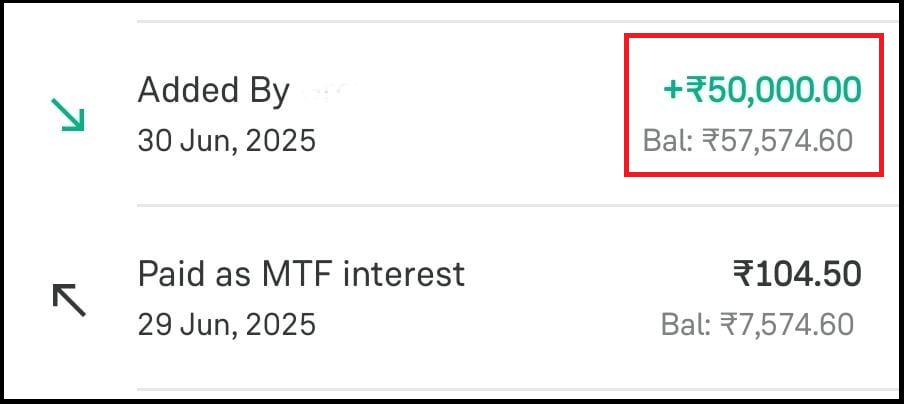
Through this direct negotiation, the matter was resolved with a recovery of ₹50,000.
Asked To Sign Away Future Claims In Exchange For A Quick Payout? Our Team Can Help
Vidya’s case moved forward only after we rejected the settlement language the platform first offered. If you are facing a similar clause, read it carefully before signing anything, and reach out first.
Register with us and we will take it from there.
Conclusion
A system failure that touches eight holdings at once is not eight small problems; it is one event that deserves to be treated as such, with the full combined loss claimed together rather than piecemeal.
Vidya’s case also shows why the first document a platform offers after an error is not always the right one to sign.
A full and final clause can close off a fair outcome before the actual scale of a failure is even understood, and refusing to sign it is often the step that makes a genuine recovery possible.
Where a broker’s own regulatory record shows related weaknesses, that history belongs in the claim as independent support, not as an afterthought.
Report. Recover. Stay Fraud Free.
Frequently Asked Questions
No. If they occurred as part of the same event, consolidating them into a single claim better reflects the true scale of what happened and strengthens the overall case.
It is language that closes off any further claim once signed, regardless of whether the compensation offered was adequate. Reviewing it carefully before agreeing is essential.
Yes. An initial offer, especially one tied to a full and final clause, is a starting point rather than a final answer, and further negotiation is often possible.
Yes. A documented history of related technical or compliance failures adds independent weight to your specific claim, beyond your own account of events.
Pull your full trade confirmation history for the exact time window involved and confirm you placed no corresponding orders during that period.





 Add us as a preferred source on Google »

