Have you ever searched for “The Trade Room” and ended up confused because multiple apps and platforms pop up with almost the same name?
One teaches you how trading works, while another lets you trade real money on high-risk CFDs. And then, to make things worse, scammers have also created fake versions of the name to fool people.
Confusing, right?
But this confusion doesn’t just waste your time; it can cost you your savings.
Here’s the truth: when people say “The Trade Room,” they may be referring to completely different things.
Some are talking about a genuine educational app where you learn strategies, study charts, and slowly build real trading skills.
Others end up downloading a CFD trading app or, even worse, falling into a scam platform where one wrong click can destroy your entire balance in seconds.
So yes, the names sound similar, but the experiences couldn’t be more different.
In this blog, we’ll break everything down clearly.
We’ll look at:
- What the Trade Room educational app actually is
- What the CFD-based Traderoom/CMC app does
- How scammers impersonate these names
- And most importantly, the risks associated with the Traderoom trading app
By the end, you’ll know exactly which “trade room” is safe to enter, and which ones might lead you straight into a financial trap.
TradeRoom App Review
Let’s start with the real educational app.
The Trade Room on Google Play is created by Mayank Raj.
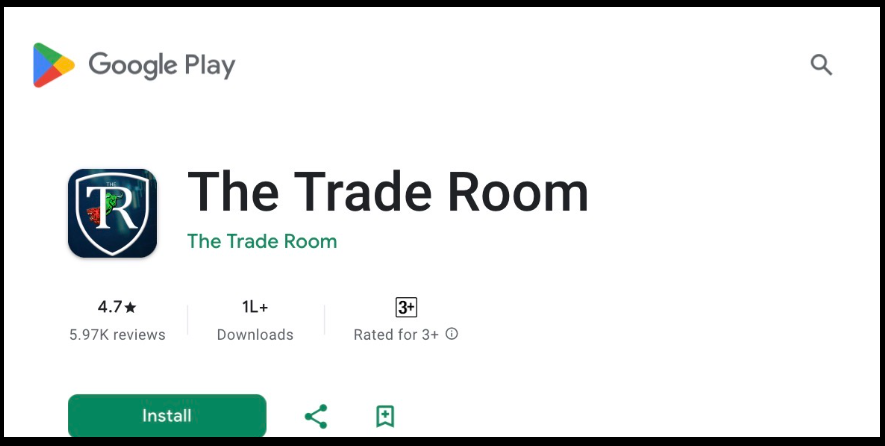
This app focuses on teaching genuine trading skills like:
- Price action
- Scalping
- Chart reading
- Market psychology
It has a strong 4.7 rating, transparent developer details, and no misleading promises. Users learn, but they don’t deposit money or trade real funds.
This app is considered safe, because:
- The developer is verified
- No unnecessary user data is collected
- Security practices are clear
- Most reviews are positive
- No reports of fraud or misuse
So yes, The Trade Room (educational app) is real, legitimate, and meant for learning.
The Other TradeRoom, and Why Things Get Risky
Now here’s where things get complicated.
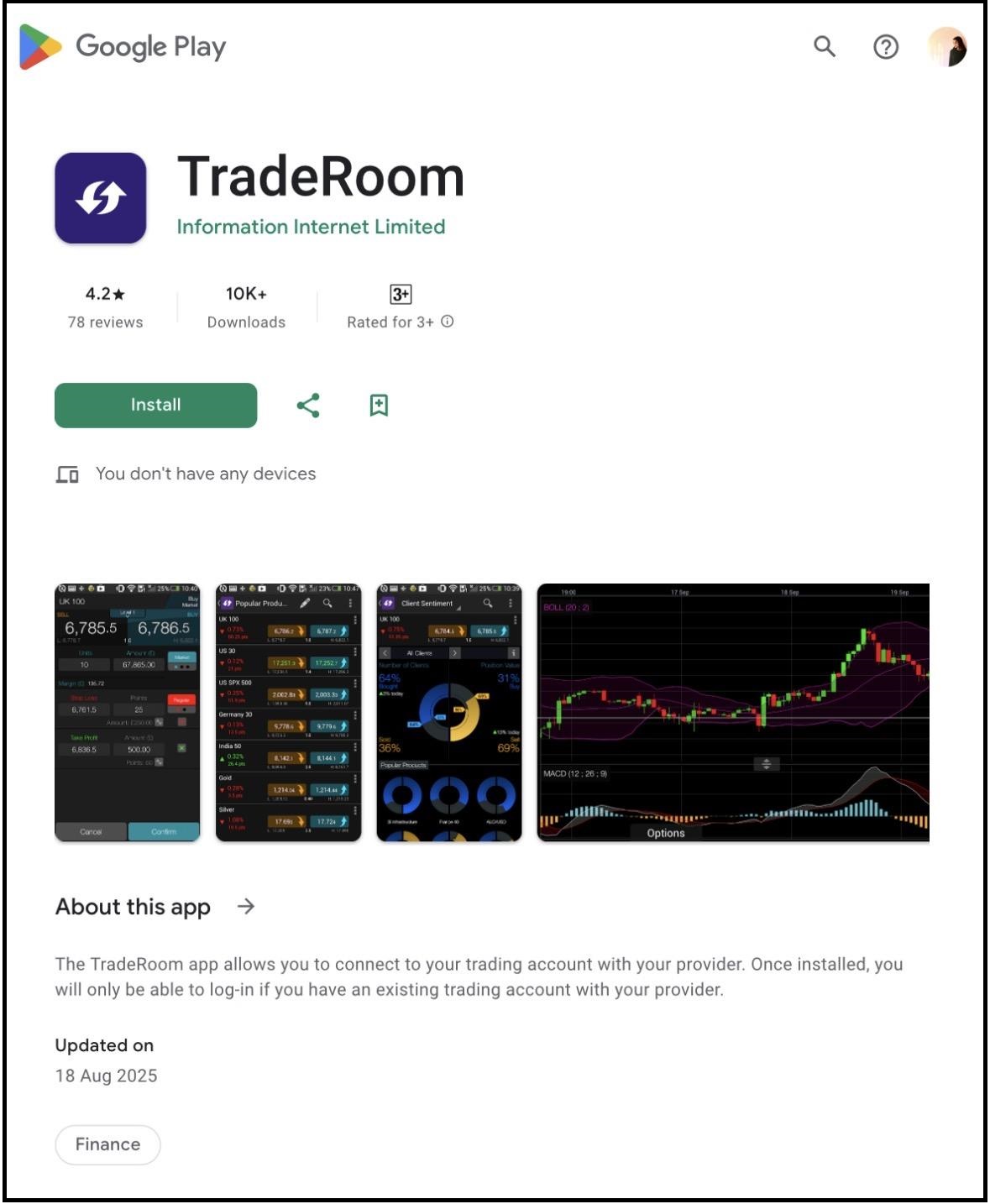
There’s another app called TradeRoom (without the space), and this is where the risk begins.
This TradeRoom app is tied to actual forex or CFD trading, where users connect real trading accounts.
And unlike the educational version:
- It is not clearly regulated.
- It collects and shares sensitive data.
- It requires real account access
- One mistake can wipe out real money
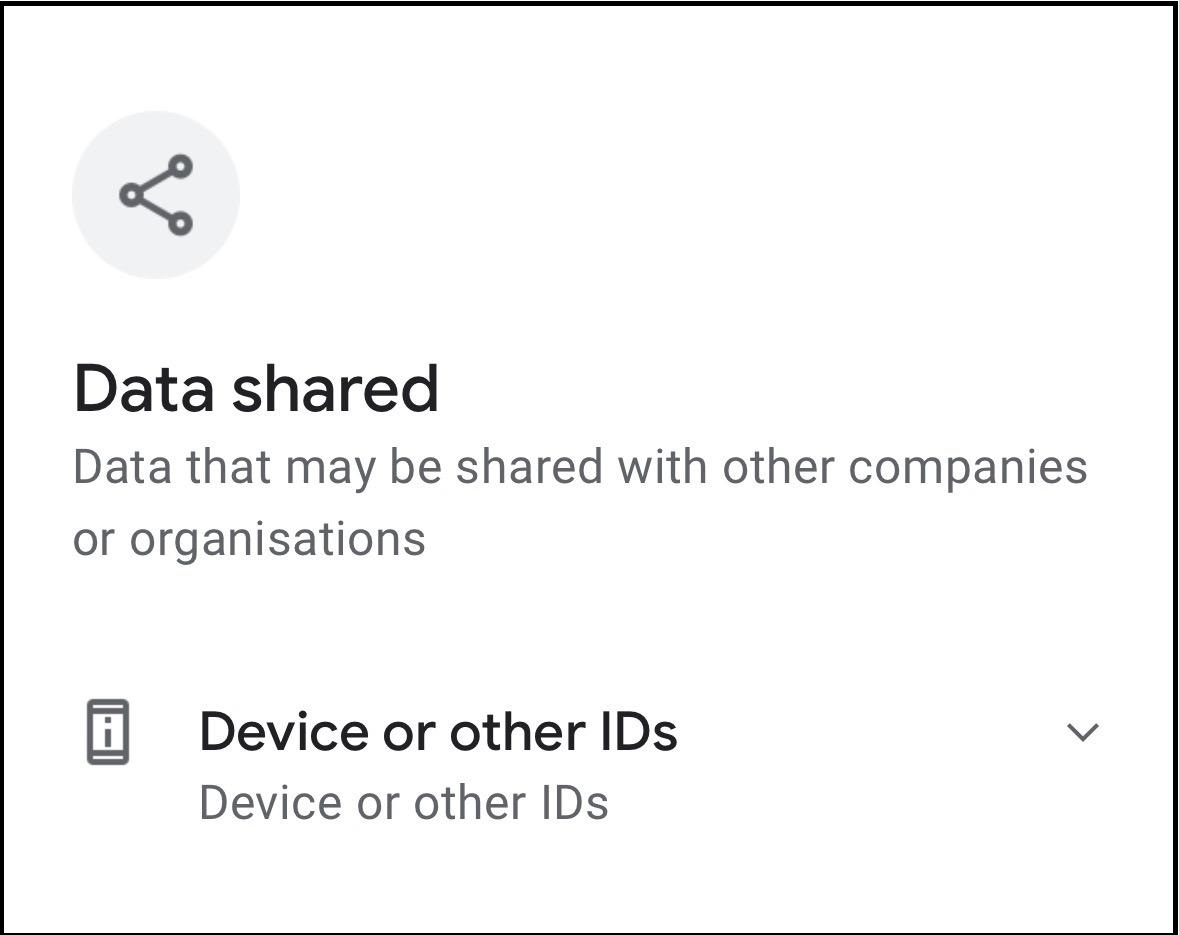
Some versions of this app even mention that your data may be shared with external organisations, a massive red flag.
A legitimate trading app will never ask you for access beyond what is strictly required, especially not account credentials or remote management.
So before you tap “Install,” think about what could happen if the wrong app gets access to your money or your identity.
Is The Trade Room Real or Fake?
Let’s settle the big question:
“Is The Trade Room safe?”
The educational platform: Real, safe, and trustworthy.
The CFD-based TradeRoom app: Often risky, sometimes unregulated, and in many cases described as scam-like by users.
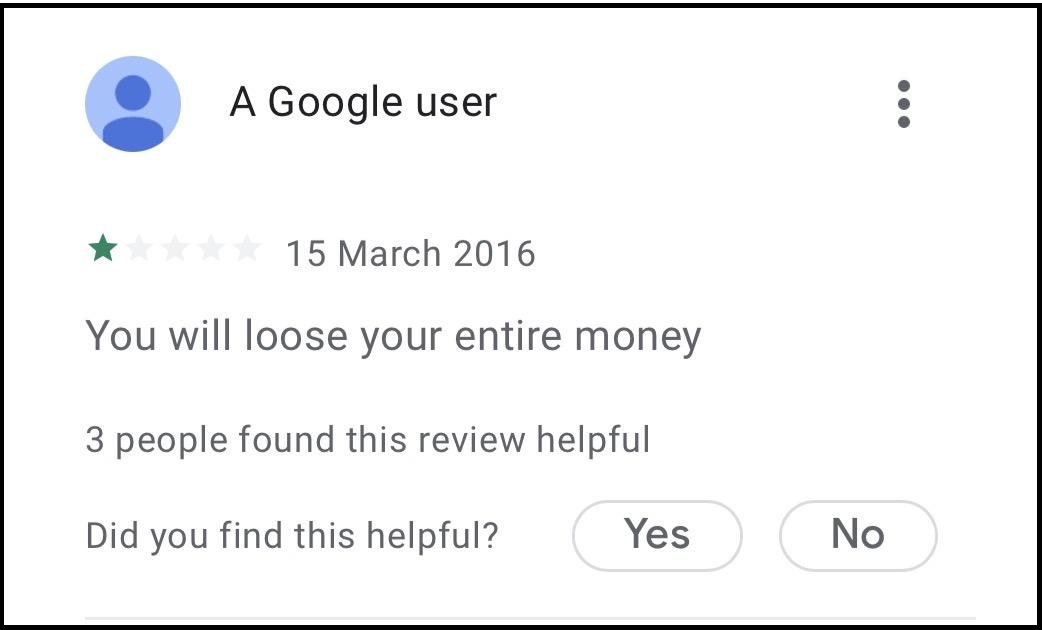
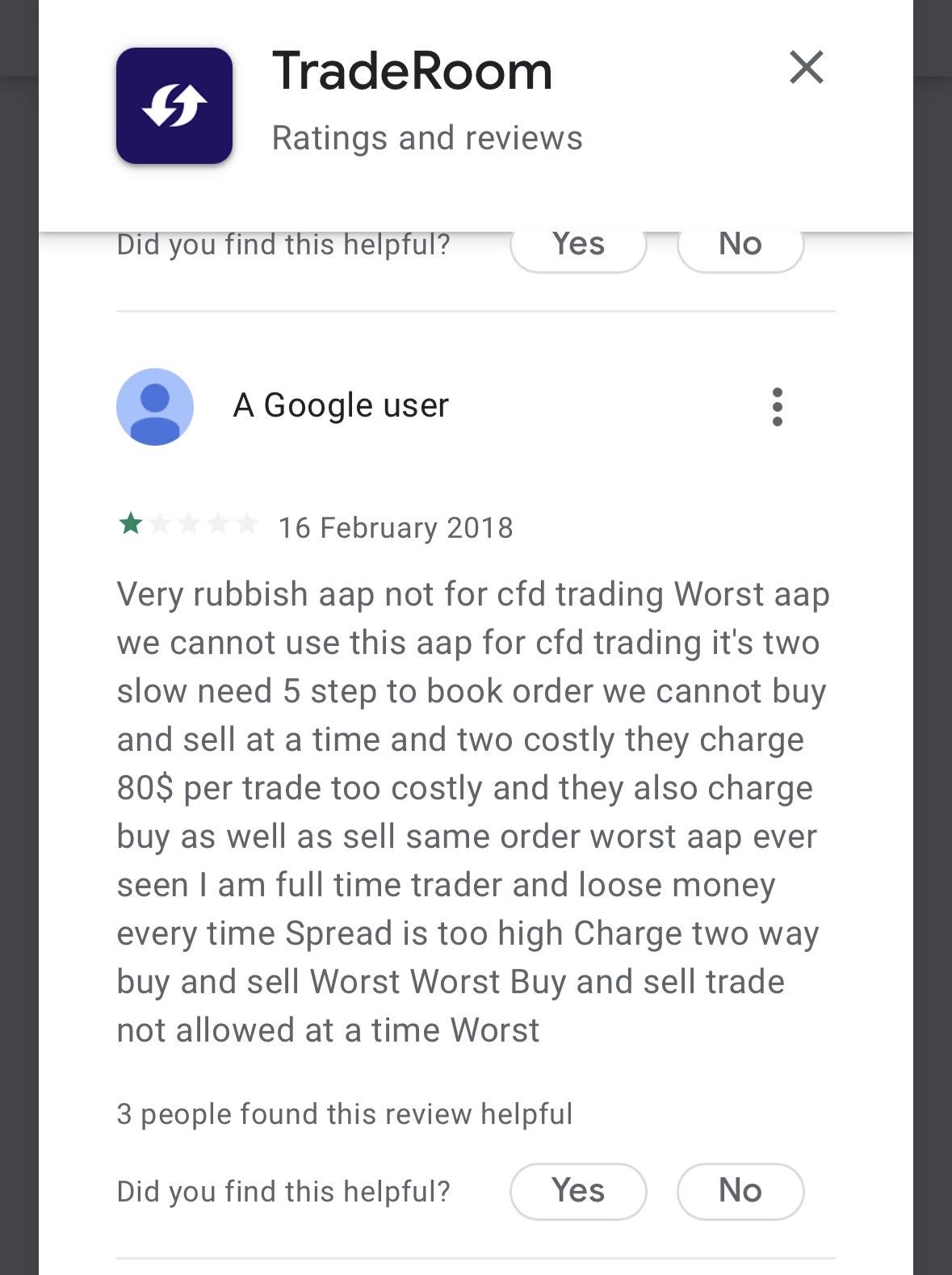
Many reviewers report losing money, getting misleading advice, or facing withdrawal issues.
Some even say they were contacted by strangers pretending to represent “The Trade Room” and were pushed into depositing money.
And that’s the real danger, the scammers hiding behind similar names.
The Trade Room Impersonation Scam
Because the educational app is popular and trusted, scammers copy its name to cheat unsuspecting traders.
Most scams begin through:
- WhatsApp groups
- Telegram channels
- Random Facebook/Instagram messages
Let’s make this very clear:
A legitimate company will NEVER contact you on WhatsApp or Telegram promising guaranteed profits.
Scammers use these apps because they can’t be tracked easily.
They build trust, promise unbelievable returns, and then push victims into installing fake apps or sharing account details.
The Trade Room Complaints
Here’s one real case that shows how painful these scams can be.
A victim joined a Telegram and WhatsApp group called “The Trade Room.” A man named Rakesh Kumar Meena contacted him, claiming he managed trading accounts on a profit-sharing basis.
The deal sounded simple, “You earn profits, I take only 10%.”
Who wouldn’t be tempted? But this is how scammers operate.
If someone can earn guaranteed profits, why would they take just 10%? Why not trade with their own money?
Because the promises are fake.
Sadly, the victim trusted him and shared access to his trading account.
The scammer then executed unauthorised trades, leading to a loss of ₹43,000, and even took ₹50 upfront as a service fee.
After the damage was done, the scammer vanished, no replies, no accountability.
Imagine how heartbreaking this is. People invest their hard-earned money hoping to build a better future for their families, but one scammer’s greed can destroy everything in seconds.
For scammers, it’s “just money.” For victims, it’s their dreams, sacrifices, and hopes.
How to Report Fake Platforms?
If you have been a victim of impersonation scam, you can follow these steps:
- You should stop all activities and keep a record of all communication with the operators. You must collect all the screenshots, promises done, claims, etc.
- File a complaint in Cyber Crime. All you need to do is:
- Visit cyber cybercrime online portal.
- File a detailed complaint with all supporting evidence (screenshots, transaction records, messages, app details)
- Track your complaint status using the reference number provided
- You can also file an FIR. For this, you can:
- Visit your local police station or cyber cell
- File a First Information Report (FIR) with complete details
- Keep a copy of the FIR for your records
The sooner you report, the better your chances are of preventing further damage and potentially recovering lost funds.
Need Help?
We understand that it becomes very frustrating when all our hard-earned money just vanishes in seconds. In case you are confused about how to report such scams online, register with us now.
We will guide you with the process and help you in filing your complaint online.
Conclusion
The Trade Room story shows how easily scammers exploit trusted names in the trading world.
The genuine educational app is real and safe, but the same name is frequently misused by risky CFD apps and outright fake platforms to gain people’s trust and steal their money.
With online trading scams rising rapidly in India, staying alert is not optional anymore; it’s essential.
And let’s make one thing absolutely clear: This is not about a brand or a specific company. It’s about the behaviour behind the scam.
No matter who contacts you or what name they use, no one, yes NO ONE, is allowed to trade on your behalf.
Account handling is strictly prohibited by regulators, and anyone offering it is already breaking the rules.
If their strategies were truly foolproof, they wouldn’t need your money; they’d be trading their own.
Profit-sharing schemes, guaranteed returns, and remote account access. All of these highlight one thing: high risk and high chances of fraud.
If something feels off, trust your instincts and walk away. There will always be better opportunities ahead. But once your money goes into a scammer’s hands, recovering it becomes nearly impossible.