
Quick Summary
The Trade Room, created by Mayank Raj, exists as three different things people confuse with each other: a genuine educational app, a paid mentorship course, and a name scammers impersonate on WhatsApp and Telegram. The app itself is legitimate. The paid course carries real red flags, no SEBI registration, disappearing content, a buggy platform, and three named user complaints. Separately, fraudsters have used the “Trade Room” name to run profit-sharing scams that have cost victims real money. This blog breaks down all three so you know exactly what you’re dealing with.
Have you searched for The Trade Room and ended up more confused than when you started, because three completely different things share the same name?
One is a genuine app that teaches trading. Another is a paid course with a growing list of user complaints. A third is scammers borrowing the name entirely to run WhatsApp and Telegram schemes.
This blog separates all three clearly, covering what the app actually is, whether Mayank Raj’s course is worth paying for, and how to protect yourself from the impersonators trading on his name.
The Trade Room App
Before getting into verdicts or red flags, it’s worth knowing plainly what this app actually is.
The Trade Room is a free educational app on Google Play, built by financial content creator Mayank Raj, focused on teaching trading skills rather than executing trades.
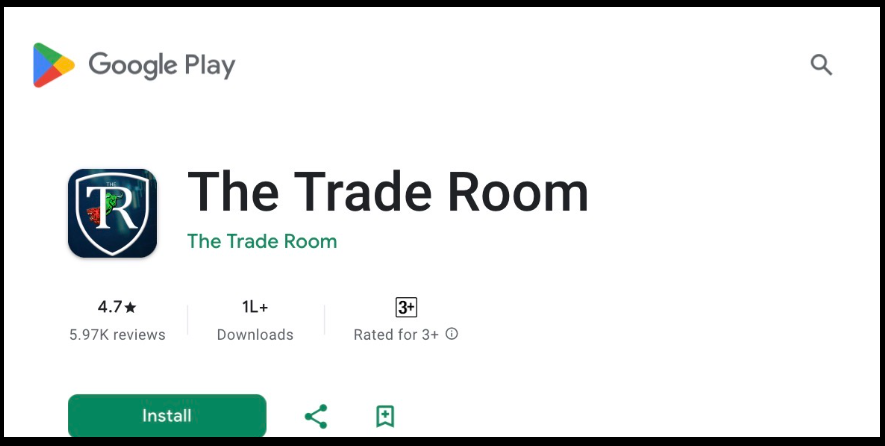
Inside, it covers price action, scalping, chart reading, and market psychology, structured as a learning tool. Users study inside the app.
They don’t deposit money, connect a broker, or trade real funds through it.
That single fact, learning only, no live money, is what separates this app from almost everything else carrying a similar name, which is exactly the confusion the next section clears up.
Is The Trade Room App Real or Fake?
Let’s settle the core question first, since it’s the one most people actually came here to answer.
The Trade Room app, created by Mayank Raj, is real, legitimate, and safe to use.
It holds a 4.7 rating, has transparent developer details, and doesn’t ask for account access or trading credentials.
That’s where the confusion usually starts, though, because “The Trade Room” isn’t the only name in play here.
There’s a separate app called TradeRoom (without the space), tied to actual forex or CFD trading, where users connect real trading accounts.
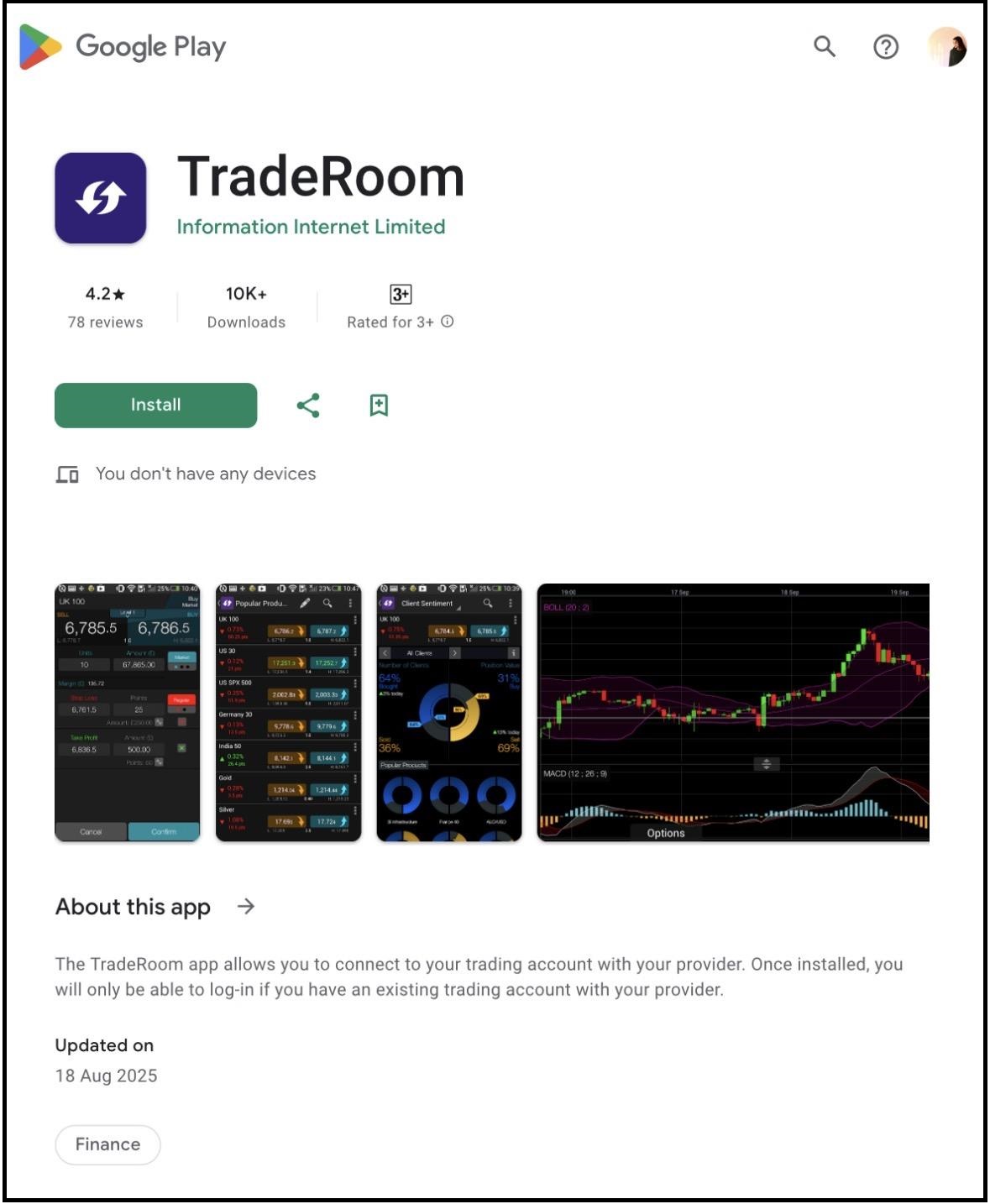
This second app is not clearly regulated, collects and shares sensitive data, and requires real account access. One mistake here can wipe out real money, not just app access.
Some versions of this app state that user data may be shared with external organisations, a detail worth reading twice before you install anything.
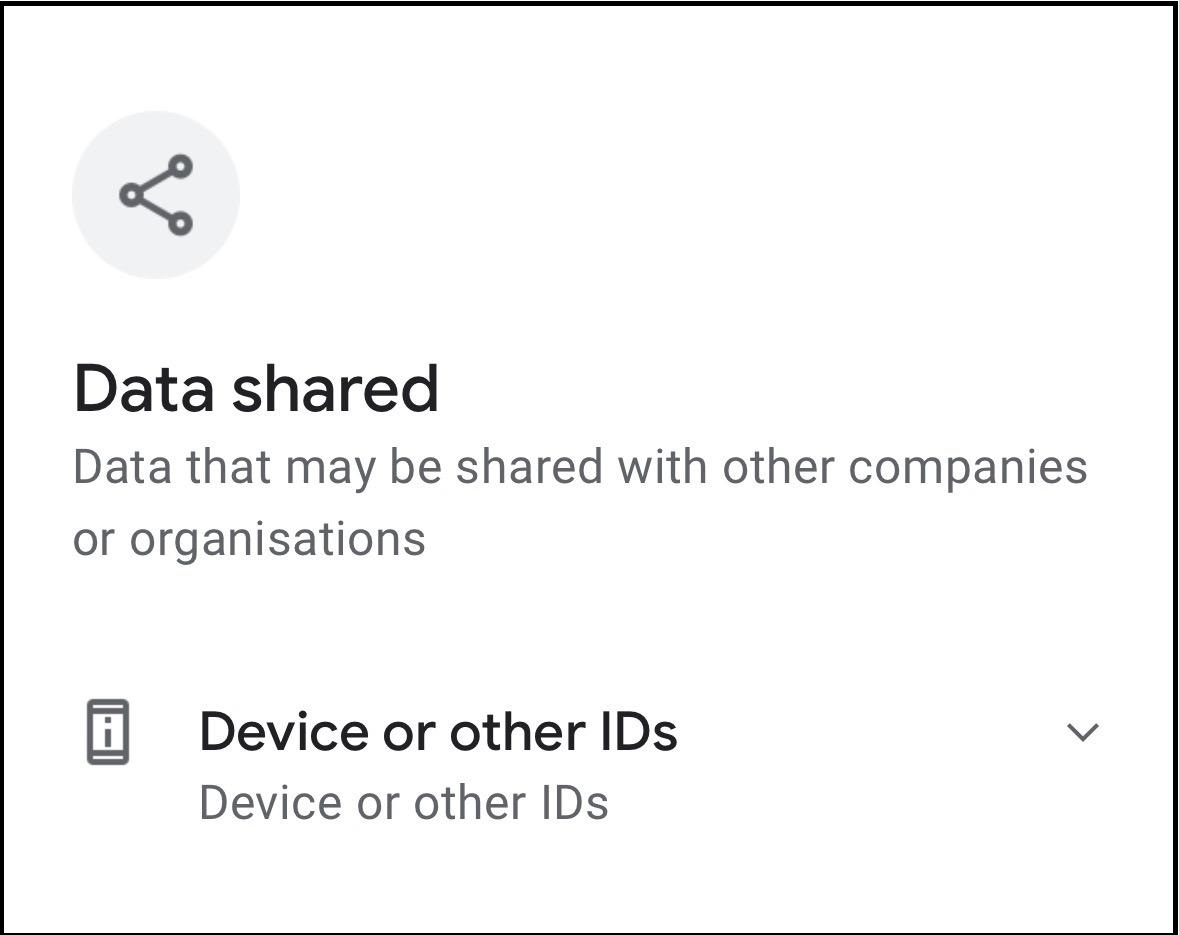
A legitimate trading app will never ask for access beyond what’s strictly required. No account credentials, no remote management, no exceptions.
So the app itself, the genuine one built by Mayank Raj, is safe. The paid course sold around it is a separate matter entirely, and that’s where the real red flags live.
Who Is Mayank Raj?
Before getting into the course itself, it helps to know who’s actually behind it.
Mayank Raj is a financial content creator with a main YouTube channel carrying over 2.2 million subscribers, alongside a separate lifestyle vlog channel.
He positions himself as a trader with experience across Indian stocks, cryptocurrency, and forex markets, and frequently shares his personal journey, starting from a college hostel room, into what he now calls the “Trade Room Army,” his term for his broader community.
That framing builds emotional closeness with beginner traders who see their own starting point reflected in his story.
None of this background is itself a red flag. Plenty of legitimate educators built genuine followings this way. What matters is what happens once that trust gets converted into a paid product, which is exactly what the next two sections cover.
The Trade Room Course
The Trade Room distributes its paid courses through a standalone mobile app, separate from the free educational app, hosted on both the Google Play Store and Apple App Store.
Based on the platform’s own marketing, the course is structured as follows:
- The program structure runs through Learn Trading Phase 1, including Phase 1 assignments and select guest lectures.
- The core offer is step-by-step training modules paired with study guides.
- Included resources cover materials like the Trade Planning Process blueprint, Basics of Financial Markets guides, and stock market PDFs compiled by Mayank Raj.
- What students are promised is a foundational path from complete beginner to confident trader, backed by interactive assignments and personal study files.
Inside the app itself, the marketplace description goes further, promising class scheduling, attendance tracking, and digital assignment distribution, along with a built-in chat module so students who miss live sessions can still ask questions individually or in group discussions.
That’s the pitch. What follows is what students who actually paid for it report happening instead.
Is The Trade Room Course Worth Your Money? Red Flags to Watch For
A polished sales page doesn’t guarantee a working product. A closer look at the actual student experience and official records surfaces five separate problems.
Before you hand over payment for any trading course, it’s worth asking whether your specific provider is even authorised to sell what it’s selling, which is exactly where the first red flag starts.
1. Total Absence of SEBI Registration
Neither Mayank Raj nor The Trade Room holds any SEBI registration as a Research Analyst or Investment Adviser.
The platform positions itself strictly as “educational” to sit outside strict market regulation.
But selling paid trading strategies without a license means students have zero regulatory backup if the advice leads to real losses.
2. The Disappearing Content Trap
Students who complete payment frequently report that promised video modules are missing, empty, or never uploaded at all, leaving them staring at an empty dashboard after paying.
3. The Defective Application
The app itself is reported as buggy. Users describe it freezing mid-lesson, refusing to load the next chapter, and collapsing into a blank screen on restart, making a paid product completely unusable.
4. Unfulfilled Schedules and Missing Support
The course promises a structured three-month curriculum with live doubt-clearing sessions.
In practice, video uploads reportedly stop for weeks at a time, live sessions get skipped without notice, and in-app chat queries go completely unanswered.
5. The Instagram Bio Contradiction
Mayank Raj’s official Instagram account (@thetraderoom_), followed by 1.1 million people, carries a bio that reads: “Education | No course, No call/tips, No Premium Telegram.”
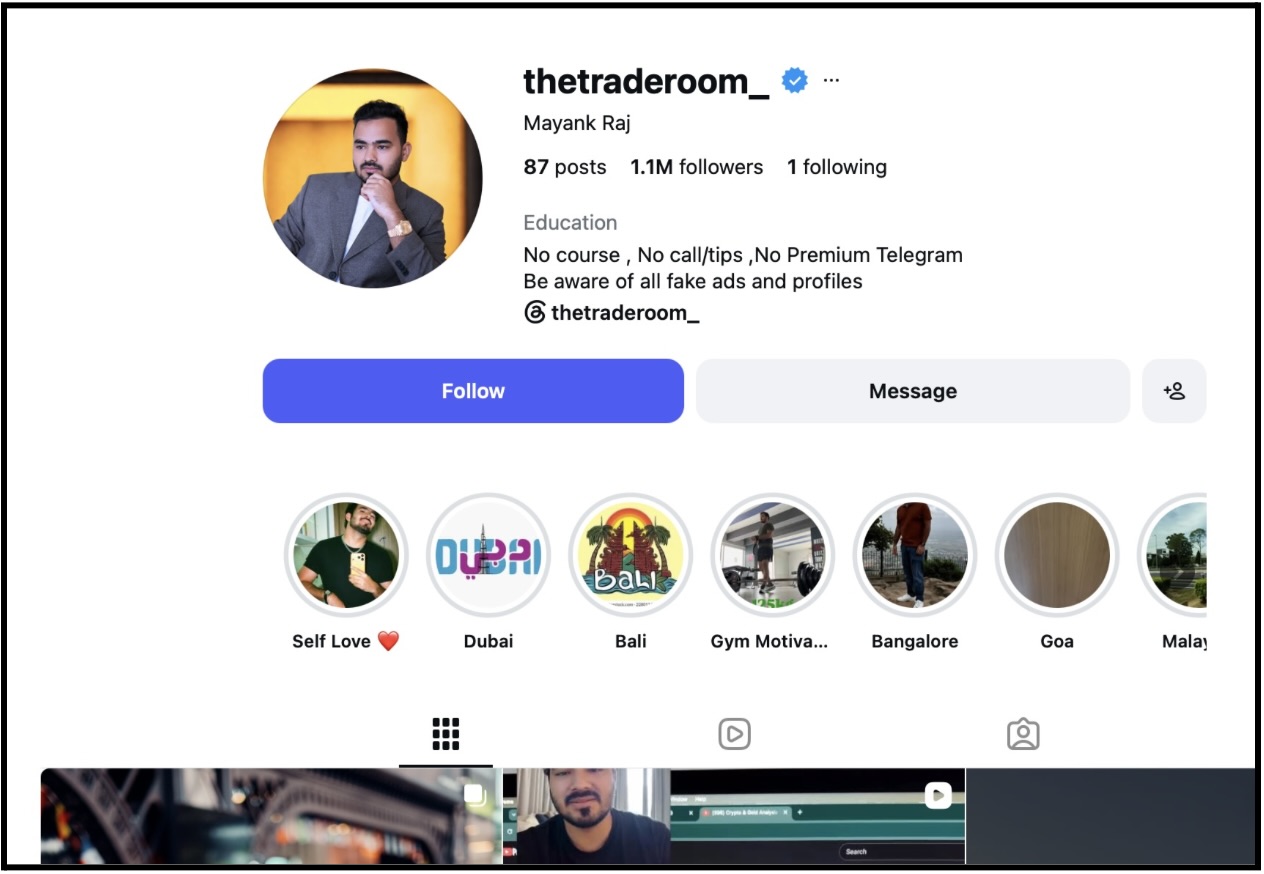
That directly contradicts an app actively charging thousands of rupees for courses like “Basic to Advanced Price Action.”
This mismatch matters beyond just being confusing. It makes it easy for the team behind the course to deny commercial accountability whenever a student runs into trouble, since the public-facing brand claims it isn’t selling anything at all.
Not sure if what you paid for counts as a real service failure or something you have grounds to formally report?
We will review your specific case, tell you honestly what applies, and help you build the complaint that gives you the best shot at your money back.
The Trade Room Course Reviews
Course quality is the first thing worth checking before you pay, and actual paying students have documented exactly what happened once they tried to access what they bought.
Three specific accounts stand out.
We are reporting what these users said on a public platform. We are not independently verifying these accounts, and no SEBI order confirming this specific conduct has been issued as of the date of this blog.
1. ₹6,000 Paid, Course Never Completed
A user named Kiran K wrote a review dated August 10, 2023, stating they wasted ₹6,000 on the course and warning others not to buy it.
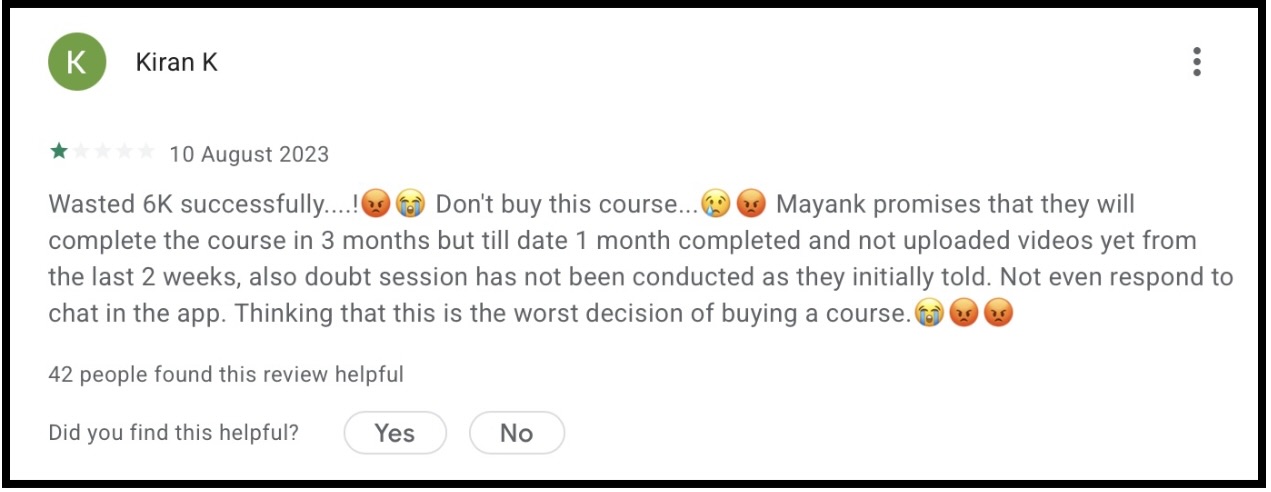
The review states that Mayank promised the course would be completed within three months, but a full month in, only one month’s worth of content had actually been delivered, with no new videos uploaded in the two weeks before the review was posted.
The doubt-clearing sessions promised at signup were never conducted, and the reviewer says the in-app chat received no response at all.
They call it the worst decision of buying a course.
42 people found this review helpful.
2. Video Playback Failure and a Black Screen
A user named ANK! wrote a review dated September 22, 2023, describing a mid-study crash.
The review states that while watching a video, playback stopped and the next video wouldn’t load. Restarting the app produced only a black-and-white screen, with no way to navigate back into the course at all.
The reviewer also flags the app’s “About App” description directly, stating it’s misleading and asking the team to correct it.
80 people found this review helpful, the highest helpful-count among the three course reviews, suggesting this specific failure resonated with a large number of other users hitting the same wall.
3. Paid Course Never Unlocked
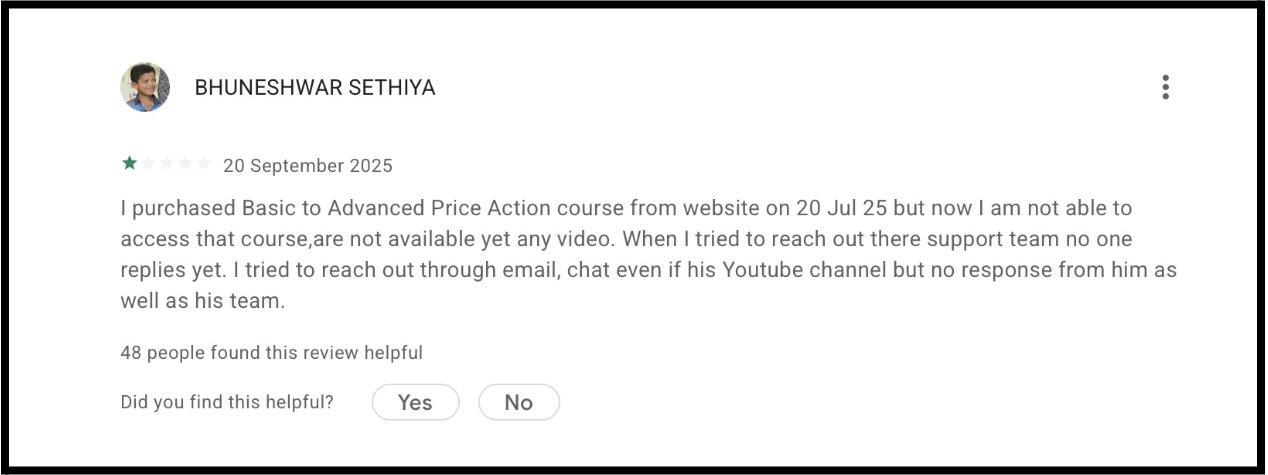
A user named Bhuneshwar Sethiya wrote a review dated September 20, 2025, describing a course that never became accessible after payment.
The review states they purchased the Basic to Advanced Price Action course from the website on July 20, 2025, and had still not received access to a single video by the time of posting.
The reviewer says they tried reaching support through email, in-app chat, and even the official YouTube channel directly, and received no response from Mayank Raj or his team through any of those channels.
48 people found this review helpful.
The Trade Room App Reviews
Course access is one problem.
The separate CFD-based TradeRoom app comes with its own complaints, and they’re worth knowing about since the name overlap is exactly what causes confusion for anyone researching this brand.
1. Total Capital Loss on the CFD-Named App
A user named A Google user wrote a review dated March 15, 2016, warning starkly: “You will loose your entire money.”
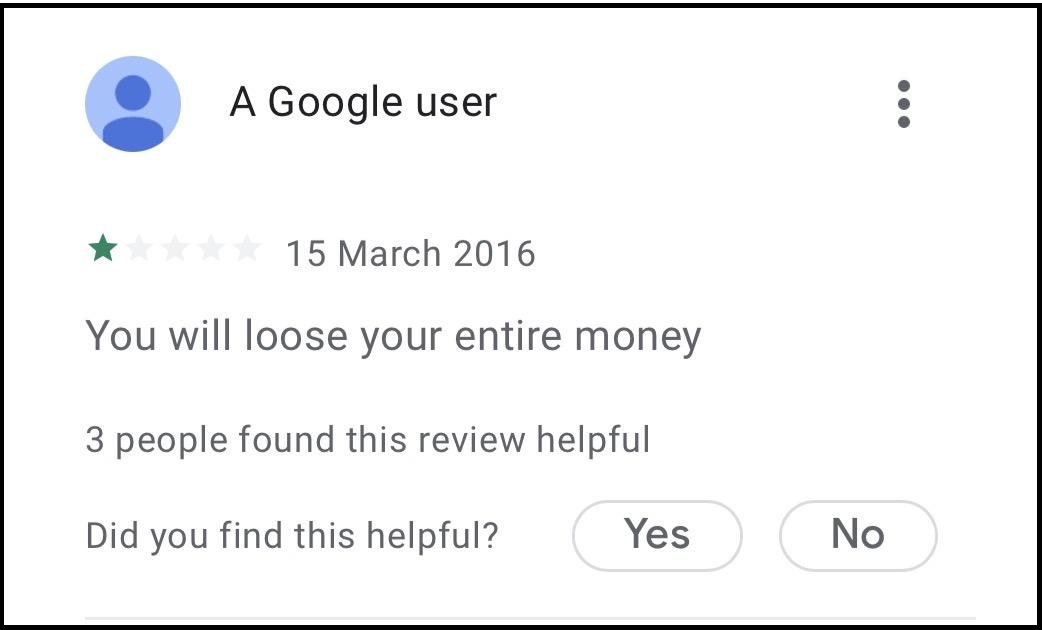
Short as the review is, 3 people found it helpful, and the date is worth noting too.
It predates Mayank Raj’s course business at its current scale, which points to this being a review of the separate, older CFD-based TradeRoom app rather than the educational app or course.
2. Execution Delays and High Per-Trade Fees
A reviewer describing themselves as a full-time trader left a detailed complaint about the same CFD-based app, stating it takes five separate steps just to place a single order, with no way to buy and sell at the same time.
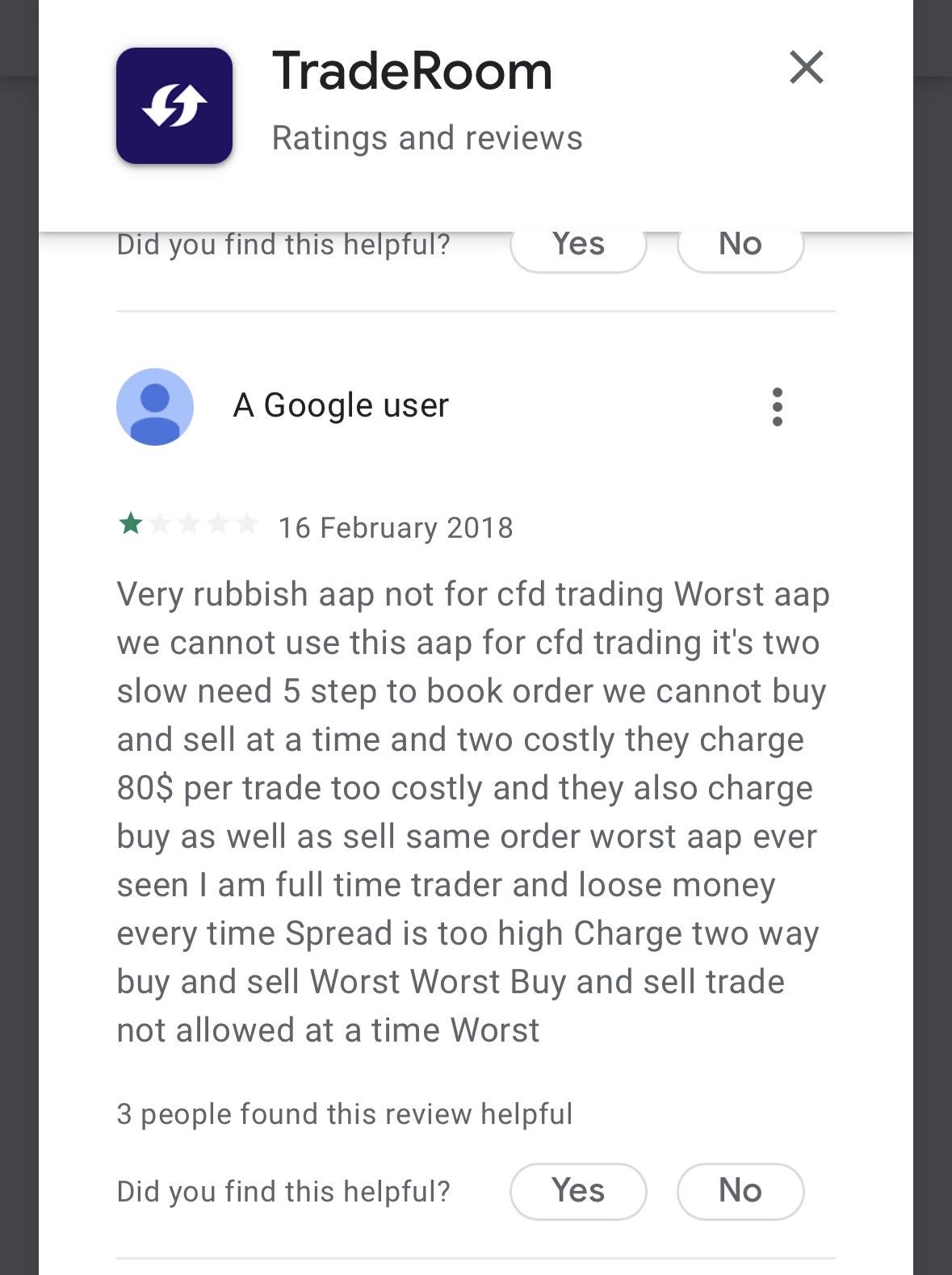
They flag the cost structure directly, stating the app charges $80 per trade and applies fees on both the buy and sell side of the same order, calling the spread too high and the slow execution a direct cause of repeated trading losses.
The Trade Room Impersonation Scam
Beyond the course itself, there’s a completely separate problem: scammers borrowing the Trade Room name entirely, with no real connection to Mayank Raj or his actual platforms.
Because the genuine app is popular and trusted, fraudsters copy its name to approach unsuspecting traders.
This pattern is a textbook impersonation scam, and most of these scams begin through WhatsApp groups, Telegram channels, or random messages on Facebook and Instagram.
A legitimate operation will never contact you first on WhatsApp or Telegram promising guaranteed profits. Scammers favour these channels specifically because they’re difficult to trace.
They build trust, promise unrealistic returns, then push victims toward installing fake apps or handing over account access.
Some of this activity runs through Telegram specifically, and if you’ve been approached through a channel using this name, the full breakdown of how that specific pattern works is covered on our The Trade Room Telegram Channel review.
The Trade Room Complaints: A Real Case
Here’s one documented case that shows exactly how this plays out for a real person.
A victim joined a WhatsApp group and a Telegram channel using the Trade Room name. A man calling himself Rakesh Kumar Meena contacted him directly, claiming he managed trading accounts on a profit-sharing basis.
The pitch was simple: “You earn the profits, I take only 10%.”
That framing should raise an immediate question. If someone can guarantee profits, why would they only take 10% instead of trading with their own capital?
The victim trusted him regardless and shared access to his trading account. The scammer then executed unauthorised trades, resulting in a loss of ₹43,000, and had already collected ₹50 upfront as a so-called service fee.
Once the damage was done, the scammer vanished entirely. No replies, no accountability, no way to reach him again.
No one, under any circumstances, is allowed to trade on your behalf without the proper Portfolio Manager licence.
Account handling arrangements like this one are already a violation of the rules before any loss even occurs.
How to File a Complaint Against The Trade Room?
Your complaint route depends entirely on which problem you’re actually facing, since these are two different situations with two different processes.
If you paid for the course and ran into missing content, a broken app, or unresponsive support, this is a consumer and regulatory issue, follow the steps below.
If you were approached by an impersonator promising managed trading or guaranteed profits, this is a scam, and it needs a different, faster path, covered right after.
If You Paid for the Course
Step 1: Organise Your Evidence
Take clear screenshots of missing videos, login errors, or empty course dashboards. Save your UPI receipts, bank transfer statements, or card invoices showing the exact fees paid.
Step 2: Contact the Platform Directly
Send a formal email to their support address using a clear subject line, something like “Official Grievance Redressal – Service Deficiency and Refund Demand.” Attach your evidence and detail the exact issue.
Step 3: Report to SEBI’s Enforcement Desk
Since the entity holds no registration, draft a factual email describing the commercial activity and send it directly to SEBI’s enforcement channel.
Our guide on how to complaint in SEBI walks through exactly what to include so your report doesn’t get overlooked.
Step 4: Follow Up Persistently
If the support desk goes silent for more than 7 days after your refund demand, reply to your existing email thread daily to maintain pressure and keep the paper trail active.
If You Were Targeted by an Impersonator
Stop all further activity immediately and preserve every piece of communication, screenshots of promises made, claims shown, and any payment requests.
File a report through the cyber crime portal, uploading your screenshots, transaction records, and any messages exchanged, then track your complaint using the reference number you’re issued.
You can also file an FIR at your local police station or cyber cell, providing complete details in writing, and keep a copy of the FIR for your own records.
The sooner you report either type of issue, the better your chances of limiting further damage and recovering what you can.
Legal Disclaimer: The information provided in this blog post is for educational and informational purposes only and is based entirely on publicly available mobile application marketplace reviews, user feedback on consumer forums, and regulatory guidelines. We do not make any independent legal claims, accusations, or definitive assertions regarding the personal character, legitimacy, or operational authenticity of Mayank Raj or The Trade Room.
Conclusion
The Trade Room is really three separate things wearing one name. The educational app is genuine.
The paid course carries real, documented problems, no regulatory protection, disappearing content, and a support team that goes quiet once payment clears.
And separately, scammers have weaponised the same name to run outright fraud through WhatsApp and Telegram.
None of this is about one company or one bad actor. It’s about a pattern: popularity attracts both legitimate confusion and deliberate impersonation, and only careful verification protects you from either.
If you’re facing a course dispute, document everything and follow the consumer and SEBI route. If you’ve been targeted by someone promising to trade on your behalf, that’s not a grey area; report it immediately through cybercrime channels.
Report. Recover. Stay Fraud Free.
Frequently Asked Questions
Yes, the free educational app built by Mayank Raj is legitimate, holds a 4.7 rating, and doesn't request trading account access. The separate paid course is where the real concerns apply.
Yes. Under the Consumer Protection Act, failing to deliver a paid product is a deficiency of service. Keep your payment receipts and screenshots of the empty dashboard to support a refund complaint.
No. Official records show no SEBI registration for Mayank Raj or The Trade Room as a Research Analyst or Investment Adviser, which means students have no regulatory protection if the advice causes losses.
If there's no response after 7 calendar days, escalate immediately. Compile your evidence in chronological order and submit a formal complaint to SEBI's enforcement channel reporting the unregistered commercial activity.




 Add us as a preferred source on Google »

