
Quick Summary
Unauthorized trading by a research analyst is illegal in India. A research analyst can give you buy, sell, or hold calls, but they cannot place trades in your account without your clear permission. The phrase can mean two things: an analyst trading your account without consent, or an analyst secretly trading the stocks they recommend to you for their own gain. SEBI treats both as violations and has acted on them, cancelling one analyst’s licence and fining another firm ₹30 lakh. This page explains both meanings, shows the real SEBI orders, and tells you what to do if it happened to you.
You saw a trade in your account that you never approved. Or you found out your analyst was quietly trading the same stocks they told you to buy.
Either way, you are asking the right question: Is this even legal?
It is not.
This page explains what unauthorized trading means, what SEBI actually did about it in real cases, and what you can do next.
Is Unauthorized Trading by a Research Analyst Legal?
No. It is not legal. Not even slightly.
A SEBI-registered research analyst has one job: to publish research and provide general buy, sell, or hold recommendations. That is where their authority ends.
It helps to be clear about what a SEBI registered research analyst can do because the boundary is narrow.
They cannot place trades on your behalf. They cannot access your demat account. They cannot make trading decisions for you without your clear, written instructions.
The moment an analyst steps past advising, by placing trades, accessing your account, or executing orders you did not approve, that becomes unauthorized trading.
And it breaks two sets of SEBI rules at once: the Research Analysts Regulations, 2014, and the anti-fraud rules known as the PFUTP Regulations, 2003.
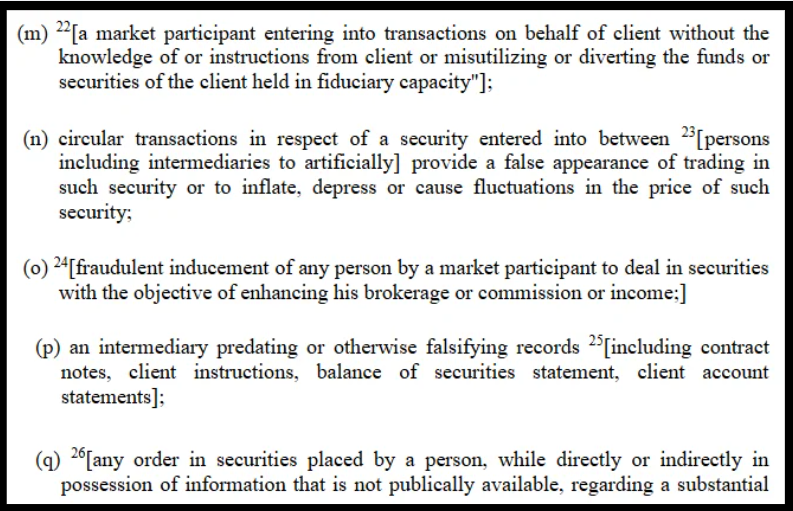
Analysts also operate under strict SEBI guidelines for RA that demand honesty and respect for your interests.
The Two Meanings of “Unauthorized Trading”
This phrase confuses people because it can point to two different problems.
It helps to know which one you are dealing with, because the evidence and the fix are slightly different.
Meaning 1: The Analyst Traded Your Account
This is the one most people mean. You gave an analyst access, or they got hold of your login, and they placed trades you never approved.
This is a direct violation.
A research analyst has no right to touch your account at all, with or without your password. If trades appear that you did not authorise, the analyst has crossed a hard line.
Meaning 2: The Analyst Traded the Stocks They Recommended to You
This one is quieter, and many investors never notice it.
A research analyst is not allowed to trade in a stock 30 days before and 5 days after they publish a recommendation on it.
Why? Because if they buy a stock, then tell you to buy it, your buying pushes the price up, and they profit.
That is a conflict of interest, and the rule exists to stop it.
So even if the analyst never touched your account, trading their own recommended stocks inside that window is still a violation.
This is its own detailed subject, and exactly can SEBI registered research analyst trade the stocks they recommend is answered in full on its own page.
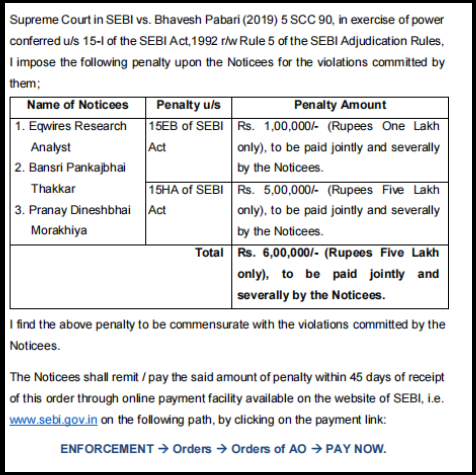
Real SEBI Action Against Unauthorized Trading
What to Do If Trades Appeared Without Your Permission?
If you have found unauthorized trades, a few quick actions can protect your position.
Save everything first. Screenshot every recommendation, WhatsApp message, and email. Download your broker’s trade log showing the exact dates and times of the trades you did not approve.
Cut off access. If you ever shared your login, OTP, or password, change it now and revoke any access you granted.
Check the registration. Look up the analyst’s number on SEBI’s official portal and confirm it is real, active, and belongs to the right entity.
If the trades were placed in your own account after you handed over access, and you are now sitting on a loss, that specific situation, with the proof you need to win it, is covered in detail in our guide on what to do when a registered analyst ran my account.
Found trades in your account that you never approved?
We will map the unauthorized trades against your own records, pin down the exact SEBI rule that was broken, and build your case.
How to Report Unauthorized Trading?
Because the analyst is SEBI registered, you have a full, formal route to report them and seek your money back.
It starts with a written complaint to the firm, then moves to SEBI’s official channels, and can end in binding arbitration.
The complete step-by-step process is set out in our guide to filing a complaint against SEBI registered research analyst.
Written evidence of unauthorized trades carries real weight at every stage, which is why saving your records early matters so much.
Conclusion
Unauthorized trading by a research analyst is not a small compliance slip.
It is a genuine breach of the rules meant to protect your money.
An analyst’s registration lets them analyse and recommend. It does not let them place trades in your account, and it does not let them secretly trade the stocks they push to you.
The CapitalVia and Purooskhan cases show SEBI does act, with real fines and cancelled licences. But enforcement after the fact does not undo your losses.
Your best protection is knowing the boundary, checking every registration yourself, and acting fast the moment something looks wrong.
Frequently Asked Questions
Yes. A research analyst can only give recommendations. Placing any trade in your account without your clear permission is unauthorized trading and breaks SEBI rules.
Not freely. They cannot trade a stock in the 30 days before or 5 days after recommending it. Doing so is a conflict of interest and a violation.
Yes. The Purooskhan case shows that a real number can be misused. A valid registration does not mean every action taken under it is legal. Always verify on SEBI's own portal.
Your broker's trade log showing the dates and times, plus any messages where access was requested or trades were discussed. Together, they show trades you did not authorise.
You can pursue it through the formal complaint route. Recovery depends on your evidence, which is why saving your trade logs and messages early is so important.





 Add us as a preferred source on Google »

