
Quick Summary
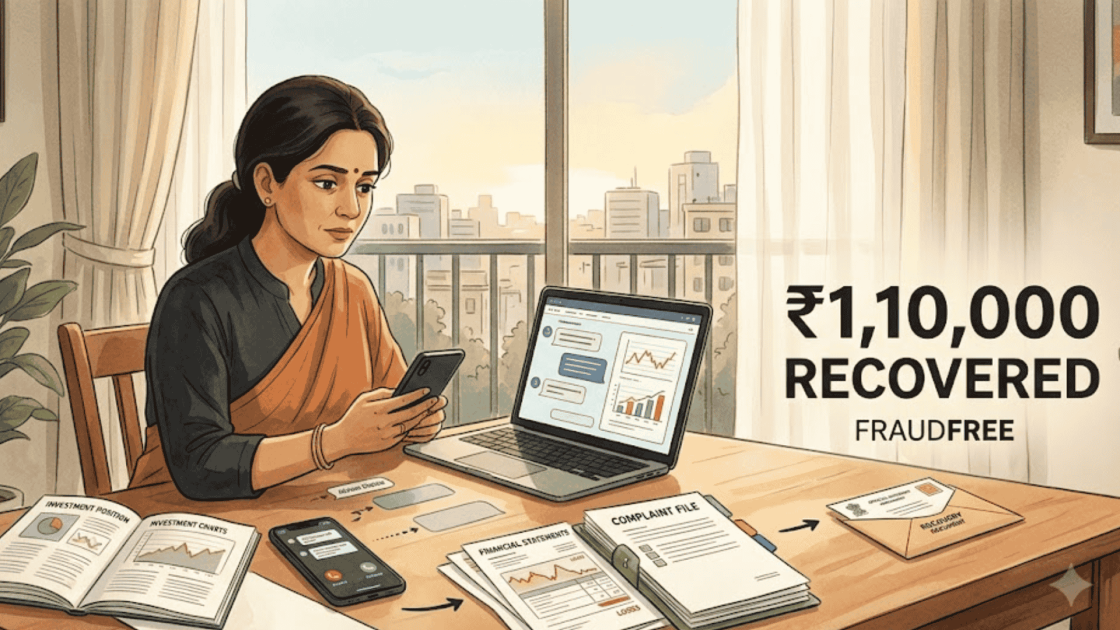
Sunita Ramesh (name changed) was midway through an active advisory relationship when her entire support team stopped responding without warning. Her claim reached 1,60,000. No fee dispute was involved, since the loss came from positions left unmanaged once the team disappeared. Our team recovered 1,10,000, a 68.8 percent share.
Sunita (name changed) had been working with an advisory firm for several months, following recommended positions and adjusting them based on regular calls from her assigned adviser.
In the middle of a set of open positions, the calls stopped. Her adviser did not answer, the office number went unreachable, and no one from the firm responded to her messages for over two weeks.
During that gap, several of her open positions moved sharply against her, with no guidance available on whether to hold, exit, or adjust. By the time she managed to reach anyone, the damage to her portfolio was already done.
A SEBI-registered investment adviser who takes on an active advisory relationship carries an ongoing obligation to that client, not just at the point of sale.
Disappearing mid-engagement, while a client holds open positions built on the firm’s own recommendations, is a failure of that obligation.
This case did not turn on any single fee payment. It turned on the abandonment itself, and the losses that followed directly from it.
How Our FraudFree Team Built the Strategy & Legal Case?
The strongest evidence was not a single message or trade. It was the timeline showing exactly when Sunita stopped receiving support and what happened to her portfolio during that gap.
Step 1: Establish the communication breakdown
We identified the last successful call and the first unanswered message. This created a clear timeline showing when regular advisory support ended.
Step 2: Connect the silence to the losses
We tracked Sunita’s open positions throughout the two weeks. This showed how the portfolio moved while she was repeatedly trying to reach the firm for guidance.
Step 3: Show why the gap mattered
We presented the issue as more than a missed call. Sunita was still holding positions based on the firm’s recommendations, making the continued lack of communication particularly significant.
Step 4: Put the timeline at the centre of the complaint
Our complaint through the SEBI SCORES portal placed the dated communication gap alongside the portfolio losses, allowing the sequence of events to be seen clearly.
The firm later attributed the silence to an internal staffing issue. We challenged that explanation by pointing out that an internal staffing problem does not, by itself, explain why a client with open advisor-recommended positions was left without support.
How Our Team Recovered 93% of the Advisory Losses?
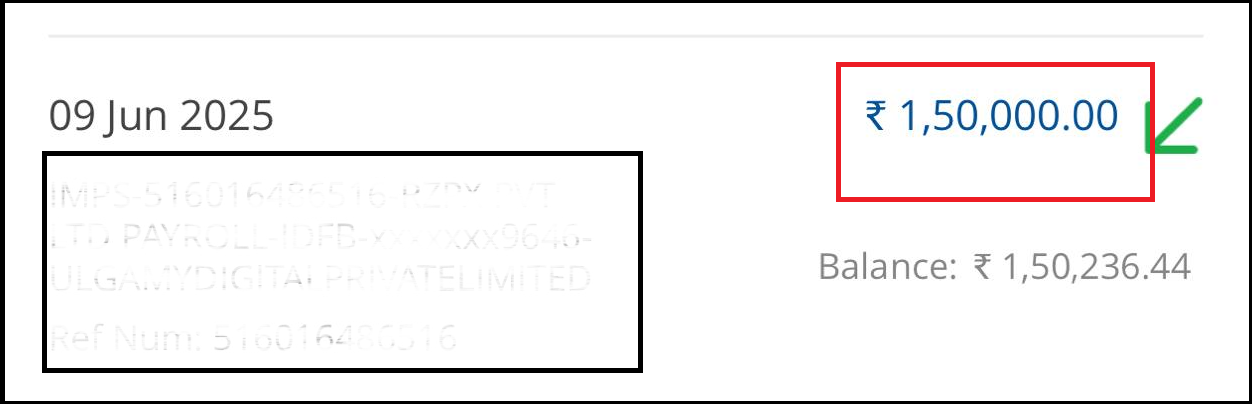
With the communication gap clearly dated and the resulting losses documented, the firm agreed to settle. Sunita recovered ₹1,50,000 of her ₹1,60,000 claim, representing a 93.75% recovery.
The matter was resolved without becoming a dispute over whether any individual recommendation was right or wrong.
Did your advisor disappear while your money was still tied up in open positions?
Register with us if your advisory team went silent while you held open positions. We will review the timeline for free.
Conclusion
An advisory relationship does not end the moment a fee is paid. It continues for as long as a client holds positions built on that advice.
If your adviser has gone silent while you hold open positions, mark the exact date communication stopped. That single date can become the spine of your entire complaint.
Where a firm resurfaces only after a complaint is filed, our team escalates through the SMART ODR portal to keep pressure on an unresolved file.
Report. Recover. Stay Fraud Free.
Frequently Asked Questions
Silence alone is a service failure. It becomes a stronger complaint when it coincides with open positions that moved against you during the gap.
A late response does not erase the gap. Document the dates of the silence and any losses that occurred during that specific window.
You need to show the positions were open and advisor-recommended during the gap, and that no guidance was available while they moved. Our team helps build that connection.
Sunita's claim centred entirely on losses from unmanaged positions rather than a disputed payment, which is why the case turned on abandonment rather than billing.





 Add us as a preferred source on Google »

