
Quick Summary
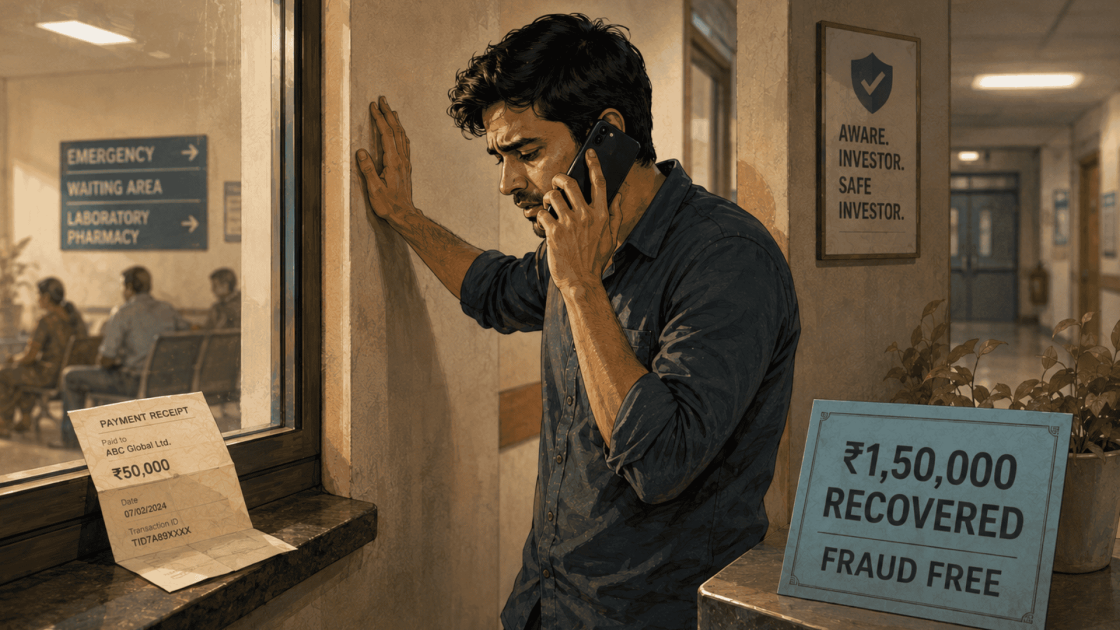
Divyansh Singh (name changed) asked for his money back during a family hospitalisation and was told no in plain words. That refusal is what built the case. A firm registered as a Research Analyst had been giving him live, trade-by-trade calls, at one point pushing him to sell off his own existing portfolio. When the hospitalisation forced him to request a refund, the firm turned him down outright. His initial claim totaled ₹2,28,737.70: ₹1,50,000 in fees plus ₹78,737.70 in trading losses. The matter went to Smart ODR after a formal legal notice and settlement demand, and closed with a final recovery of ₹1,50,000.
Divyansh Singh (name changed) began receiving calls and messages from representatives of a firm registered with SEBI as a Research Analyst. They offered trading recommendations and pushed him to pay quickly.
He paid ₹1,50,000 across five transactions within two days, without clear fee terms explained in advance. The pressure to pay fast left little room to read anything closely.
What followed was not research delivered to a wide audience. It was personal, live direction over WhatsApp and phone calls, entry by entry and exit by exit.
Anyone in a similar position with a firm holding only a research licence can file a complaint against a SEBI registered research analyst using the same evidence trail we built here.
Trade Calls That Came With A Payment Demand Attached
On one recorded call, Divyansh was told to exit a live position immediately. Within the same call, he was asked to pay ten thousand rupees within five minutes so a new trade could be placed.
He paid under that pressure, twice, in small amounts framed as needed to finish his onboarding. This blurred trading direction and fee collection into a single, rushed transaction.
Pushed To Sell His Own Portfolio
Divyansh held a small set of stocks he had picked through his own research. On a call, he was pushed to exit every one of them, using unrelated global events as the reason.
He was told this would free up funds for trades the firm would recommend instead. He complied and sold a portfolio he had built independently, worth close to twenty-seven thousand rupees.
The Emergency Call
When losses started mounting, Divyansh asked for his fee back. He explained that a family member had been hospitalised and he needed the funds for her treatment.
The response on record was blunt. He was told a refund was not possible, that he had paid by his own choice, and that policy did not allow exceptions for personal circumstances.
In place of a refund, he was promised that continued trading would recover his losses within fifteen days. That promise kept him trading instead of getting his money back.
The Recovery Strategy: How Our Team Took It Forward
This case had unusually strong evidence. Multiple calls were on record, in the client’s own language, capturing both the trade direction and the refund refusal in the firm’s own words.
Step One: We Preserved Every Recording And Message
Call recordings, WhatsApp threads, and payment screenshots were compiled into a single timeline. Nothing was left to memory. Every claim in the complaint traced back to a dated, timestamped source.
Step Two: We Flagged The Consent Violation
During onboarding, Divyansh’s digital signature process failed to complete properly. A representative asked him to share his OTP directly so she could finish the process from her side.
An OTP exists so a client can authenticate a document in their own hand. Asking for it defeats that purpose entirely. We treated this as a standalone breach of consent, separate from the trading violations.
Step Three: We Built The Invoicing Discrepancy Into The Claim
Divyansh was verbally quoted one figure and later invoiced a different one, with no tax breakdown shown on either invoice. We documented this gap as evidence of non-compliant fee practice.
Step Four: We Sent A Formal Notice With A Firm Deadline
Our notice detailed six distinct violations, from unauthorised live calls to the refund refusal, each tied to a specific SEBI regulation. We gave the firm five business days to settle in full.
Step Five: We Escalated To Smart ODR
When the deadline passed without a satisfactory response, we moved the matter to Smart ODR. Structured mediation on that platform put the recorded evidence in front of a neutral process.
Final Outcome on Recovery After Refund Refusal
Our client’s total claim stood at ₹2,28,737.70, covering the unrefunded fee and the trading losses that followed the personal call-directed trades.
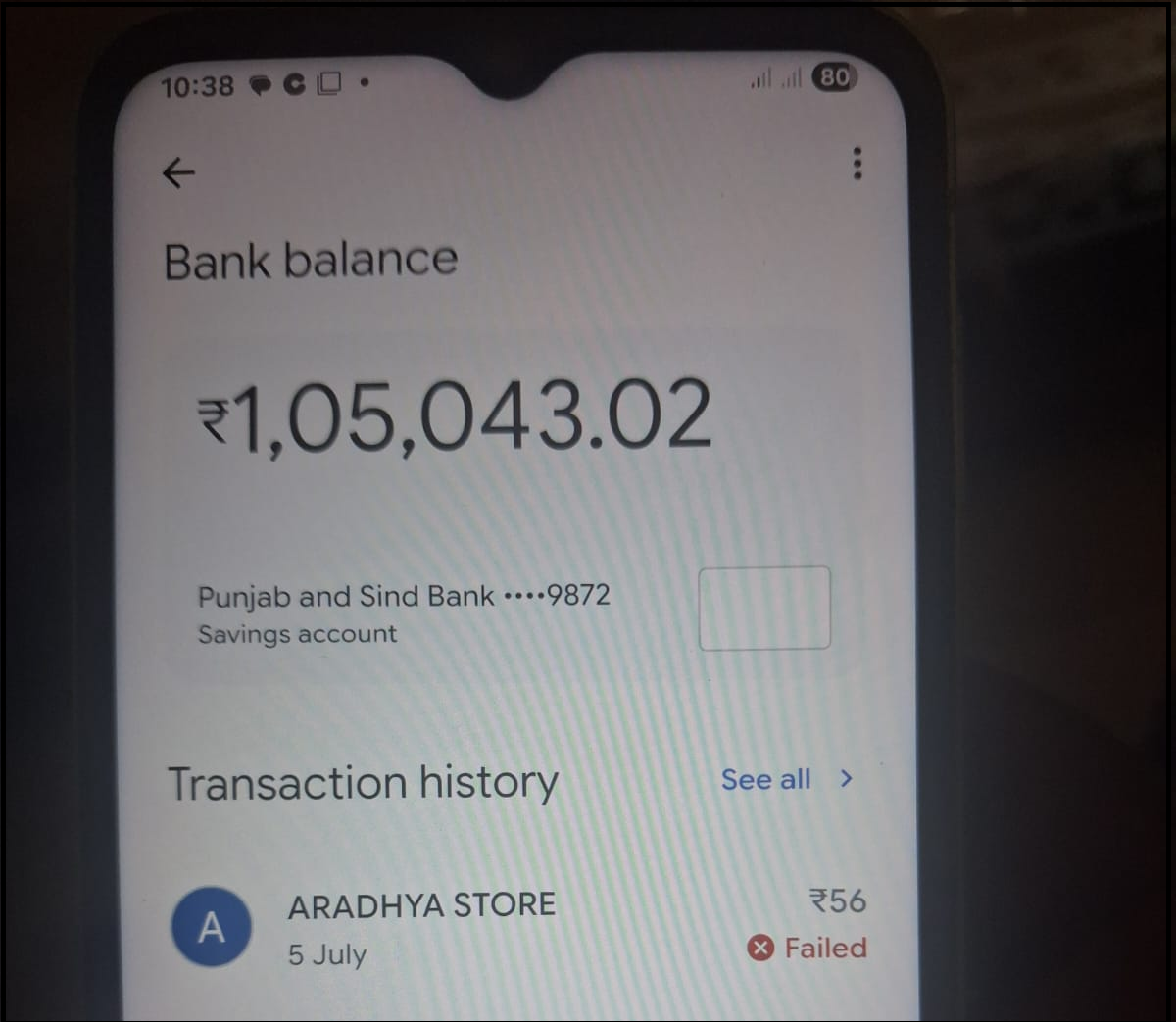
Through the Smart ODR process, the matter was resolved with a recovery extending up to ₹1,50,000. This restored the fee that had been flatly refused during a genuine family emergency.
The screenshot below captures a part of the recovery that reached his account.
For our client, the recovery mattered less than being heard. A firm that once said no on a recorded call ultimately had to pay through a formal, documented process.
Anyone denied a refund the same way can raise it through the Smart ODR complaint portal once a written notice has already been sent.
Denied A Refund You Were Owed? Our Team Can Help
Refusal isn’t the final word. Our team traces every call, message, and payment into a documented timeline, flags violations the firm hopes go unnoticed, and pushes the case through a formal notice and Smart ODR until it’s resolved. Register with us.
Conclusion
If a research analyst has refused your refund, pressured you into trades, or asked for an OTP that was never theirs to hold, do not wait for the next call. Talk to our team today.
Report. Recover. Stay Fraud Free.
Frequently Asked Questions
Payment alone does not waive your right to raise a grievance. A blanket refund refusal, especially during a disclosed emergency, can itself be a violation.
No. An OTP authenticates your own consent. No representative should ever ask you to share it so they can complete a step for you.
Inducing you to liquidate independently held positions to fund advisor recommended trades falls outside what a Research Analyst is permitted to do.
Smart ODR offers structured mediation and arbitration for a faster resolution. SCORES is SEBI's own grievance portal. Both can support the same underlying claim.
Save call recordings if you have them, full WhatsApp threads, payment screenshots, and every invoice you were issued, however incomplete.





 Add us as a preferred source on Google »

