

Quick Summary
The trap didn’t start big. It started at eleven thousand rupees, backed by a handful of screenshots showing other people’s profits and everything that followed was built on that one small early win. What Mukesh (name changed) claimed eventually reached ₹5,80,000, split between ₹1,80,000 in fees and ₹4,00,000 in trading losses. A firm registered as a Research Analyst upsold the client’s small package into a much larger one, sealing the deal with guaranteed-profit language. From there, whenever a position slipped into loss, the firm pushed the client to add more capital instead of cutting it. The case reached the stage of direct counselling with the firm, backed by a formal legal notice, and closed with a recovery of ₹2,25,000.
Mukesh Raj (name changed) received a call from a representative of a firm registered with SEBI as a Research Analyst. The call opened with screenshots of other clients’ alleged profits, sent over WhatsApp to build quick trust.
He paid around eleven thousand rupees for an entry-level package. Trading calls followed soon after, and one of the earliest trades did show a small profit. That single win became the hook for everything that came next.
From Eleven Thousand To Two Lakh Fifty Thousand
Once trust was established, the representative began pushing our client toward a much larger package worth roughly two and a half lakh rupees. The pitch leaned entirely on guaranteed outcomes.
He was told he would pull ten lakh rupees out of this package and was told his losses would be recovered within a week. He was told no trade given to him would ever go into loss.
No genuine research service promises outcomes like these. Every one of these lines is a guarantee of return, and SEBI rules treat guaranteed return language as a clear violation on its own.
Firms making claims like these can be reported through a complaint against a SEBI registered research analyst, and the message trail is usually the strongest evidence available.
Hold And Add, Instead Of Exit And Protect
Once losses began appearing, the advice never shifted toward caution. Mukesh was repeatedly told to hold losing positions and deploy additional capital to recover them.
Messages like “capital 50k rakh dijiye” and “amount dalo loss recover karwa dunga” appear again and again throughout the engagement. Every dip in the account became a reason to add more money, never a reason to step back.
This is the opposite of sound risk management. Genuine advisory practice calls for defined stop losses and position sizing discipline, not repeated instructions to add capital into a losing trade.
Advice Given Where No Record Would Survive
Nearly all of the trading calls arrived through WhatsApp rather than any recorded, retained channel. SEBI rules require research analysts to maintain and preserve records of client interactions and recommendations.
Routing personalised advice through a channel unlikely to be preserved is itself a separate lapse. It leaves the client with no formal trail unless they think to save every message themselves.
The Fighting Strategy: What Our Team Handled This Case
This case leaned heavily on the client’s own WhatsApp archive. Our first task was making sure every message that mattered had been preserved before anything could be deleted or lost.
Step One: We Secured And Dated The Full Message Trail
Every screenshot, every guaranteed return message, and every hold and add instruction was compiled into a single dated record. This became the backbone of the complaint.
Step Two: We Separated The Package Upgrade From The Original Fee
The jump from an eleven thousand rupee entry package to a two and a half lakh rupee package was documented as its own event, tied directly to the guaranteed return language used to justify it.
Step Three: We Matched Each Message To A Specific Regulation
Guaranteed return promises, missing record keeping, and the absence of any risk disclosure were each linked to the exact SEBI regulation and circular clause they breached.
Step Four: We Sent A Formal Complaint To The Firm’s Compliance Team
Our notice requested an internal investigation, complete records of all advisory communication, and a clear response within a defined timeline. It set out the full financial claim in detail.
Step Five: We Moved Into Direct Counselling
Rather than waiting out a silent response, our team engaged directly with the firm’s compliance function. This kept the matter moving without immediately escalating to a formal portal.
Final Outcome And Recovery
Our client’s total claim stood at ₹5,80,000, covering both the escalating fees paid across two packages and the trading losses that followed the hold and add pattern.
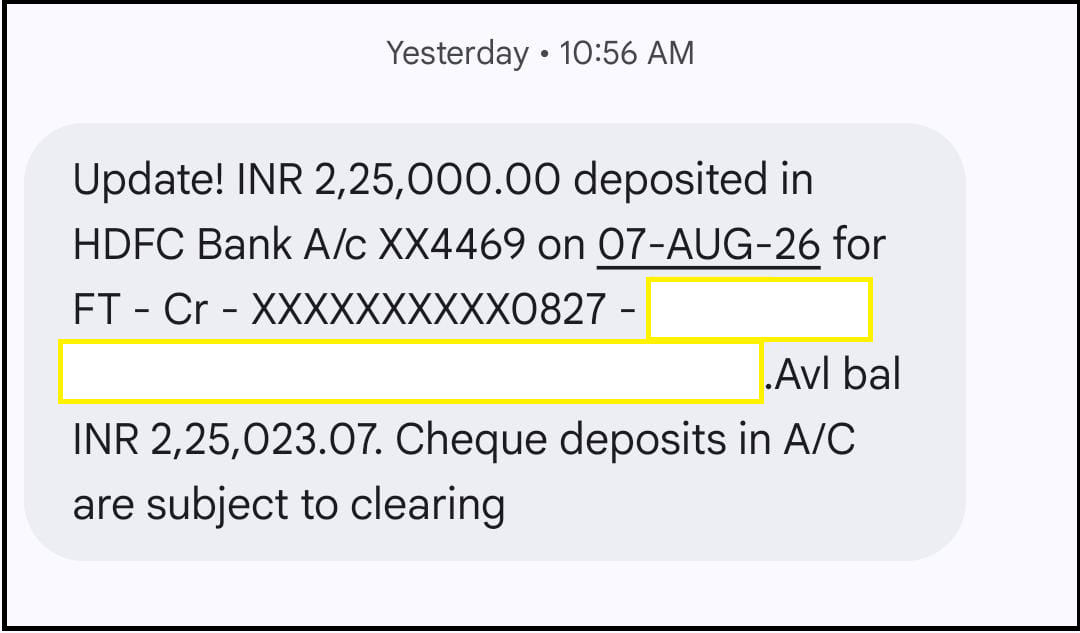
Through direct counselling backed by the documented message trail, the matter was resolved with a recovery of ₹2,25,000. This came without needing to escalate to a formal regulatory portal first.
Fell For Hold And Add Advice? We Can Help
Being pushed to add capital after every loss isn’t advice; it’s a documented pattern. Our team traces message trails, separates package upgrades from original fees, and matches each guaranteed-return claim to the regulation it breaches. Register with us.
Conclusion
If a small profit was used to sell you a much bigger package, and every loss since then has been met with instructions to add more money, that pattern is well documented and worth challenging directly.
If counselling does not resolve a similar case, a SEBI intermediary complaint remains available as the next formal step.
Report. Recover. Stay Fraud Free.
Frequently Asked Questions
No. Any promise of a specific return or guaranteed recovery is a violation on its own, regardless of how the trade later performs.
Repeated instructions to add capital into losing positions benefit the advisor's fee structure far more than they benefit the client's account.
Yes. Saved WhatsApp messages are valid evidence, and the absence of a formal record on the firm's side is itself a separate violation.
Counselling is a direct, informal negotiation with the firm's compliance team. A formal complaint through SCORES or Smart ODR follows only if counselling does not resolve the matter.
Save the messages that led to that upgrade immediately. That sequence is often the clearest evidence of induced escalation.





 Add us as a preferred source on Google »

