
Quick Summary
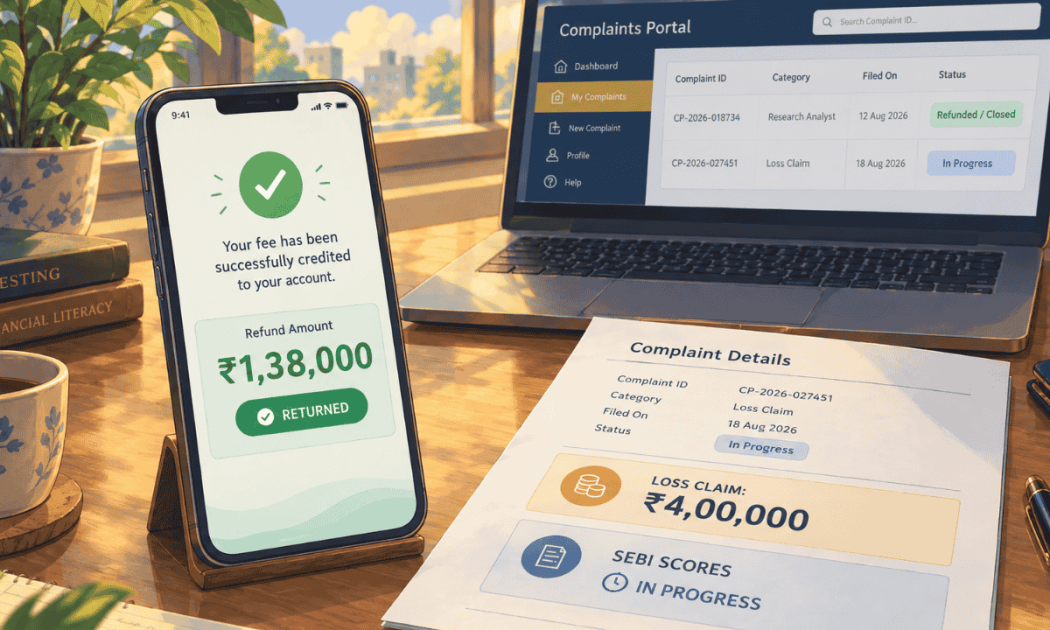
Initial Claim: ₹1,38,000 in fees plus ₹4,00,000 in trading losses Core Violation: A firm registered as a Research Analyst promised sure shot recommendations, charged fees across multiple payments for advisory services, and directed trades in the client’s demat account that produced substantial losses. Forum Used: Direct negotiation for the fee component, with the loss component now proceeding through SEBI SCORES. Recovery Secured: ₹1,38,000, the full fee amount, with the loss claim currently under process. Sunil Rathi (name changed) is from Ranchi, Jharkhand. His fee claim closed quickly. His loss claim is a different kind of fight entirely, and it is still being fought.
Sunil was approached by a firm registered with SEBI as a Research Analyst, whose team promised high returns and what was described to him directly as sure shot recommendations.
A promise framed this confidently leaves little room for the ordinary uncertainty that comes with any genuine market advice.
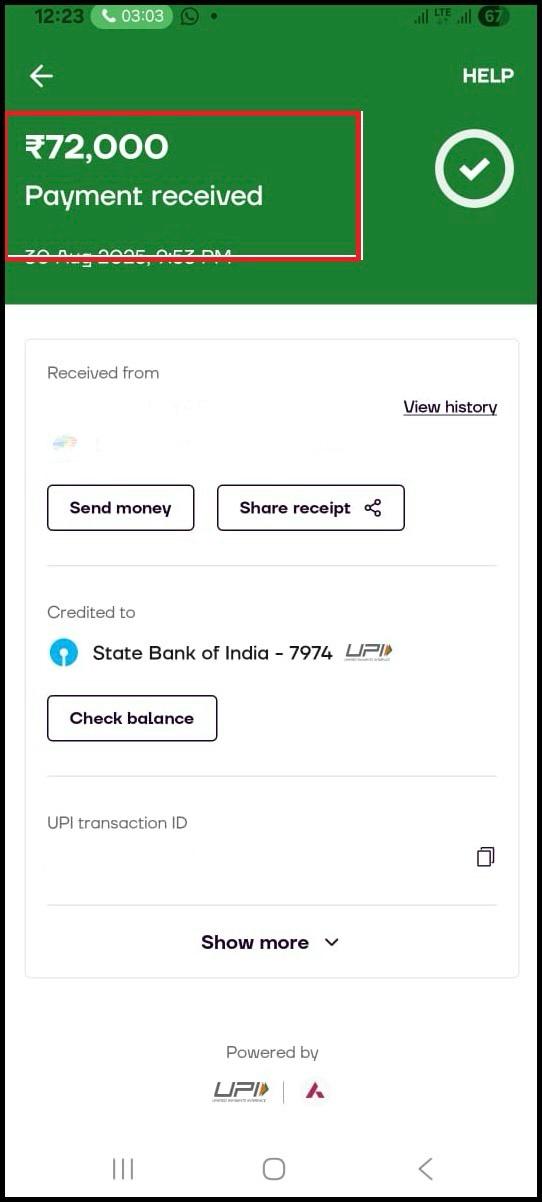
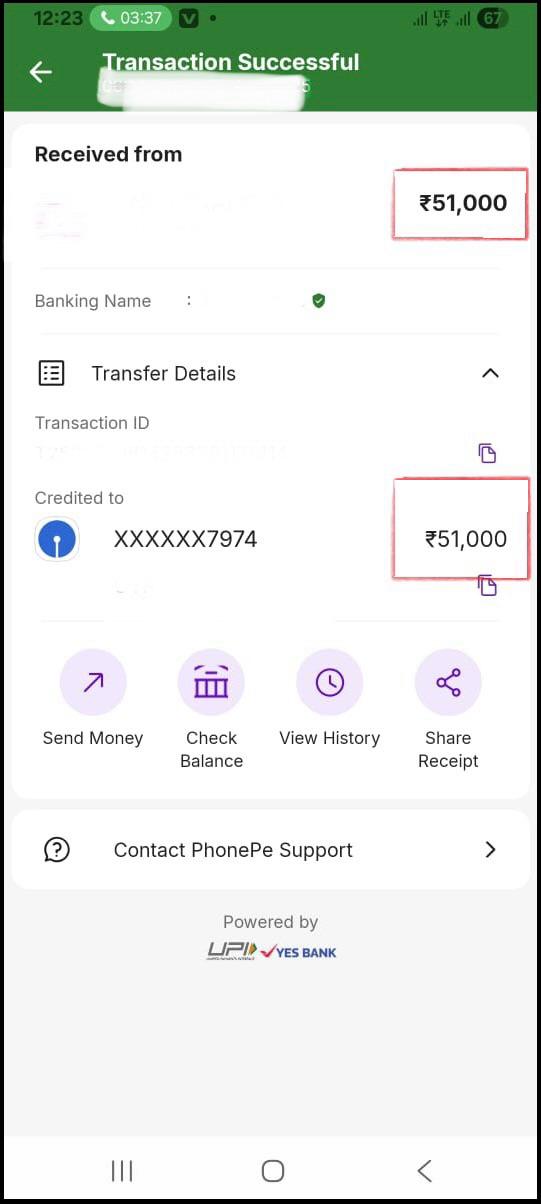
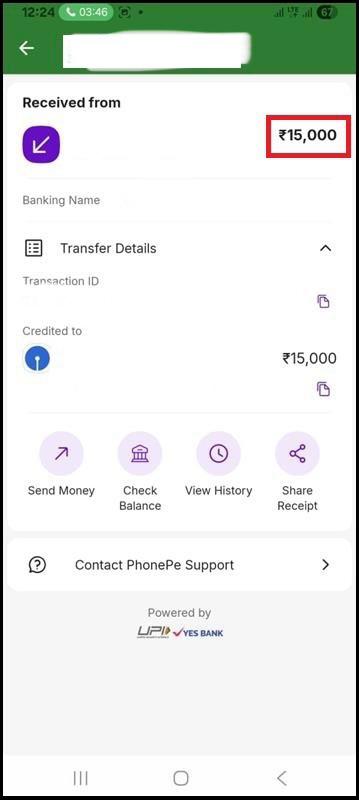
Over the course of the engagement, Sunil paid a total of ₹1,38,000 across various charges, all collected under the general pretence of advisory services.
Trades Placed With No Compliance Logic Behind Them
Acting on the firm’s guidance, trades were placed in Sunil’s demat account that he later described as lacking any real market logic or compliance discipline. The results matched that description. His trading losses across the engagement reached ₹4,00,000.
Repeated assurances accompanied the mounting losses, the same pattern seen across many cases of this kind, confidence maintained even as the outcomes told a very different story.
Anyone promised results framed with this kind of certainty can file a complaint against SEBI registered research analyst, since language promising sure-shot outcomes is itself a documented violation regardless of how the trades eventually performed.
Two Claims, Two Different Evidence Paths
The fee Sunil had paid and the losses he had suffered were not, in practice, the same kind of claim. The fee claim rested on clear, simple documentation, payment records showing exactly what had been transferred and when.
The loss claim required something more involved, establishing that the specific trades causing the loss were directly attributable to unsuitable or improperly disclosed advice.
This distinction matters. A fee paid without proper consent or disclosure can often be recovered relatively quickly, once the payment trail is clear. Demonstrating that a specific trading loss flowed from a specific regulatory violation takes more building.
How We Moved the Simple Claim Fast While Building the Larger One
Recognising the different evidentiary weight behind each claim shaped how this case was structured from the outset.
Step One: We Separated the Fee Claim From the Loss Claim Immediately
Rather than treating the full ₹5,38,000 as one undivided demand, we split it into two distinct heads from the very first notice, each supported by its own specific evidence.
Step Two: We Built the Fee Claim Around Clean Payment Documentation
Every payment Sunil had made was compiled with dates and amounts, giving the fee claim a straightforward, difficult to dispute foundation.
Step Three: We Began Constructing the Causal Case for the Trading Losses
For the loss claim, we started matching specific trades to the specific recommendations behind them, building the more detailed evidentiary chain this kind of claim requires.
Step Four: We Sent a Legal Notice Covering Both Claims Together
Our notice presented both heads of claim side by side, allowing the firm to resolve the more straightforward fee component while the loss investigation continued.
Step Five: We Secured the Fee Refund Through Direct Negotiation
With the payment trail clearly documented, the fee component was resolved relatively quickly through direct engagement with the firm.
Step Six: We Filed the Loss Claim Formally Through SEBI SCORES
For the more complex loss component, we moved the matter into SEBI’s formal grievance process, where the detailed trade-level evidence could be properly reviewed.
Direct negotiation has already returned the full ₹1,38,000 in fees. The ₹4,00,000 loss claim is currently proceeding through SEBI SCORES.
Have Both A Fee Claim And A Bigger Loss Claim Against The Same Firm? Our Team Can Help
Sunil’s fee came back fast because the payment trail alone was enough. His loss claim needed more, and that work is still underway. If your situation looks similar, start by separating your own payment records from your trading loss today.
Register with us and we will take it from there.
Conclusion
A fee claim and a trading loss claim against the same firm are rarely equal fights, even when they arise from the same relationship.
Sunil’s case shows why splitting them from the outset lets the simpler, well-documented claim move quickly while the more demanding one gets the depth of evidence it actually requires.
A confident promise like sure-shot recommendations is worth remembering precisely, since language this absolute becomes useful evidence later, well before any losses have even begun to accumulate.
Report. Recover. Stay Fraud Free.
Frequently Asked Questions
A fee claim usually rests on clear payment records alone. A loss claim requires connecting specific trades to specific violations, which takes more detailed evidence to establish.
Yes. Language promising guaranteed or certain outcomes is prohibited for research analysts, regardless of how the underlying trades ultimately performed.
No. The two can be pursued separately, and there is often no reason to delay recovering a well documented fee while a larger claim continues.
SCORES provides a formal, structured process for the regulator to review detailed evidence, which suits claims that need more than a straightforward payment comparison.
Keep your full trade history, every recommendation you received with its date, and any communication describing the strategy or reasoning behind each trade.





 Add us as a preferred source on Google »

