

Quick Summary
Initial Claim: ₹1,31,236.81 Core Violation: A discount broking platform’s own technical fault executed a client’s GTT sell order well below the trigger price he had set, then offered a repurchase instead of a genuine refund. Forum Used: Direct negotiation with the broker, resulting in a final settlement. Recovery Secured: ₹1,19,632, roughly 91 percent of the claim. Waseem Ali (name changed) is from Vijayawada, Andhra Pradesh. His shares sold themselves. Not because the market hit his price. Because the platform holding them made an error he never authorised.
Waseem had placed a Good Till Triggered sell order on his shares in a mid cap company, setting a trigger price of ninety five rupees, well above where the stock was actually trading.
The order carried a validity stretching into early 2026.
On one particular day, without the trigger condition ever being met, the platform sold his entire holding of over five thousand shares at an average price of just over sixty one rupees.
The trigger price was never touched. The sale happened anyway.
Turning a Silent Tech Failure into a Hard Financial Loss
The gap between his set trigger price and the actual execution price translated into a direct capital loss of over ₹1,31,000.
A brokerage charge was then deducted on top of this unauthorised transaction, adding insult to an already faulty trade.
This was not a case of the market moving against him. It was a case of the platform’s own order logic failing to respect the condition he had explicitly set.
Why We Refused a Settlement That Left the Client Exposed to Risk?
When Waseem raised the issue, the platform’s response was to suggest he repurchase the same shares at the current market price, with the broker covering only the difference between the sale and repurchase prices.
This does nothing to address a capital loss already suffered, and it asks the client to take on fresh market risk to fix a problem the platform itself created.
Anyone offered a similar workaround instead of a genuine refund can file complaint against a stock broker, since shifting correction risk onto the client is not a resolution.
How We Used the Platform’s Past Systemic Gaps to Strengthen the Claim?
What strengthened this case significantly was the broker’s own recent regulatory history.
SEBI had settled separate orders against the same platform just days around this incident, citing gaps in business continuity planning, inadequate vulnerability testing, and insufficient support availability during system outages.
These were not accusations Waseem needed to prove from scratch. They were findings the regulator itself had already recorded against the platform’s infrastructure reliability.
How We Converted Unauthorised Order Logs into Real Recovery?
With no human representative to blame, this case rested entirely on order logs, timestamps, and the mathematics of the trigger condition itself.
Step One: We Pulled The Exact GTT Order Parameters
The original trigger price, the order validity window, and the actual execution price were laid out side by side, making the gap between what was set and what happened immediately visible.
Step Two: We Calculated The Precise Capital Loss
The difference between the trigger price and the executed sale price was applied across the full share quantity, establishing an exact, defensible loss figure rather than an estimate.
Step Three: We Rejected The Repurchase Offer In Writing
We formally responded to the platform’s repurchase suggestion, explaining why it failed to address the loss and shifted unacceptable risk back onto our client.
Step Four: We Cited The Platform’s Own Recent Settlement History
The broker’s recently settled regulatory orders around infrastructure and system reliability were referenced directly in our correspondence, adding independent weight to the claim.
Step Five: We Sent A Formal Notice Demanding Full Restitution
Our notice set out the exact loss calculation, the brokerage charge to be reversed, and a clear deadline, treating the matter as a system failure claim rather than a routine dispute.
Step Six: We Negotiated Directly To A Final Settlement
With the order logs and the regulatory context both on record, our team pushed the broker toward a final settlement rather than accepting the original repurchase proposal.
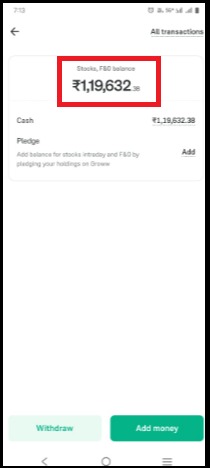
Through this direct negotiation, the matter reached a final settlement of ₹1,19,632, close to the full capital loss originally claimed.
Was Your Order Executed Outside Its Own Trigger Condition? Our Team Can Help
Waseem’s case was won on the numbers alone, his exact trigger price against the actual execution price. If a platform has done something similar to you, pull your order history today before anything else.
Register with us and we will take it from there.
Conclusion
When a broker’s system fails, you shouldn’t have to pay for their mistake. Market volatility is a normal trading risk, but platform glitches and unauthorized executions are not.
If your order was triggered outside your set parameters, you don’t have to accept unfair workarounds or absorb the financial loss.
Our team builds watertight cases using raw order logs, system timestamps, and regulatory precedent.
Report. Recover. Stay Fraud Free.
Frequently Asked Questions
A Good Till Triggered order only executes once the market reaches your specified price. If a sale happens without that price being touched, the execution itself is invalid.
No. It shifts fresh market risk onto the client rather than addressing the capital loss already suffered, and it does not constitute a genuine refund.
Yes. If a platform has recently been penalised for related infrastructure or system failures, referencing that history can add independent weight to your specific claim.
Your original order parameters, the trigger price you set, and the actual execution details from your contract note or trade confirmation are usually sufficient on their own.
Yes. Any fee charged on a transaction that should never have executed is itself part of the loss and should be reversed alongside the capital amount.





 Add us as a preferred source on Google »

