Have you ever felt like your investment concerns were falling into a black hole?
Whether it’s a delay in dividends, a dispute with your stockbroker, or an issue with a listed company, waiting for a resolution can be nerve-wracking.
The good news?
In 2026, the SEBI Complaint Status tracking system is faster and more transparent than ever. Thanks to the rollout of SCORES 2.0, the Securities and Exchange Board of India (SEBI) has overhauled how investor grievances are handled.
In this blog, we’ll walk you through how to lodge a complaint, track your status, and use the new “auto-escalation” features to ensure your voice is heard.
How To Check Complaint Status In SEBI?
After you file a complaint in SEBI, the status is the only way to know if your issue is moving forward or if it has stopped. It tells you who needs to take the next action: you, the intermediary, or the regulator.
Many complaints face delays because investors sometimes miss a required response at the right time. Checking the status on time helps keep your complaint active and stops it from being closed without you knowing.
The SCORES system lets investors track the progress, read replies, and respond when needed.
Filing for status correctly ensures your original complaint continues smoothly without being duplicated.
- Log in Using the Same Registered Details – Access the SCORES portal using the email ID or login details you used to file the original complaint. This ensures your complaint history and any updates are shown properly without any mistakes.
- Use the Complaint Reference Number – Enter your unique complaint number to see the latest progress. This number connects your request directly to your existing complaint, not a new one.
- Carefully read the Current Status Description – Each status shows whether action is needed, a reply has been shared, or a review is required. Reading this carefully helps you understand if you need to respond or just wait.
- Check if Any Action Is Required from Your Side – Some statuses mean SEBI or the intermediary is waiting for your clarification or confirmation. If you ignore this, your complaint might stop moving forward or be closed automatically.
- Respond Only Through the SCORES Portal – Upload clarifications or confirmations directly on SCORES instead of sending emails or making calls. This keeps your response officially recorded with the Securities and Exchange Board of India and avoids confusion.
SEBI Complaint Status Meaning
Once you file a complaint on SEBI’s SCORES portal, you’re not left guessing what happens next. SEBI’s complaint status updates act like progress markers, showing you exactly where your issue stands at every stage of the process.
From the moment your complaint is submitted to the point it is finally resolved, each status reflects a specific step in how SEBI and the concerned entity are handling your case.
Understanding each status helps investors take the right action at the right time and prevents unwanted holdups.
- Submitted / Pending: Your complaint has been filed and given to the right organization. The organization hasn’t started working on it yet and is expected to reply within the set time.
- Under Review: The organization is looking at your complaint and related information. They are getting ready to give you a response or a solution.
- Action Taken Report (ATR) Submitted: The organization has shared its explanation or solution on the portal. You need to check this response and decide if it fixes your problem.
- Satisfied / Closed (by Investor): You have agreed with the response from the organization. Once you confirm, the complaint is closed, and nothing more will happen.
- Review Requested (First / Second Level): You weren’t happy with the response and asked for a higher-level look. SEBI or the right authority will look at the complaint more closely.
- Closed (After Review): The higher-level check has been done by the authority. Based on their findings, the complaint is now officially closed with the final decision.
- Redirected: SEBI has decided your complaint should be handled by another place. You are directed to the right organization or platform to continue.
- Not Pertaining / Invalid / Rejected: Your complaint is not within SEBI’s area or doesn’t have enough details. It might also be rejected if the information is missing or the documents are not correct.
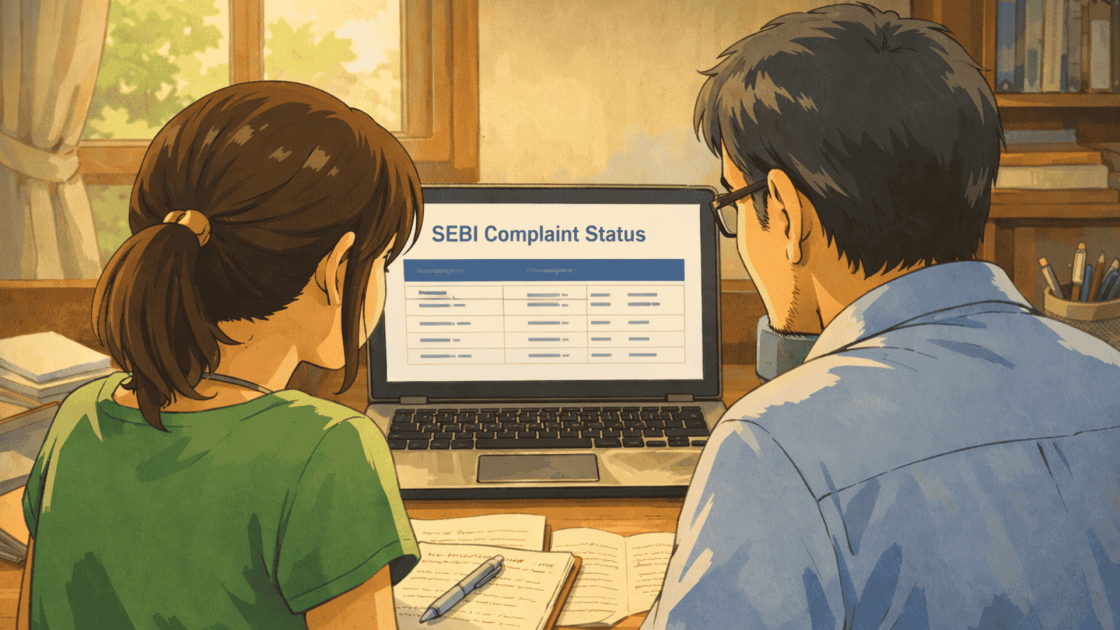
These status updates show how your complaint is moving along on the SCORES portal, which is run by the Securities and Exchange Board of India. (Image)
Conclusion
Tracking your SEBI complaint status helps you know exactly where your problem is in the process, instead of waiting around confused. Each update on the SCORES portal shows a step in how things are moving, and understanding that helps you act at the right time.
Many complaints get delayed not because there’s no action being taken, but because some steps are missed or misunderstood. By checking your status often and knowing what each update means, you stay in control of your complaint.
Being aware and taking action on time can stop your issue from being closed too early and keep it moving forward. With the right knowledge, the SEBI complaint process becomes easier to understand, less stressful, and simpler for every investor.