

Quick Summary
Kavita Joshi (name changed) signed an agreement with a written exit clause promising a partial refund if she cancelled within a set window. Her claim reached 4,73,000. When she tried to exercise that clause, the adviser refused outright. Our team used the written agreement itself to recover 2,60,000, a 55 percent share.
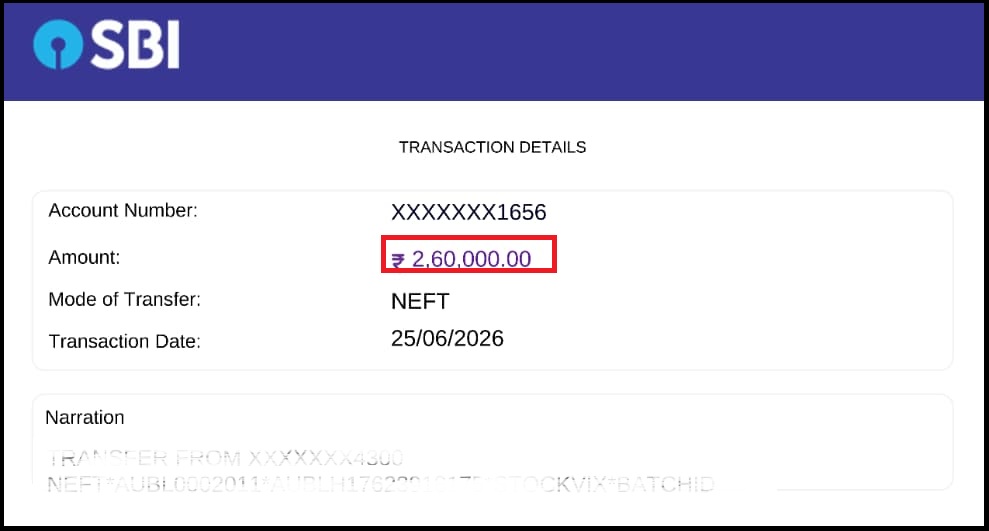
How Our Team Drafted & Documented a Formal Complaint
We began by isolating the exact clause language from the signed agreement, since the wording itself carried most of the weight in this file.
Step 1: Extracted the Refund Clause
We copied the exact ninety-day refund clause from the agreement and calculated that Kavita’s request fell well within the window.
Step 2: Compiled the Follow-up Trail
We gathered all five of Kavita’s refund requests along with the adviser’s delayed and vague responses to each one.
Step 3: Framed the Breach of Contract
We argued that refusing a clause the adviser itself had written and signed is a direct breach, independent of any dispute over advice quality.
Step 4: Filed with the Agreement Highlighted
We filed a SEBI SCORES complaint with the signed clause, since it left little room for the adviser to argue interpretation.
The adviser’s response tried to argue the ninety-day window had technically closed by the time a formal refund form was processed. We showed that Kavita’s written request fell inside the window regardless of internal processing delays on the adviser’s side.
A refund clause exists to be honoured, not to sit unused in a signed agreement. A written promise is one of the strongest tools a client can hold.
Read your advisory agreement again if you are unsure what exit terms you signed up for. The clause that gets you out is often buried in the fine print.
If a signed clause is still being ignored after a formal complaint, escalation is the next step. Our team moves such files to SMART ODR when a firm stops responding.
Report. Recover. Stay Fraud Free.
Frequently Asked Questions
Yes. A signed clause is a contractual commitment, and refusing to honour it once conditions are met is a clear breach.
Written requests carry more weight, but message records like email or chat history showing your request can serve a similar purpose.
No. If your request was made within the stated window, delays on the adviser's side should not count against you.
The clause itself specified a fifty percent refund of unused fees, and the final recovery reflected that agreed structure after the SCORES review.





 Add us as a preferred source on Google »

