When you enter the world of investing, the temptation to let an expert take the wheel is high. You might find yourself wondering, “Can someone else trade on my behalf?”
It’s a common thought, especially when life gets busy.
You might consider giving your login credentials to a tech-savvy friend, a “guru” you found on Telegram, or even asking, “Can someone trade for me?” by handing over control to your stock broker.
However, the answer to “Can someone trade on my behalf in India?” is not just a simple yes or no; it involves strict legal boundaries designed to protect your hard-earned money.
Is it Legal if Someone Trades on My Behalf?
Ever wondered whether it’s actually legal to let someone trade on your behalf? The honest answer isn’t a simple yes or no; it really depends on how it’s being done and whether money is changing hands.
The short answer is: only under very specific, highly regulated conditions. In India, there is a massive difference between someone giving you advice and someone actually pressing the “buy” button for you.
- The ₹50 Lakh Rule (PMS): If you want a professional to legally manage your account and trade for you, you must use a Portfolio Management Service (PMS). However, SEBI has a strict entry barrier: you must have a minimum investment of ₹50 Lakh. If anyone offers to “manage your account” for a smaller amount, they are likely operating illegally.
- Power of Attorney (PoA): You might have signed a PoA when opening your account. This is a legal document, but it is limited. It allows your broker to debit shares from your demat account when you sell them. It does not give them the right to decide what to buy or sell without your specific permission for every trade.
Can a Stock Broker Trade on My Behalf?
Can your stock broker really trade for you just because they’re SEBI-registered? Many investors think so, and that’s where trouble begins.
It’s easy to assume that once you’ve signed up with a broker and given them a Power of Attorney, you can sit back while they “manage everything.”
Sounds convenient, right?
But this belief is not just wrong, it’s risky.
Here’s the truth: a broker’s PoA is mainly for settlement purposes, buying, selling, and transferring securities only after you place an order. It does not give the broker the freedom to trade whenever they want or make decisions on your behalf.
If trades are executed in your account without your clear instruction, whether through an app order, recorded phone call, or written consent, that’s classified as Unauthorized Trading.
And here’s an important reminder: SEBI registration doesn’t mean blind trust. Your trading account is your responsibility. Never share your login credentials, never disclose your OTPs, and never assume “the broker knows best.”
Once you lose control over access, proving wrongdoing becomes much harder.
So the next time someone tells you, “Don’t worry, I’ll handle it for you,” pause and ask yourself, did you place that trade? If not, it’s not convenience, it’s a red flag
Can a Research Advisor Trade on My Behalf?
A Research Advisor (RA) is licensed to tell you what to buy, but they are strictly prohibited from doing the buying for you.
- Account Handling Violations: If an RA asks for your password to “handle” your account, they are violating SEBI regulations.
- The Profit-Sharing Trap: Often, these advisors will suggest a “profit-sharing” model (e.g., 70% for you, 30% for them). This is illegal for RAs. Such arrangements often lead to high-risk trades because the advisor has no “skin in the game”, if you lose money, only you suffer, but if you win, they take a cut.
Social media is full of people showing off “fake profits” and “guaranteed returns” in Telegram groups. These individuals are often unregistered entities.
When you ask, “Can someone trade on my behalf?” and look toward a Finfluencer, you are stepping into a high-risk zone.
They may use your account to perform “Pump and Dump” schemes, buying a stock in their own account, using your money to push the price up, and then selling their shares while you are left holding a falling stock.
Because they are not registered with SEBI, tracking them down after a scam is incredibly difficult.
What to do if You’ve Already Handed Over Control?
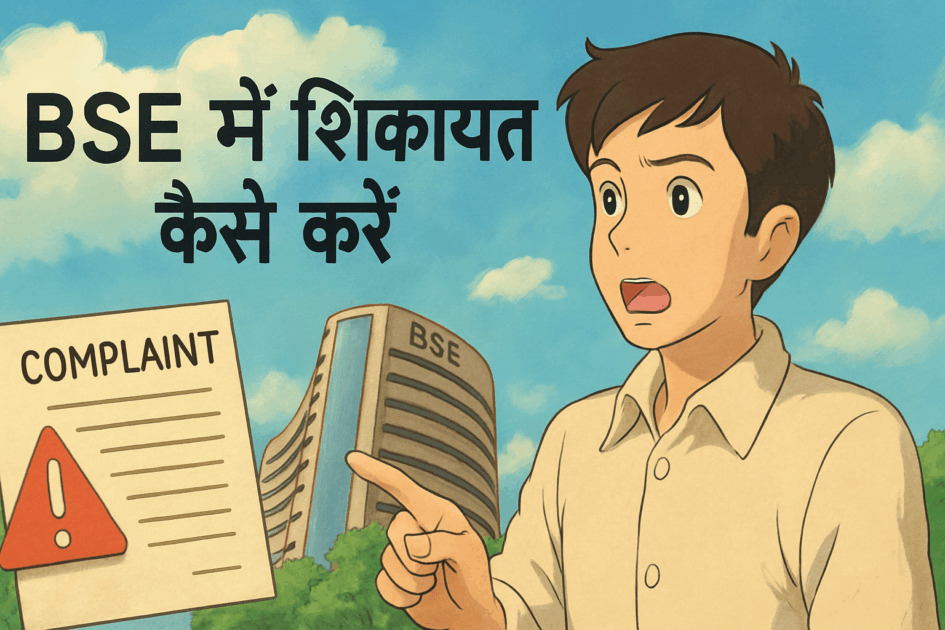
If you have shared your credentials and noticed unauthorized trades, or if a “manager” is refusing to return your money, you must act immediately. This is where our team at FraudFree steps in.
Our team doesn’t just give advice; we take action.
When you register with us, we follow a professional, stepwise recovery process to fight for your money:
- File a complaint in SEBI: We draft a detailed legal complaint to the broker’s compliance department.
- Lodge a complaint with SEBI SCORES: We file your case on the government’s official grievance portal with all necessary evidence.
- File a complaint in Smart ODR: We guide you through the stock exchange’s online dispute resolution meetings to settle.
- Arbitration in Stock Market: If the matter is not resolved, we represent your case in the SEBI-appointed arbitration cell for a final legal verdict.
Conclusion
The dream of having someone else do the hard work of trading is often used by scammers to lure innocent investors into traps.
Whether it’s a friend, a broker, or a famous Finfluencer, the answer to “Can someone trade for me?” should almost always be a firm “No” unless you are dealing with a licensed PMS and meeting the ₹50 Lakh requirement.
Your trading account is your financial identity.
Protect it with the same care you give your bank account. By staying alert and keeping your credentials private, you can navigate the Indian stock market safely and successfully.
Don’t let your desire for “easy” trading turn into a financial nightmare. Keep your passwords private and your eyes open.