

Quick Summary
SEBI found that Trade Nexa Research, an Investment Adviser run by Minakshi Asavani, promised clients guaranteed profits and loss recovery on recorded calls, in violation of India’s anti-fraud securities rules. The adviser fought the case with a long list of legal precedents and had already been fined Rs 7 lakh separately, which it hadn’t paid. Despite a formal fraud finding, the final penalty here was narrow: a one-month ban on taking new clients. The order is dated August 21, 2026.
Most SEBI orders read like dry compliance paperwork. This one has actual call transcripts in it, and they’re worth reading closely, because they show exactly what a “guaranteed returns” pitch sounds like in practice.
What SEBI’s Inspection Found
SEBI conducted a surprise inspection of Trade Nexa Research in March 2024, covering the period from April 2020 to December 2023. The findings covered four separate problems: charging fees without a signed client agreement, not keeping records of client calls, offering a free trial to at least one client, and promising clients guaranteed returns or loss recovery.
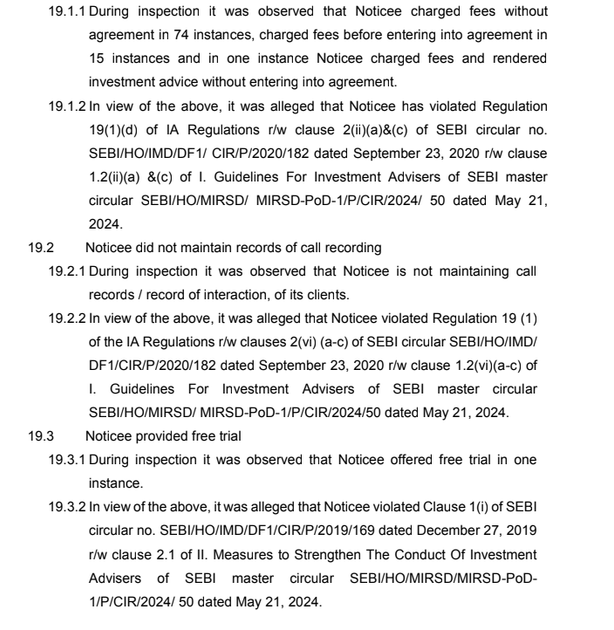
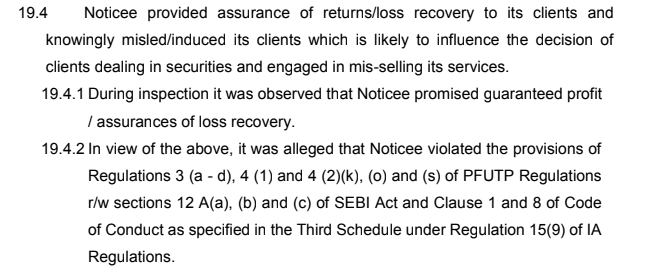
[SCREENSHOT PLACEHOLDER — Order, Page 9-10, Para 19.1-19.4. Crop to this list of the four core allegations against Trade Nexa Research. Alt text: “SEBI order listing four violations found against Trade Nexa Research Investment Adviser, including assured-return promises to clients.”]
The first three are fairly standard compliance failures. The fourth one is where this case gets interesting.
The Calls That Sealed the Case
SEBI’s investigators pulled call recordings between Trade Nexa’s team and its clients. Roughly translated, the pitches included lines like promising to personally pull out a profit for the client, telling one client that ten thousand rupees would land in their account that very day, and quoting specific expected monthly returns of thirty to forty thousand rupees on a basic plan and eighty to ninety thousand on a premium one.
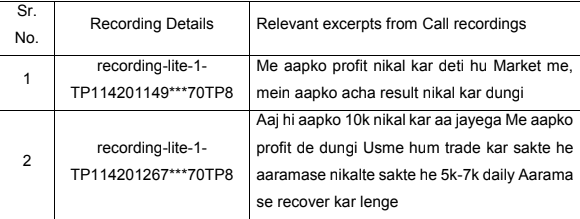
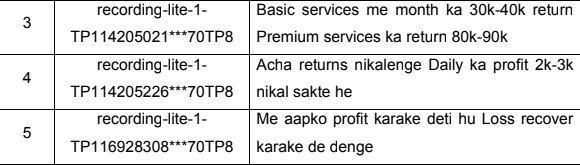
[SCREENSHOT PLACEHOLDER — Order, Page 24-25, the call recording excerpts table. Crop to this table showing gist translations of five sample recordings. Alt text: “SEBI order table summarising call recordings where Trade Nexa Research promised clients specific monthly returns.”]
That’s not vague marketing language about “great tips” or “accuracy.” Those are specific rupee figures, tied to specific timeframes, from an adviser who is legally required to make clear that market returns are never guaranteed.
The Defence: A Parade of Precedents
Trade Nexa’s response wasn’t a simple denial. It was a detailed legal argument built on citing other SEBI and tribunal orders where similar allegations didn’t stick.
The adviser argued that “we’ll try to recover your losses” isn’t the same as promising a guaranteed return, and pointed to a prior SEBI order in the matter of GRS Solution, where similar language was treated as a marketing gimmick rather than an actual promise. It also argued that the legal definition of fraud under securities law requires the fraud to happen specifically “in connection with dealing in securities,” and cited two other orders, Star World Research and Niveshicon Investment Advisor, where that exact argument succeeded.
On top of that, Trade Nexa argued that since it had already been fined Rs 7 lakh in a separate adjudication case over the same underlying conduct, taking further action against it here would amount to punishing it twice for the same thing.
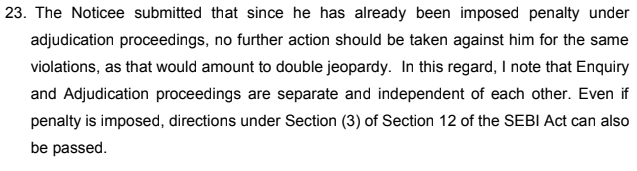
[SCREENSHOT PLACEHOLDER — Order, Page 29, Para 23. Crop to this paragraph rejecting the double jeopardy argument and explaining that enquiry and adjudication proceedings are legally separate. Alt text: “SEBI order rejecting Trade Nexa Research’s argument that a separate monetary penalty already covered these violations.”]
SEBI rejected the double jeopardy argument outright, holding that a monetary penalty and this kind of regulatory action are legally distinct processes that can run in parallel.
Why the “Just Marketing” Defence Didn’t Work This Time
The precedent-citing strategy is a genuinely clever legal argument, and it’s worked for other advisers before. SEBI’s response here shows exactly where that argument runs into trouble.
The key difference, according to this order, is specificity. Vague statements about “great accuracy” or “trying our best” have been treated as marketing puffery in past cases. Naming exact monthly return figures over the phone is a different thing entirely.
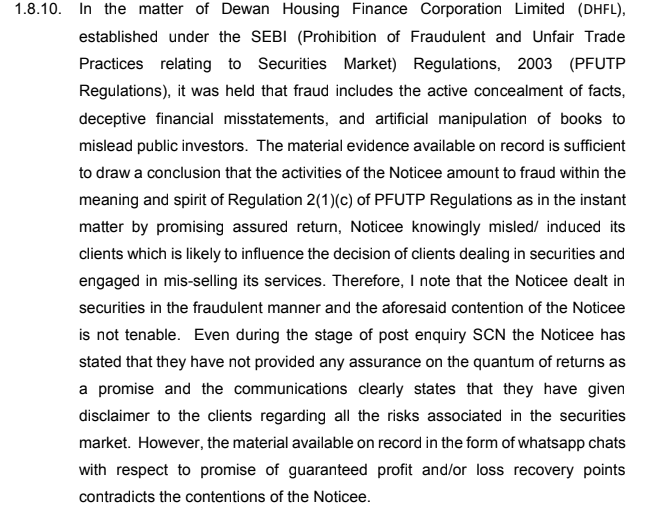
SEBI leaned on a definition of fraud drawn from a past case involving Dewan Housing Finance, which described fraud as including deceptive misstatements designed to mislead. On that basis, SEBI found Trade Nexa’s specific, numbered promises crossed the line the other cited cases hadn’t.
The Penalty That Might Surprise You
Given all of that, the actual outcome here is worth sitting with. The officer who ran the initial enquiry recommended nothing more than a formal regulatory censure, essentially a written warning.
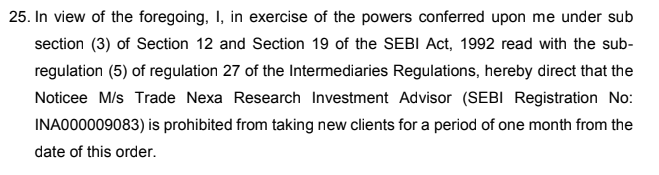
The final order went slightly further, but not by much. Trade Nexa Research was barred from taking any new clients for exactly one month from the date of the order. Nothing longer. No suspension of its existing registration. No cancellation.
Separately, the adviser still owes SEBI Rs 7 lakh from an earlier penalty it hasn’t paid, and SEBI has already begun formal recovery proceedings, including a notice of attachment, over that unpaid amount. The AR told SEBI during the hearing that Trade Nexa had been given until March 2026 to pay with interest, but couldn’t produce any written confirmation of that extension when asked.
What This Means for Retail Investors
The lesson here isn’t really about Trade Nexa specifically. It’s about the gap between what a regulatory finding says and what the practical consequence actually is.
SEBI explicitly found this adviser’s conduct met the legal definition of fraud. The real-world penalty for that finding was a month-long pause on new sign-ups, on top of a fine that still hasn’t been collected. If you’re relying on regulatory action as your safety net against a “guaranteed returns” pitch, this case is a reminder that the safety net can be thinner and slower than you’d expect.
The pattern to watch for yourself is the one in these call transcripts: specific rupee amounts, specific timeframes, and language about recovering your losses for you. We’ve covered a similar refund-promise pattern in our Podium Market Research breakdown, where the pitch was different but the underlying tactic, promising your money back with certainty, was the same.
If you’ve been promised guaranteed returns by any adviser, you can raise it through SEBI’s SCORES complaint portal, regardless of how the enforcement side of things eventually plays out.
Been promised guaranteed returns by an adviser or broker? Register with us to get started.
Report. Recover. Stay Fraud Free.
Frequently Asked Questions
Yes, the order explicitly finds that its conduct met the legal definition of fraud under the PFUTP Regulations for promising assured returns to clients.
Trade Nexa Research was barred from taking new clients for one month. Its existing registration wasn't suspended or cancelled by this order.
This specific order didn't impose a fresh fine, but a separate earlier adjudication order had already fined the firm Rs 7 lakh for the same underlying conduct, which remains unpaid.
The one-month restriction on new clients would have expired roughly a month after the August 21, 2026 order, so check the firm's current registration status directly before engaging with them.
The specificity of the promises. Vague language about accuracy has been excused in past cases, but naming exact rupee return figures on recorded calls was treated differently.
Not automatically. SEBI's own precedent suggests general reassurance language may not cross the line, but specific guaranteed-amount promises, as found here, do.
You can file a complaint through SEBI's SCORES portal, and it's worth keeping any recordings, screenshots, or written promises as evidence.





 Add us as a preferred source on Google »

