

What happens when a research analyst who is supposed to guide investors ends up raising serious questions about trust, disclosures, and client communication?
In the case of Punit Kumar Research Analyst, the story is not just about stock recommendations, but about how those recommendations were presented and whether the right rules were followed.
This matter became attention worthy because it shows how one wrong approach in the market can affect real investors and their money.
If you have ever trusted a stock tip or paid for market advice, this case will make you think twice.
It is a reminder that in the world of investing, confidence alone is never enough. You need transparency, proper disclosures, and honest conduct.
And that is exactly why this blog about Punit Kumar research analyst deserves a closer look.
Is Punit Kumar Research Analyst SEBI Registered?
Have you ever wondered how much you really know about the person behind a stock market recommendation?
In the case of Puneet Kumar research analyst, the answer is not as clear as investors would expect.
The only public information people can easily access is that he is a research analyst associated with Shri Money, and his SEBI registration number is INH000008844.
Beyond that, there is very little that helps an ordinary investor build confidence or understand his background properly.
His website is now not working, and the only way his website can be accessed is through Instagram, where the company account has around 800+ followers.
Apart from this, he is not available on Instagram, Facebook, Twitter, LinkedIn, or any other major social media platform.
In today’s digital world, where trust matters deeply in financial services, such limited visibility can naturally make investors pause and think.
A research analyst is supposed to guide investors with clarity, confidence, and transparency.
But when basic information is hard to find, questions naturally begin to rise. This is exactly why Puneet Kumar research analyst has become a name that deserves attention.
Also Read: Vibhor Varshney Twitter, a direct link inviting followers into paid plans.
Punit Kumar Research Analyst Reviews
When people look up Puneet Kumar research analyst reviews, the feedback does not create a very reassuring picture.
His company is reportedly rated 2.2 stars on Justdial, which is quite low and usually signals dissatisfaction among users.
Low ratings like this often mean that people were not fully happy with the service, the support, or the overall experience.
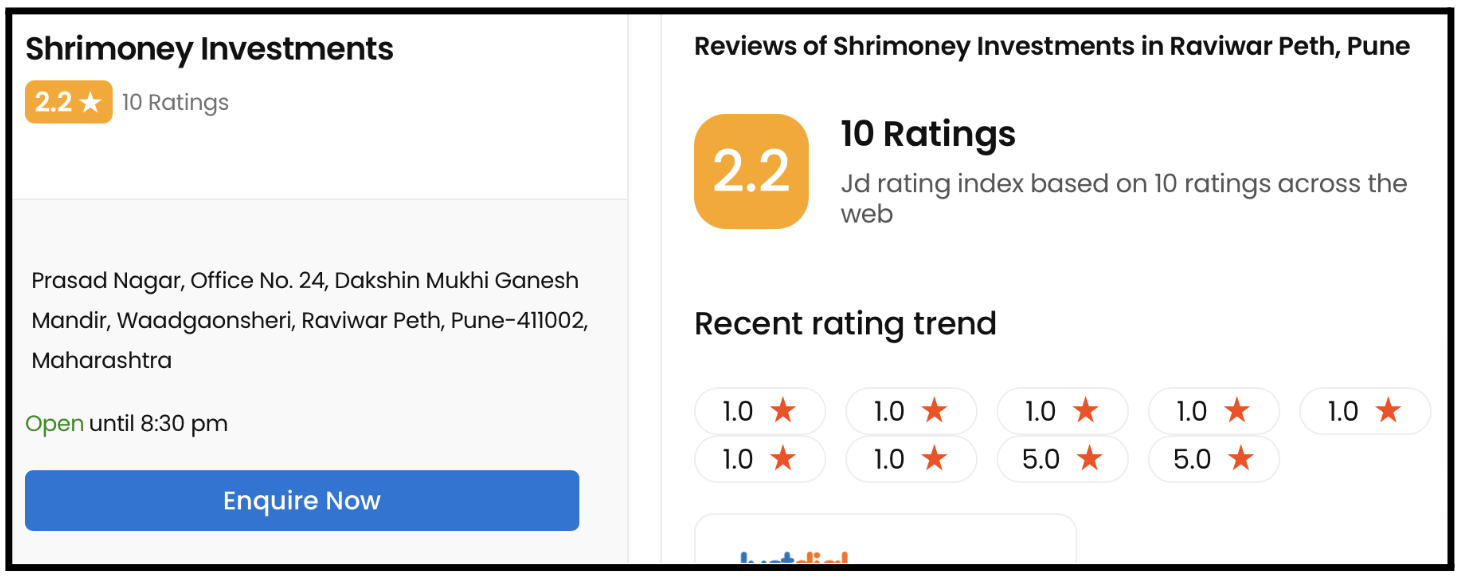
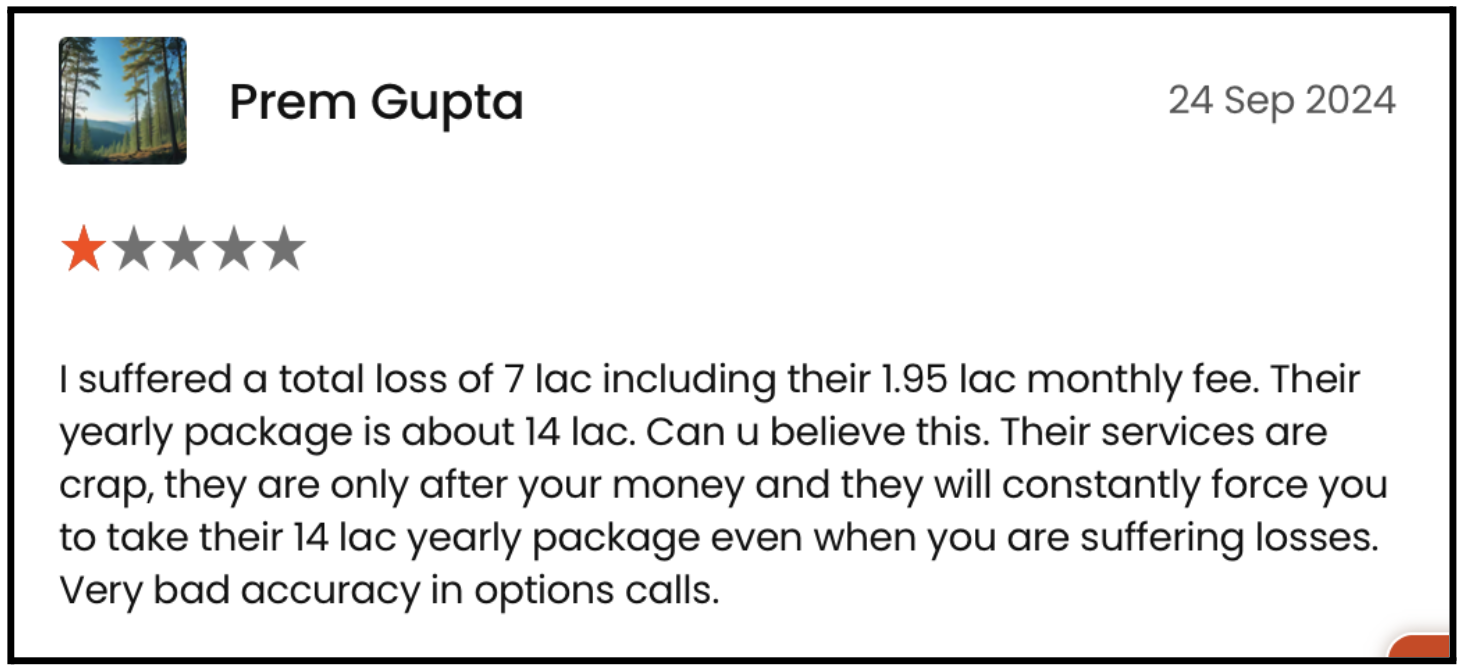
People have publicly stated that they have suffered huge losses due to his research advice.
If you look closely, you will find out that their monthly package is placed at ₹1,95,000 and yearly package is ₹14 lakhs.
This is worth noting because, according to SEBI, a research analyst can take only ₹1,51,000 yearly per client. This is a clear violation of the rules.
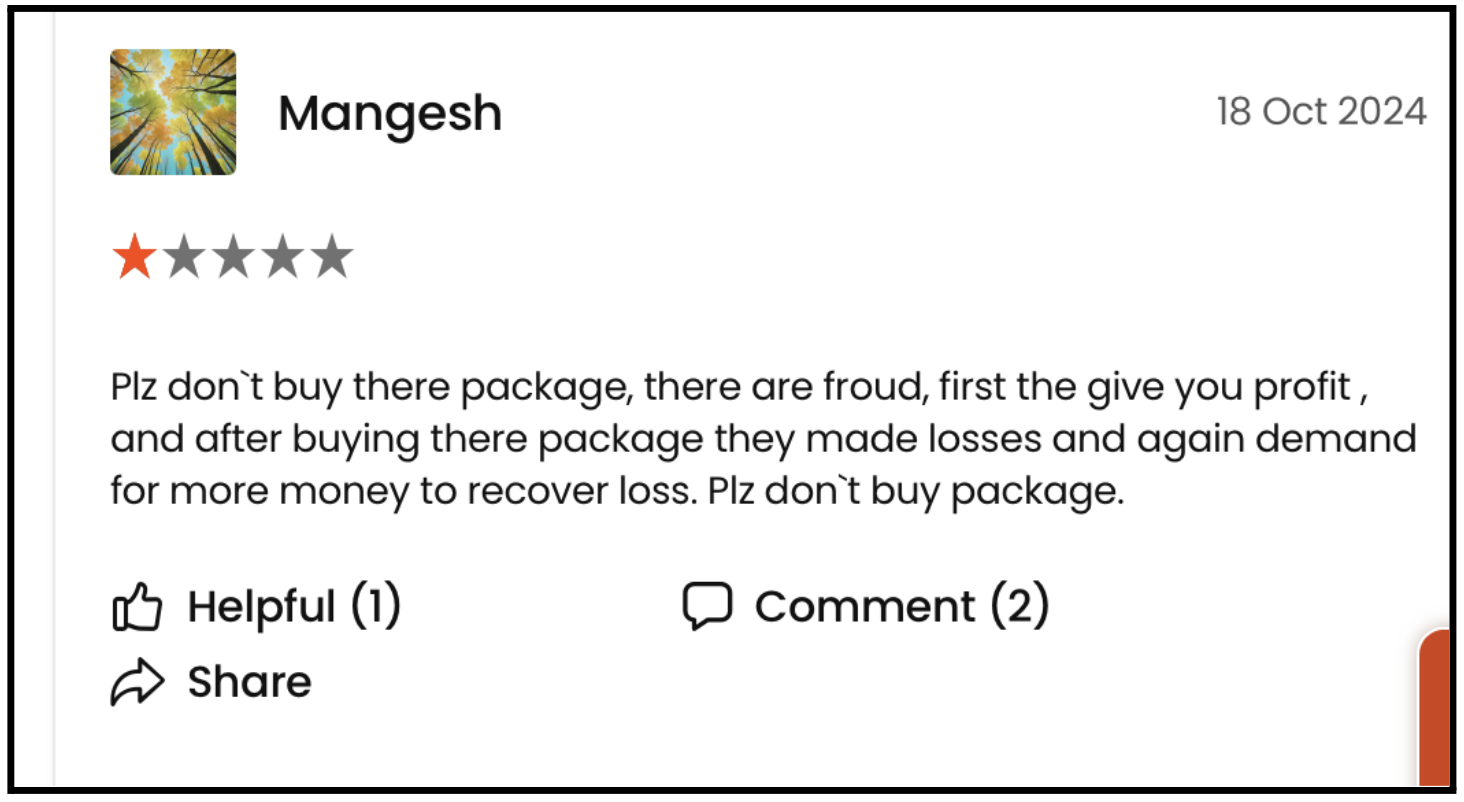
Another user has called them a fraud and said that they keep on demanding money to recover their losses.
He has also urged other users not to buy their packages.
What is the use of buying a package worth a lakh when people are still not satisfied?
A money-related decision should never be based on hope alone. It should be backed by trust, clarity, and proper verification.
If people are posting negative reviews, that is not something to take lightly.
It is always better to pause, check the facts carefully, and understand what is truly good for your money before moving ahead.
Also Read: Groen Research Solutions LLP, a worth knowing RA case with its plans’ price crossing SEBI fee cap.
Shri Money SEBI Order
SEBI ordered that Puneet Kumar, proprietor of Shri Money and a registered research analyst, shall not take new clients for one month.
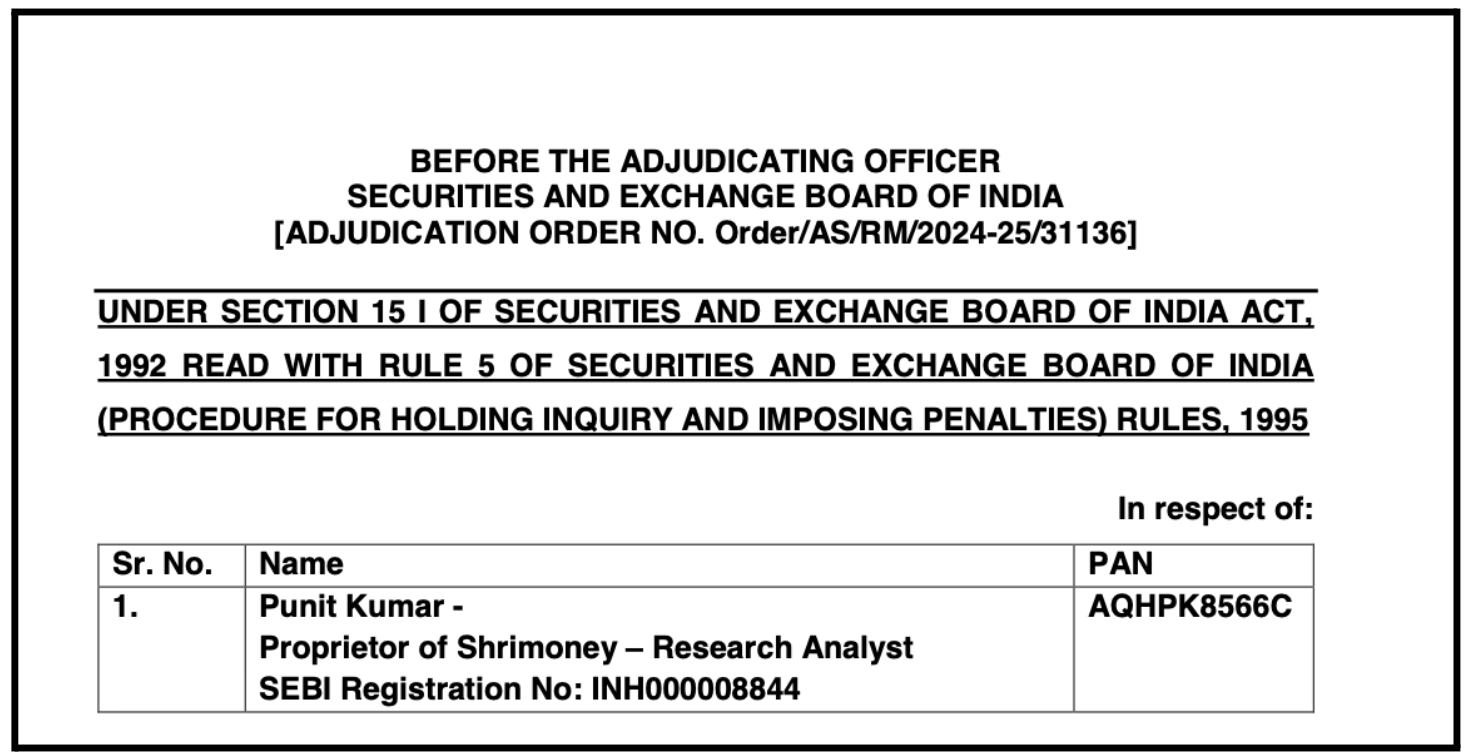
In simple words, SEBI did not cancel his registration, but it temporarily stopped him from onboarding fresh clients because of serious compliance issues.
1. Why Was The Order Implemented?
SEBI passed this order because the research analyst was found to have mishandled client communication and failed to follow important rules related to disclosures and record keeping.
The issue was not just about paperwork. It was about trust, transparency, and whether investors were being guided honestly.
Violations found by SEBI:
- An employee allegedly told a client that he could make a profit of Rs. 4 lakh, which SEBI treated as a misleading promise of returns.
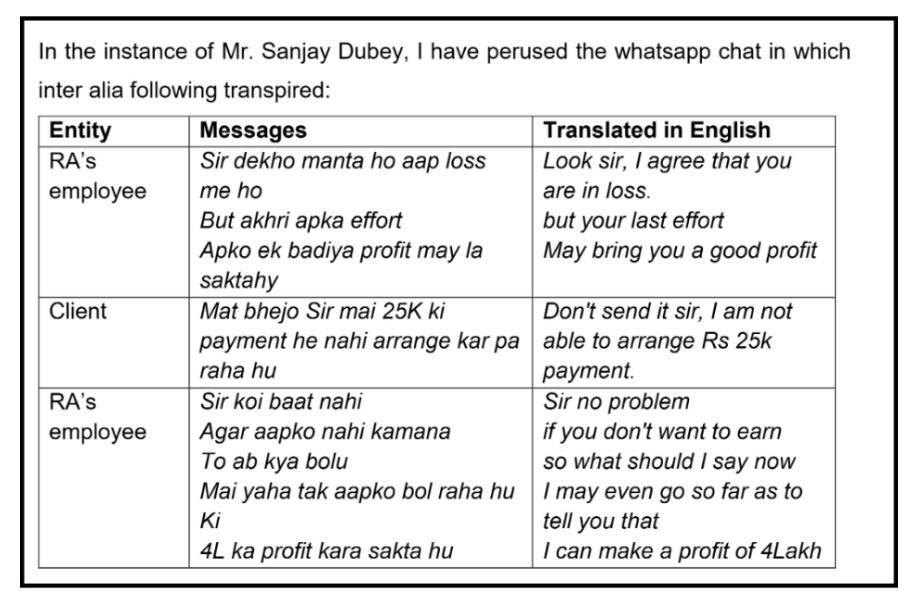
- SEBI said this kind of communication was used to induce the client to trade and pay fees.
- The recommendations were treated as research reports under SEBI rules, so proper disclosures were required.
- Those mandatory disclosures were missing in the research reports.
- SEBI also found that the rationale behind some recommendations was not properly maintained.
- An earlier warning had already been given, but the same disclosure issue was not fully corrected.
2. What Was The Penalty Imposed?
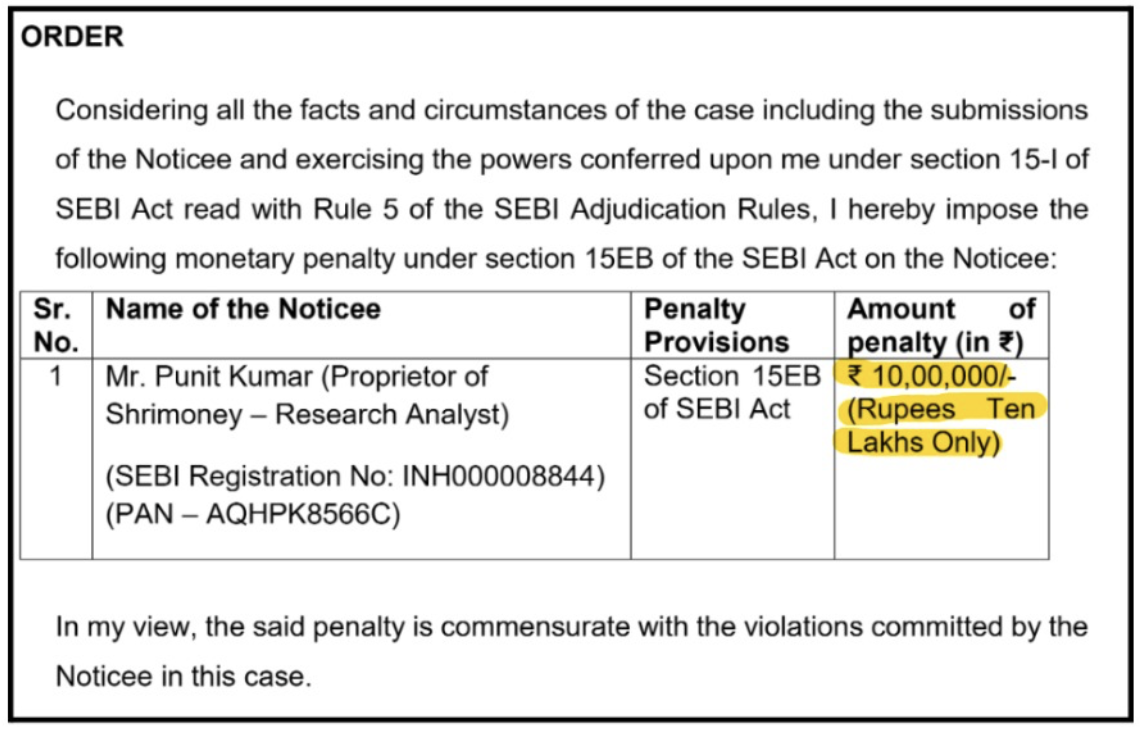
The final penalty was a one-month ban on taking new clients. SEBI also noted that a separate monetary penalty of Rs. 10 lakh had already been imposed for the same violations, and that amount had been paid.
Key learnings for investors
For retail investors like you, the lessons are simple:
- Never trust big profit promises in the stock market.
- Even WhatsApp chats and informal messages can become important evidence.
- Always check whether disclosures are properly given in research reports.
- Weak record-keeping is a red flag.
- If a market expert has already been warned before, investors should be extra careful.
This order is a strong reminder that a research analyst must work with honesty, transparency, and proper documentation.
How to File a Complaint Against Shri Money?
If you encounter problems with Punit Kumar research analyst, or any other research analyst, follow these straightforward steps to seek a resolution:
Step 1: Document All Communications Immediately
Start by collecting and safely storing every communication connected to the advisory service.
This includes WhatsApp chats, emails, Telegram messages, payment receipts, bank statements, call recordings where legally permissible, subscription invoices, and screenshots of recommendations.
Pay special attention to any communication where profit figures, “safe returns,” recovery assurances, or high-success claims were discussed. Such records often become important supporting evidence during a regulatory complaint process.
Step 2: Send a Formal Written Complaint
Before escalating the matter, send a detailed written complaint to Shri Money through official email support and, if possible, registered post.
Clearly explain when you subscribed, what representations or communications influenced your decision, how much money was paid, the losses incurred, and whether proper risk disclosures were missing at the time recommendations were shared.
Request a written response and keep copies of all communication records. Many investors generally allow around 21 days for a formal response before proceeding further.
Step 3: File a Complaint in SCORES
If the issue remains unresolved, you can file a complaint on SEBI’s SCORES platform.
Provide a structured explanation of the issue along with supporting evidence such as screenshots, invoices, advisory messages, and communication records.
Investors often mention concerns related to misleading promotional communication, lack of adequate disclosures, or recommendation practices that did not clearly explain risks.
Step 4: Register a Complaint in SMART ODR
If the SCORES process does not lead to a satisfactory resolution, the next step may involve SEBI’s SMART Online Dispute Resolution (ODR) platform.
This system allows disputes to move toward mediation or conciliation in a more structured and regulator-supervised environment.
Step 5: Stock Market Arbitration
Where significant trading losses are allegedly linked to advisory recommendations, some investors also explore stock market arbitration mechanisms available under the regulatory framework.
This may become relevant particularly in situations where disputes involve communication practices, missing disclosures, or recommendation-related conduct.
Arbitration allows an independent forum to review documents, communication records, and evidence submitted by both parties before issuing a binding decision on the dispute.
Need Help?
If you are feeling confused about where to begin or finding the complaint process difficult to handle alone, professional guidance can help make the process more structured and manageable.
You can register with us, and our team will help you understand the available options based on your situation.
Conclusion
Punit Kumar research analyst is a reminder that not every market advisor deserves blind trust. A SEBI registration number may look reassuring, but real trust comes from honest conduct and proper disclosures.
The order shows that promising profits, even indirectly, can create serious trouble. It also shows that missing disclosures and weak record-keeping are not small mistakes.
Investors should always read every recommendation with caution and verify the background first.
In the end, Punit Kumar research analyst is a case that teaches one clear lesson: In investing, transparency is worth more than confidence.





 Add us as a preferred source on Google »

