
Quick Summary
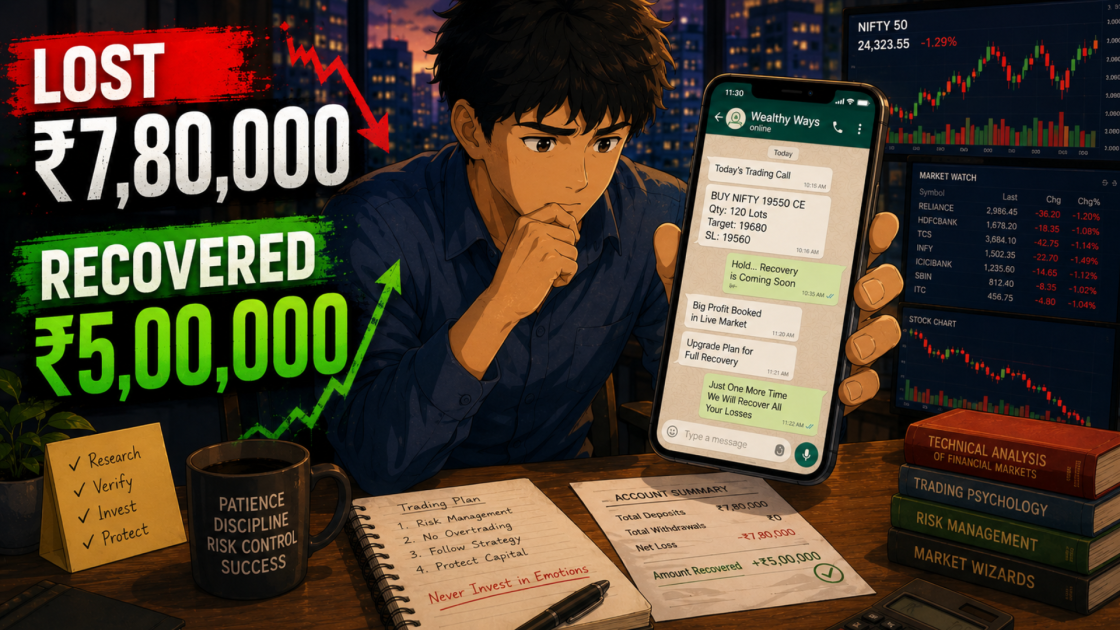
An investor lost ₹7,80,000 to a Wealthy Ways trading-tips relationship built on demo trades, profit screenshots, and recovery promises that never ended. Structured evidence and formal escalation through SEBI SCORES brought back ₹5,00,000. This page tells his full story, the eight warning signs his case revealed, and the exact evidence sequence that turned a loss into a recovery.
A small demo trade worked. Then another. By the time the losses started, quitting felt harder than continuing.
That is how almost every trading-tips story on this page began, and it is exactly how this one did too.
Dinesh (name changed) was not reckless.
He was not greedy. He was a regular investor who received a professional-sounding pitch, saw results that looked real, and made the decision millions of Indian investors make every single day.
This is his story, and how ₹5,00,000 of it came back.
How Dinesh Got Pulled Into Wealthy Ways Trading Tips?
The beginning never looks like a trap. It rarely does.
A firm called Wealthy Ways, through representatives identified in communications as Prashanth and Priyanka, reportedly approached him with an offer of expert call-based trading tips.
The pitch was structured, professional, and backed by what looked like real evidence of consistent returns.
Because the early interaction felt reassuring and profitable, he gradually became emotionally invested in the process. Trading instructions began arriving through WhatsApp, complete with exact scrip names, quantities, and lot sizes.
Then the pattern escalated.
The first significant loss came.
The explanation arrived fast: market volatility, a temporary correction, a position that just needed more time. Almost seamlessly, a new offer appeared too, a higher-tier service that would recover everything.
Dinesh paid. The losses continued.
The message never changed; recovery was always just one more payment away. When the first handler’s credibility wore thin, a new representative, Prashanth, was introduced, and the earlier losses were quietly blamed on the previous handling.
By the time he reached our team, the total loss stood at ₹7,80,000, and the hardest part was not the money.
It was the confusion, not knowing which promises were genuine, which screenshots could be trusted, or whether recovery was even possible anymore.
Warning Signs This Case Revealed
When our team reviewed the complete evidence trail, payment records, WhatsApp instructions, trade logs, and screenshots, a clear, repeatable sequence emerged.
Not random failures, but a documented pattern.
- Demo Trade Used to Build Trust: Small, successful demo trades were shown first, before any paid service was introduced, to build confidence. For many investors, an early profit feels like proof the strategy works, and this is often the exact point where caution starts to weaken.
- Profit Screenshots Shared During Discussions: Screenshots of large profits earned by other clients were shared to reinforce confidence, creating the impression that results were common and simply a matter of continuing.
- Personalised Trading Instructions: As the relationship deepened, instructions became direct and high-risk-specific scrip names, exact quantities, and aggressive derivatives positions.
- Hold Instructions on Losing Positions: When trades moved into losses, he was repeatedly advised not to exit. Recovery was always described as close, with no meaningful stop-loss discussion ever surfacing in the records.
- Recovery Assurances After Losses: Repeated promises that losses could still be recovered kept encouraging further payments, creating a psychological cycle where stopping felt harder than continuing.
- Relationship Manager Reassignment: When earlier trades failed, a new representative appeared, and the previous losses were blamed on the earlier handling, rebuilding trust just long enough to continue.
- Lack of Risk Disclosure: No meaningful discussion of risk appetite, downside exposure, or suitability ever appeared in the records, despite this being mandatory before any recommendation is given.
- Multiple Fee Payments Within Days: Payment records showed multiple transactions between 19 and 26 March 2026, totalling close to ₹5,00,000 in fees paid within a single week, a pace that shows how quickly this kind of pressure compounds.
How ₹5,00,000 Was Recovered: Step-by-Step Evidence Sequence
Losing money is one problem. Not knowing where to even start is a different one entirely, and it is usually the bigger obstacle.
By the time Dinesh approached us, confusion was the biggest problem, not just the loss itself.
He no longer knew which promises were genuine, which screenshots could be trusted, or whether recovery was realistically still possible.
This is common in advisory disputes. Most investors arrive only after weeks of stress and uncertainty, holding a folder of scattered chats and receipts with no clear sense of what any of it proves.
Our team turned that same scattered evidence into a structured case, in four steps:
- Step 1: Evidence Review and Case Assessment: Every payment record, WhatsApp instruction with exact lot sizes, disputed screenshot, and held-position trade log was mapped chronologically against specific regulatory violations.
- Step 2: Complaint Drafting and Formal Filing: A detailed, regulation-citing complaint was prepared and sent formally to Wealthy Ways’ management and compliance contacts, raising the advisory practices, the representations made, and how risk had been communicated.
- Step 3: File complaint in SCORES: When no satisfactory internal resolution followed, the matter moved to SEBI’s SCORES portal, backed by the full payment trail, WhatsApp records, trading statements, a clear timeline, and every supporting screenshot.
- Step 4: ₹5,00,000 Recovered: The escalation produced a real result, ₹5,00,000 recovered against the ₹7,80,000 claimed, a meaningful recovery against a firm that had used repeated trust-building and recovery-focused tactics throughout.
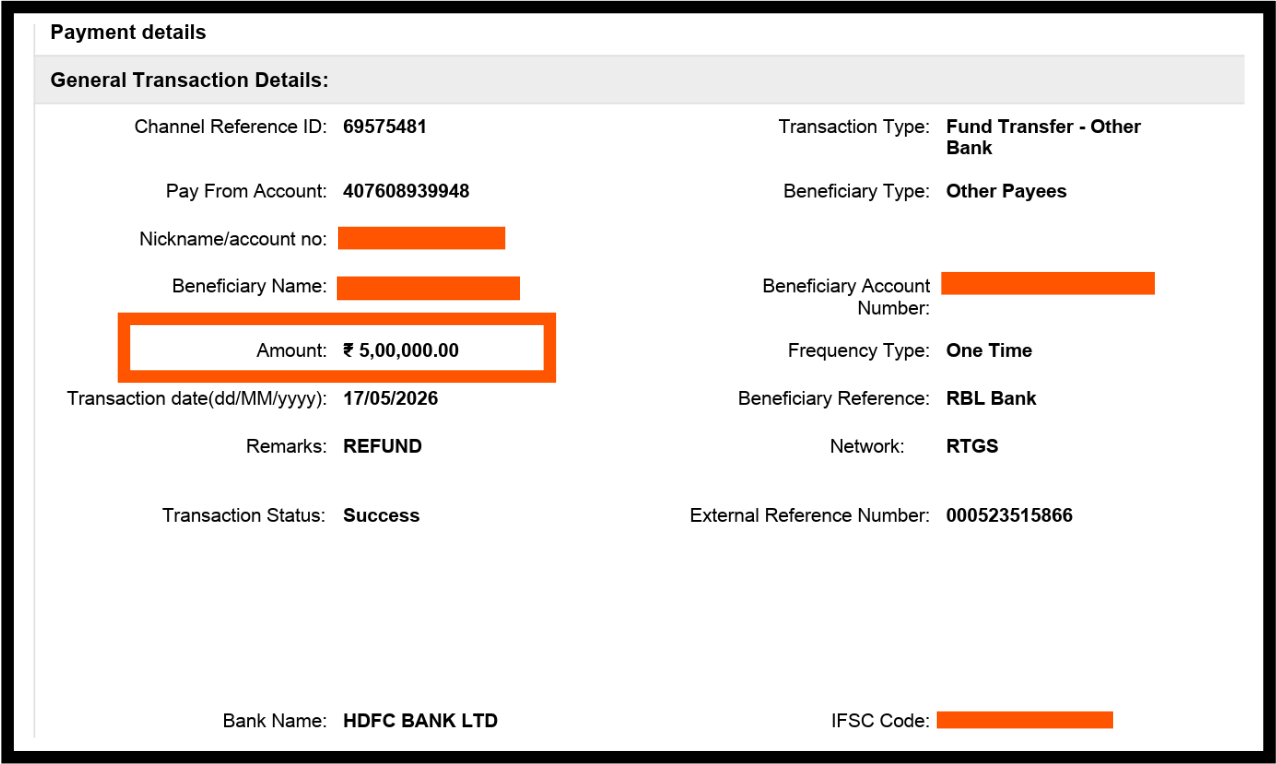
For Dinesh, it meant real financial relief after weeks of pressure.
It also proves something every reader here should hold onto: a loss already taken does not mean the situation is hopeless.
In advisory disputes, earlier action and better documentation consistently produce better outcomes.
Recognise this pattern in your own trading-tips relationship right now?
Save every message and receipt before anything else. We will review exactly this kind of case, and we know which details actually move a complaint forward.
Is Your Own Experience Following the Same Script?
This case is not isolated. The same blueprint, demo profits, screenshots, manager reassignment, hold instructions, recovery promises, repeats across many trading-tip and advisory disputes.
If any part of it matches what you are living through right now, the earlier you act, the stronger your position. Never rely only on screenshots, verbal assurances, or “guaranteed recovery” conversations before paying anything further.
Whether the firm behind your own experience is Wealthy Ways or another advisory entirely, the filing route that took this case from confusion to ₹5,00,000 recovered is walked through fully in our guide: how to complaint against Wealthy Ways.
And before paying anyone claiming SEBI registration, the two-minute check that would have flagged several of these red flags early sits on our page: is Wealthy Ways SEBI registered.
Conclusion
₹7,80,000 lost. ₹5,00,000 recovered. Eight warning signs that, read together, describe a documented playbook rather than one unlucky investor.
The recovery here did not come from luck.
It came from organised evidence and a formal escalation followed through to the end.
If your own account is starting to sound like this one, the earliest step, documenting everything today, is also the most important one.
Report. Recover. Stay Fraud Free.
₹5,00,000 was recovered against a total loss of ₹7,80,000, achieved through organised evidence and formal escalation on SEBI's SCORES portal. Eight signs recurred through the evidence, demo trades used for trust, shared profit screenshots, personalised high-risk instructions, hold-the-position advice during losses, repeated recovery promises, representative reassignment, no risk disclosure, and multiple payments within days. Yes. This case shows a ₹5,00,000 recovery against a ₹7,80,000 loss. Outcomes depend on the quality of your evidence and how promptly you act, not on how much time has already passed. Treat it as a warning sign, not reassurance. Save the conversation as evidence and avoid further payments based on any fresh promise made at that point. No. SEBI regulations prohibit any assurance of guaranteed returns or loss recovery. Any such promise, however convincing, is itself a documented violation.Frequently Asked Questions





 Add us as a preferred source on Google »

