

Quick Summary
A small amount refund from advisory feels not worth chasing. Most people with 50,000 or 60,000 stuck decide the amount is too small to fight for. The case files point the other way. In one settled matter a client claimed 64,500 and recovered 50,000. That is 77.5%, the highest recovery rate in our files. Another client claimed 65,000 and recovered 50,000, at 76.9%. Both beat larger claims of 3,00,000 and 3,50,000, which recovered 66.7% and 57.1%. The smallest claims in our files produced the best outcomes. This page shows the figures and explains the likely reason.
A small refund from an advisory is the claim most people never file. You lost 50,000, maybe 65,000, and you have talked yourself out of chasing it three times.
The reasoning goes like this. The amount is too small. The process sounds long. A firm with lawyers will not bother with you, and even if they do, a token figure arrives after months of effort.
The four cases below suggest that reasoning is backwards. The two smallest claims in our files recovered the highest share of what was asked. The larger ones recovered less.
Here is what the numbers look like.
Small Amount Refund From Advisory: The Four Case Figures
These are four settled cases. All four involved a firm registered with SEBI as a research analyst or operating as a stockbroker.
The table is sorted by claim size, smallest first. Read the last column down the page.
| Total claimed | Recovered | Share of claim |
|---|---|---|
| 64,500 | 50,000 | 77.5% |
| 65,000 | 50,000 | 76.9% |
| 3,00,000 | 2,00,000 | 66.7% |
| 3,50,000 | 2,00,000 | 57.1% |
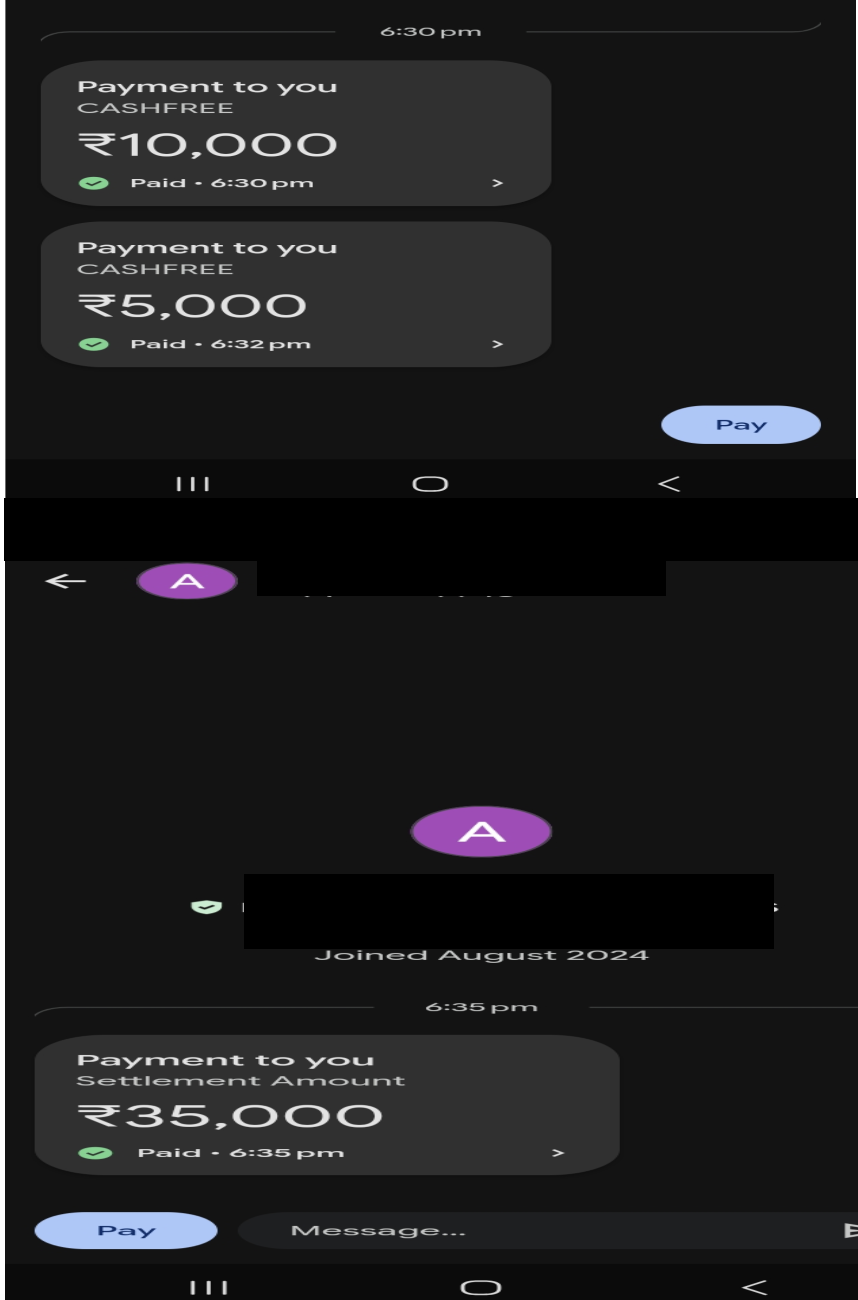
The claim at the top is one-fifth the size of the claim at the bottom. It recovered a fifth more of what it asked for.
That is the opposite of what most people expect. The assumption is that a bigger claim gets taken more seriously, and a small one gets brushed off. In these files, the small ones did better.
Four cases do not make a law. But the direction is consistent enough to be worth understanding before you decide your amount is not worth chasing.
Why a Small Amount Refund From Advisory Comes Back Faster
Nobody at these firms wrote down why they settled. So what follows is the most plausible explanation, not a proven one.
A small claim is cheaper to settle than to fight.
Think about it from the firm’s side. A client is claiming 64,500. Contesting that means engaging a lawyer, preparing a response, attending conciliation, and possibly going through arbitration. The cost of that process can pass the claim amount before anyone reaches a decision.
Paying 50,000 to close it is the cheaper option. Not an admission, not generosity, just arithmetic.
Now run the same logic on a 3,50,000 claim. Contesting is expensive, but so is settling. The firm has an actual reason to negotiate, to argue the trading loss was market-driven, to push back on the number. So they do, and the recovery share drops.
The threshold sits somewhere around where legal cost meets claim size. Below it, settling is the rational choice for the firm. Above it, fighting starts to make sense.
This is why the 65,000 claim recovered 76.9%, and the 3,50,000 claim recovered 57.1%. Not because one client had better evidence. Because one number was cheaper to make go away.
50000 Loss in Stock Advisory: What the Case Actually Looked Like
The 77.5% case is worth walking through, because it shows what a small case looks like from the inside.
The client was contacted by a representative of a SEBI-registered research analyst. The first question was which demat account he used. The second move was a demo trade, which made a profit.
That profit did the selling. The client subscribed.
The stated annual fee was 1,50,000. When the client said he could not pay it, he was told he could pay in parts. He paid roughly 25,400 first, then more, reaching about 30,400.
After the fee came the trades. Recommendations arrived with unusually high lot sizes. The client was repeatedly told to add capital, even after saying plainly that he had no more money and could not carry further risk.
When the trades moved into loss, the assurances started. “Recover karwa dungi main.” “Fund add to kariye.” The trading loss reached about 34,000.
- Total damage: 64,400
- Claim: 64,500
- Recovery: 50,000
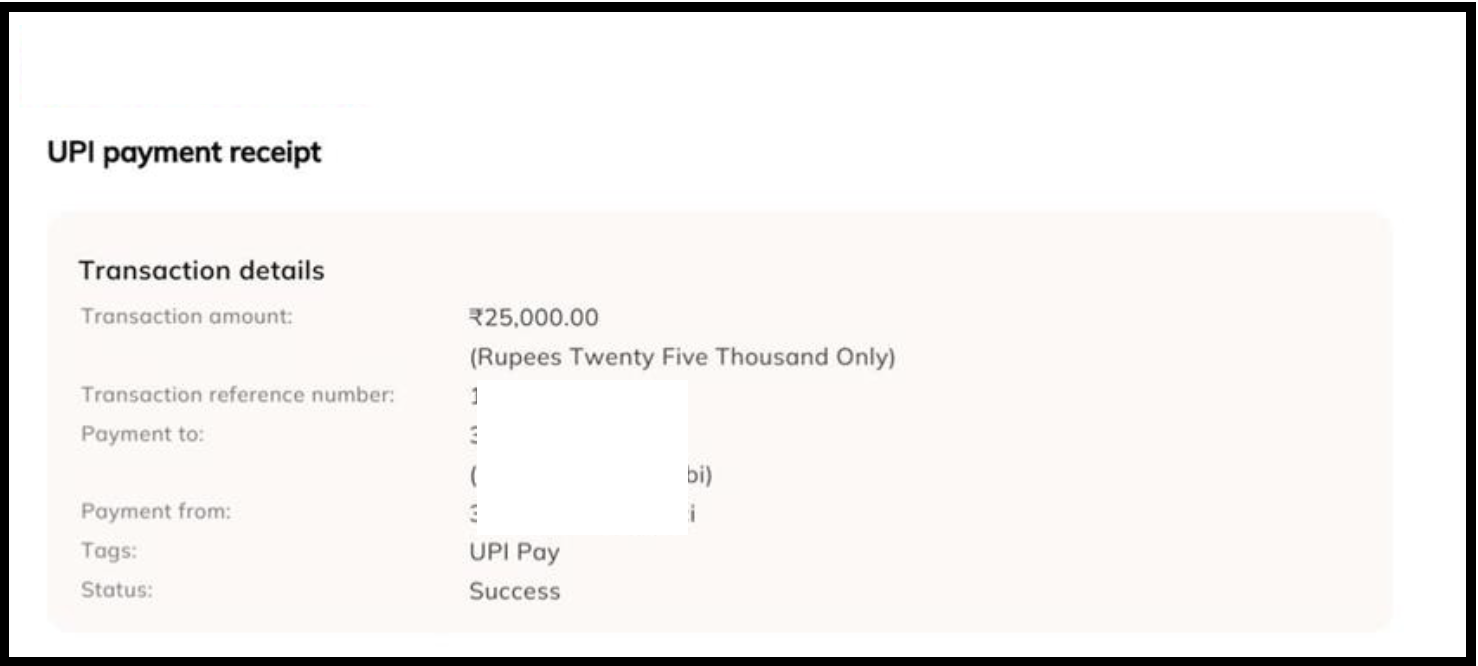
Notice the shape: Fees of 30,400 against a loss of 34,000, so roughly half the claim was fees.
That matters, and it is a separate pattern worth understanding on its own. If you want the full picture on how the fee-to-loss split changes what comes back, the stock advisory refund breakdown covers it in detail.
Talked yourself out of filing because the amount felt too small?
We look at what you paid, what you lost, and what the firm is likely to do with a claim your size, then tell you honestly whether it is worth your time.
Register with us for a free consultation.
Minimum Amount for SEBI Complaint: There Is No Floor
A common belief is that a complaint needs to cross some threshold before anyone will look at it.
There is no minimum amount. A complaint about 50,000 enters the same process as a complaint about 5,00,000. The regulator does not filter by size.
What changes with size is not eligibility. It is the firm’s behaviour. A small claim gets settled because settling is cheap. A large claim gets contested because contesting is worth the cost.
So the question is not whether your amount is big enough to file. It is whether the process is worth your time for the amount involved.
That is a fair question, and it deserves an honest answer.
Is It Worth Filing a Complaint Against an Advisory for a Small Amount
Filing is not free of effort, even when it is free of fees.
Time is the real cost. You are pulling together payment records, exporting chat histories, writing out what happened in a sequence someone else can follow. That is a few hours of work, not a few minutes.
Then there is waiting. These matters do not resolve in weeks. The two small cases above still took months. Nobody can give you a date at the start.
And there is the chance of nothing. Every case in the table recovered something. Cases that recover nothing exist. Filing is not a guarantee.
Weigh that against the outcome. In these two cases, a few hours of document work and some months of waiting returned around 50,000 each. Whether that trade is worth it is your call, but it should be made with the actual numbers rather than a guess.
Documents You Need for a Small Amount Refund From Advisory
The good news about a small claim is that it usually has fewer documents to gather.
- Payment records first: Bank statements, UPI records, credit card statements. In the 77.5% case, the fee was paid in parts, which means several transactions rather than one. Every one of them counts.
- Chat records second: The instruction to add funds. The assurance of recovery. The lot size recommendations. In these cases, the entire relationship ran on WhatsApp, which means the record sits on the client’s phone right now.
- Account statements third: They connect the instruction to the trade that followed it.
Export all of it today. Chat histories get cleared. Numbers stop working. The gathering is the part you control, and it is the part that decides the outcome.
Once you have the documents, the route depends on the entity. A SEBI SCORES complaint starts the registered route. SMART ODR is where an unresolved grievance goes next.
Conclusion
The instinct to write off a small loss is understandable and, on this evidence, wrong.
The two smallest claims in our files recovered 77.5% and 76.9%. The two largest recovered 66.7% and 57.1%. The likely reason is not fairness. It is that a small claim is cheaper for a firm to settle than to fight.
That works in your favour, and most people never find out because they never file.
The amount that feels too small to chase may be the exact amount most likely to come back. Work out what you actually paid, gather what you can prove, and decide with the numbers in front of you rather than the assumption.
Report. Recover. Stay Fraud Free.
Frequently Asked Questions
No. The process does not filter by claim size. A 50,000 complaint follows the same route as a 5,00,000 one. What changes is how the firm responds, not whether you are allowed to file.
In these cases they did, and the smaller claims settled at higher rates than the larger ones. Contesting a small claim can cost a firm more than paying it, which tends to work in the client's favour.
Not to file. The routes are designed for individuals. What matters more is whether your documents are complete and organised, because that is what the process actually turns on.
That is common and it does not weaken the claim. Each transfer is a separate record proving a separate payment. In one of these cases the fee came in parts and every part counted toward the claim.
Yes. Several clients in these files were never issued an invoice. The bank record proves the payment happened, and the missing invoice is a failure the firm has to explain, not you.





 Add us as a preferred source on Google »

