

You trusted a broker, dealer, relationship manager, or advisor to handle your trading account properly.
But now you are seeing trades you did not clearly approve, losses you do not understand, or shares sold without proper communication.
If you are searching “how to file a complaint against account handling”, you may already suspect that your account was not handled correctly.
This blog explains what to check, what evidence to collect, and how to take action before important records disappear.
When to File an Account Handling Complaint?
Demat and trading account handling is illegal in India in almost every form in which it is typically offered.
Understanding this clearly is the starting point for your complaint, because the law is squarely on your side.
An account handling complaint usually means the investor believes their trading or demat account was not managed, operated, or communicated properly.
This may involve:
- Unauthorised trades.
- Dealer-driven transactions.
- Excessive trading.
- Margin-related liquidation.
- Wrong risk explanation.
- Missing order confirmation.
- Poor response from the broker.
However, every market loss is not an account handling issue.
If your relationship manager says “don’t worry, we will recover it” but avoids written answers, that is a serious warning sign.
At this stage, do not argue only on phone calls. Start collecting documents.
How To Raise A Complaint Against Account Handling?
Many investors realise something is wrong only after significant losses.
Once you have identified the warning signs in your situation, the strength of your complaint depends entirely on how well you document it before filing.
Follow these steps to file a complaint:
Step 1: Prepare a Clear Timeline
Write down the dates of disputed trades, loss amount, names of broker staff involved, and what you had actually instructed.
A clean timeline helps the complaint look factual instead of emotional.
Step 2: Complain to the Entity First
Whether the account handler is an individual, a Telegram group admin, or a registered broker who crossed the line, your first move must be a formal written complaint.
This is both a legal prerequisite for most formal channels and your first chance to create an undeniable paper trail.
Step 3: Lodge a Complaint with SCORES
If the issue still remains unresolved, you may file a complaint on SEBI SCORES.
SEBI describes SCORES as an online grievance redressal platform for complaints relating to the securities market against SEBI-regulated entities.
Step 4: File Complaint in SMART ODR
SEBI’s SMART ODR platform provides conciliation and arbitration for disputes in the securities market.
You can initiate ODR at any stage, but once you do, the SCORES complaint is treated as disposed of.
Step 5: Stock Market Arbitration
If the dispute is still not resolved, you may explore stock market arbitration, depending on the facts.
NSE’s investor guide notes that investors can file an arbitration against a trading member when there is a dispute.
Real Case Study: How One Investor Recovered ₹14.37 Lakh After 795 Unauthorized Trades?
A trader deposited approximately ₹15.20 lakh into his trading account and later discovered that hundreds of trades had been executed without his direct involvement.
On a single afternoon, the account reportedly recorded 795 transactions within seconds, while brokerage charges alone crossed ₹9.13 lakh.
The investor alleged that the trades were driven by repeated assurances of high monthly returns and pressure to continue trading.
After reviewing the account records, communication history, and transaction pattern, the matter was challenged through the formal dispute-resolution process.
The investor ultimately secured a recovery award of approximately ₹14.37 lakh, demonstrating how documentation and timely action can make a significant difference in account handling disputes.
This is the case of IIFL Securities account handling.
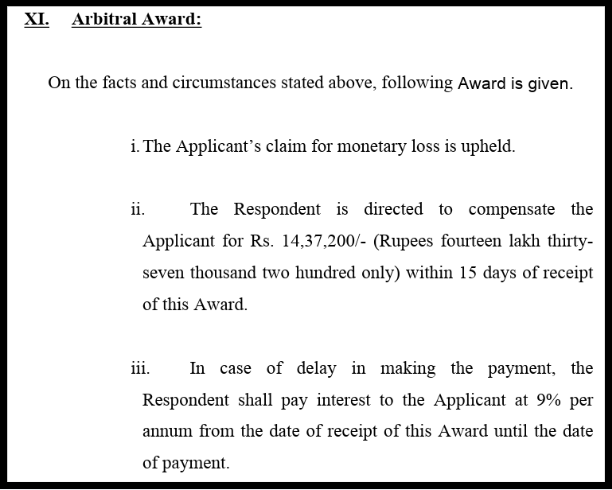
When investors discover trades they did not clearly approve, one of the first questions they ask is: is account handling legal in India?
In most situations, brokers or advisors cannot place discretionary trades or operate a client’s account without explicit authorisation for each transaction, making proper consent a critical issue in many account handling disputes.
The case highlights an important lesson for investors: when account handling disputes arise, call recordings, trade records, account statements, and written communications often become the most important evidence.
These cases also demonstrate that investors should not assume that disputed account activity cannot be challenged through the available grievance and arbitration framework.
Need Help?
Already lost money through an account handling arrangement? A professional assessment at this stage is worth significantly more than the cost of getting it wrong.
Our team can review your contract notes, ledger, order book, demat records, WhatsApp chats, emails, and broker responses.
We help investors organise evidence, draft complaints, file through the correct grievance route, and understand whether SCORES, SMART ODR, or stock market arbitration may be suitable.
Register with us and share your case details for review.
Conclusion
An account handling complaint should be based on documents, not only verbal claims.
If you notice unauthorised trades, unclear margin action, excessive trading, or poor broker response, collect records immediately and complain in writing.
Start with the broker, escalate to the exchange, use SEBI SCORES where required, and consider SMART ODR or stock market arbitration if the dispute remains unresolved.
Frequently Asked Questions
1. Can I complain if trades were done without my permission?
Yes. If trades were placed without clear authorisation, ask the broker to provide order proof, call recordings, digital confirmation records, or written instructions.
2. What is account handling in trading?
Account handling refers to how your broker, dealer, or relationship manager manages account activity, trade execution, communication, margin alerts, and instructions.
3. Can I recover money from unauthorised trading?
Recovery may be possible if the disputed trades were not properly authorised and the broker cannot produce valid evidence supporting the orders.
4. What if my broker says I authorised the trades?
Ask the broker to provide proof of authorisation, such as call recordings, order logs, digital tokens, OTP/TPIN records, or written instructions.





 Add us as a preferred source on Google »

