
Quick Summary
Dil Se Trader is a stock market research platform run by SEBI-registered Research Analyst Gokul Chhabra, based in Saharanpur, Uttar Pradesh. It operates through an app, a Telegram channel with over 84,000 subscribers, a website, and WhatsApp groups. Public communications from the channel include a structured deposit-and-return scheme promising fixed profits, urgency-driven premium upsells, a broker and algo-app bundling offer, and an auto-trading push to paid members. User reviews describe delayed signals, unresponsive support, changed terms after payment, and aggressive data collection before any value is delivered. This blog covers every platform in detail, checks each claim against SEBI’s rules, and lays out the complaint process.
Dil Se Trader promises real-time trade signals, a large trading community, and professional-looking research, all through an app, a Telegram channel, and a website.
The registration behind it is genuine. What happens across its public channels is a separate question worth examining carefully.
This page goes through the platform itself, the specific patterns found in its public communications, and what actual subscribers have reported.
Dil Se Trader Review
Before judging whether Dil Se Trader is worth subscribing to, it helps to understand what the platform actually consists of across every channel it operates on.
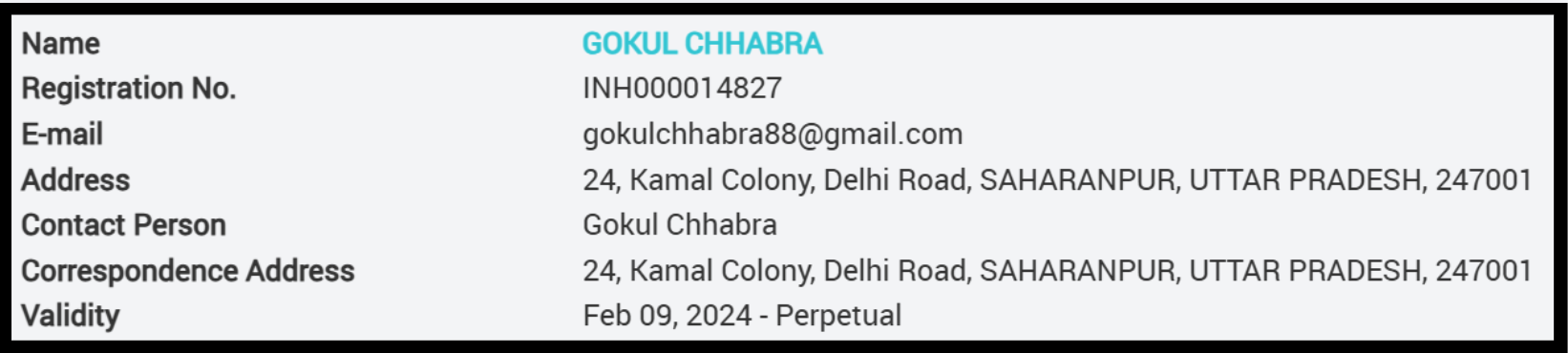
Dil Se Trader is run by Gokul Chhabra, a SEBI-registered Research Analyst based in Saharanpur, Uttar Pradesh, holding registration number INH000014827.
The platform operates across five channels simultaneously:
- The Dil Se Trader Pro app: Available on both Android and iOS, offering live index option signals for NIFTY, BANKNIFTY, and FINNIFTY, with defined entry points, exit zones, stop-loss levels, and BTST recommendations. It also includes trading psychology courses and portfolio analytics.
- The Telegram Channel: @dilsetrader7, carrying over 84,000 subscribers, is the main free entry point into the platform’s paid offerings.
- The Website: dilsetrader.in, where subscription plans are sold directly.
- WhatsApp Groups: Used for paid subscriber communication and delivering trade calls.
- A YouTube Channel: Used for broader educational content and market commentary.
The app’s own listing describes itself as an AI-driven platform and carries a disclaimer directly on its Google Play page, stating:
No guaranteed returns. All insights are research-based recommendations provided as per SEBI Research Analyst guidelines.
That disclaimer sits in sharp contrast with several patterns found in the channel’s actual communications, covered in full below.
dilsetrader7 Telegram Channel
The free Telegram channel functions as the entry point into the platform’s paid tiers, a structure common across this space: build trust with free content, then convert that trust into paid subscribers.
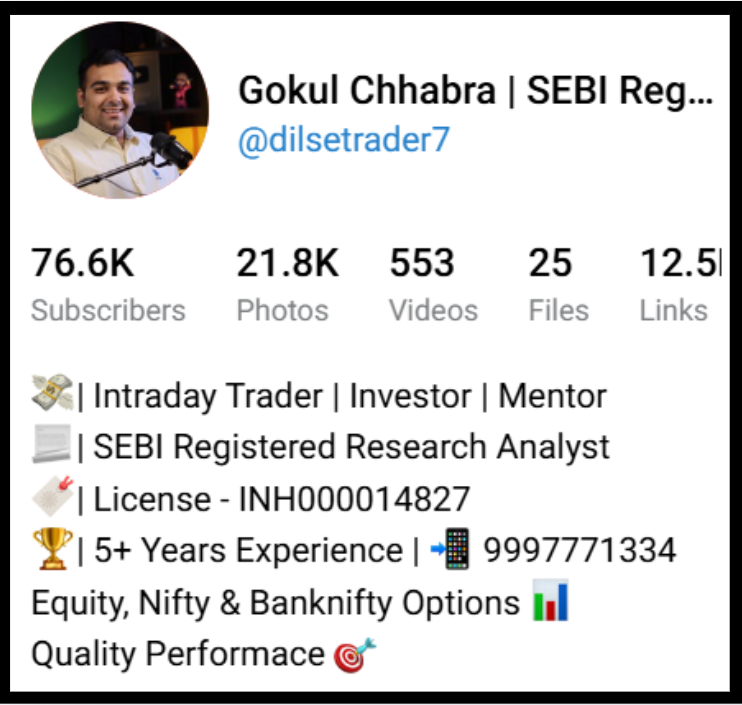
@dilsetrader7 has grown to over 76,000 subscribers, and that scale is exactly why the channel’s content deserves closer scrutiny than a typical social media page.
A large following gets treated as social proof by new visitors, whether or not the underlying content actually holds up to regulatory standards.
Posts on the channel often use language like “sure shot” attached to specific entry levels and targets.
That phrasing matters more than it might seem; it frames a trading recommendation as a certainty rather than a probability-based view, creating urgency in the reader well before there’s been any real opportunity to evaluate the call, the analyst’s track record, or the platform itself.
This pattern of urgency shows up repeatedly across the channel, not as an isolated post but as a consistent communication style, and it’s worth understanding before it’s mistaken for confidence rather than pressure.
What actually matters here isn’t whether the channel is popular or active; both are true, and neither is in question.
What matters is whether the specific content posted stays within what a SEBI-registered Research Analyst is legally permitted to communicate, since a large free channel operating outside that boundary creates exposure at scale, for tens of thousands of subscribers at once, not just one individual client relationship.
The sections below break down exactly where that boundary gets tested.
dilsetrader7 Telegram Channel Violations
Six distinct patterns show up across the channel’s public posts, each worth understanding on its own terms.
1. Guaranteed Returns Tied to Deposits
Screenshots from the channel show a structured deposit-and-return schedule, promising fixed profits within a set timeframe.
- A ₹15,000 deposit becoming ₹60,000 in 2 hours, shown in one post.
- A broader schedule ranging from ₹7,000 to ₹1 lakh in deposits, each paired with a promised return, including a ₹7,000 deposit returning ₹28,000 in one hour and a ₹1 lakh deposit returning ₹4 lakh in 24 hours.
This is a direct and serious violation of SEBI norms.
A registered Research Analyst is expressly prohibited from promising or guaranteeing returns of any kind, soliciting deposits in exchange for profit-sharing, or representing that a fixed sum will be returned within a set timeframe.
This type of communication also resembles deposit-taking or investment-pooling structures, which require an entirely separate registration category, PMS, AIF, or Investment Advisor, that an RA license does not cover.
2. Urgency-Driven Selling Toward Premium Groups
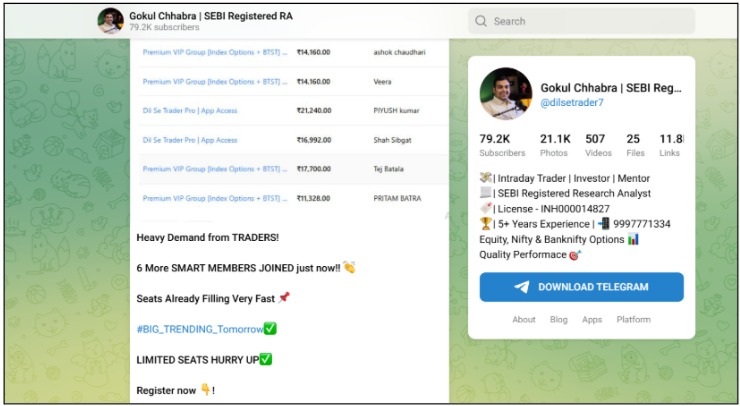
Public posts show lists of recent subscriber payments.
- One version ranges from ₹12,000 to ₹47,813.
- A separate version ranges from ₹11,328 to ₹21,240.
Alongside these payment lists, the channel uses phrases like “HURRY UP Traders!!,” “6 More SMART MEMBERS JOINED just now!!,” “HEAVY DEMAND!!,” “Seats Already Filling Very Fast,” and “OFFER ENDING SOON!!”
SEBI’s Code of Conduct for Research Analysts requires that recommendations be based on independent research, not sales pressure.
SEBI specifically requires that subscribers be given adequate time to evaluate an advisory service before committing to it.
Pressure-selling that deliberately bypasses this evaluation window contradicts that requirement directly, not just the general spirit of fair dealing.
3. Broker Referral Bundled With an Algo App
A channel post promotes what it calls the “Hero Zero Trading Plan,” asking traders to complete three steps:
- Join a VIP group.
- Open a specific brokerage account.
- Download a separate algo trading app.

Bundling a research subscription with a specific broker account and a third-party algo app raises a direct question worth asking before you sign up: is this broker referral tied to a commercial arrangement, and does subscribing involve any financial relationship beyond the stated subscription fee?
4. An Auto-Trading Push to Premium Members
A message directed at paid subscribers instructs them to connect their brokerage account for “seamless Auto Trading execution,” listing benefits including:
- One-click trade execution.
- Automatic stop-loss placement.
- Faster entries and real-time execution.

An RA’s entire regulatory framework is built on the idea that investors receive a research opinion and make their own decision.
Once a broker account is connected for automated execution, that line blurs considerably; trades happen without the investor individually reviewing each one, which sits uneasily against what an RA registration is meant to permit.
5. Selective Showcasing of Profitable Signals
The app’s signals section highlights trades marked “Closed In Profit,” with specific gains like 16.53% and 20.36% displayed prominently.
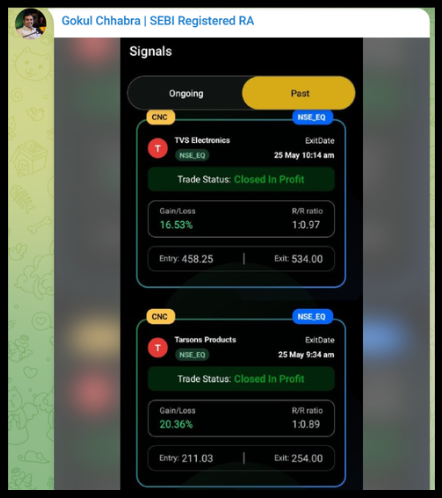
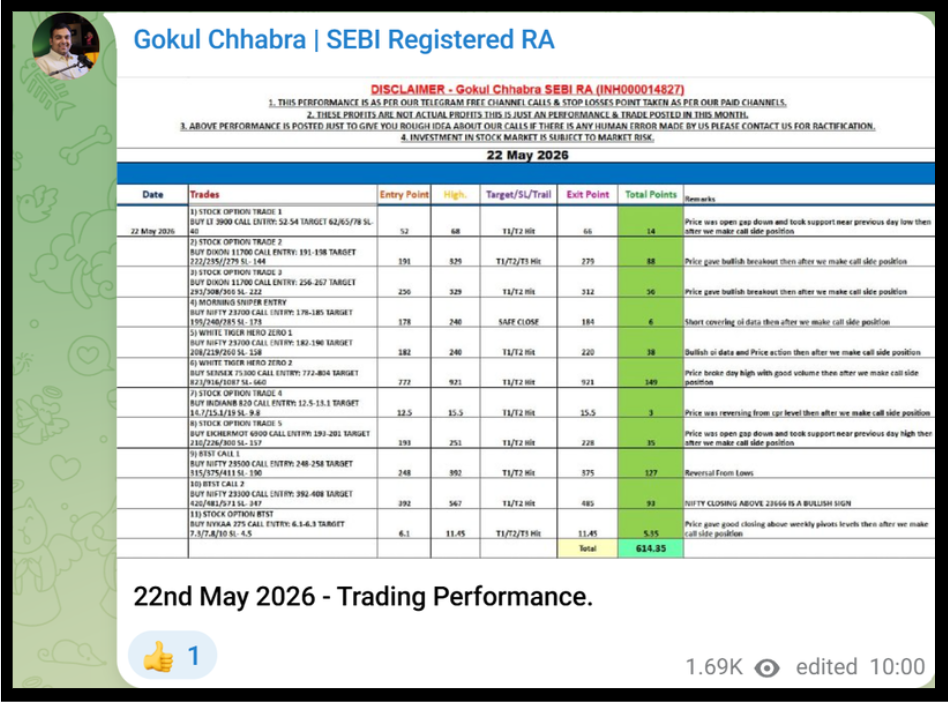
A separate performance report posted to the channel, dated 22 May 2026, lists 614.35 points across 11 trade calls.
That performance report carries its own disclaimer worth reading closely:
- The profits shown aren’t actual subscriber profits.
- The figures are based on free-channel calls only.
- Stop-losses differ in paid channels.
- The data is posted only to give a rough idea.
That disclaimer means the headline numbers don’t represent what a paying subscriber actually experienced. SEBI’s Research Analyst
Regulations require balanced, complete performance disclosure, wins and losses shown together, not just the best outcomes.
6. Auto Trading Push With a Deeper Regulatory Problem
Beyond the basic auto-execution offer, the underlying setup raises a sharper concern.
SEBI’s algorithmic trading framework, updated with regulations effective April 2026, prohibits open APIs for uncontrolled third-party platforms.
Any “black box” algorithmic strategy offered to retail users requires the provider to hold a SEBI Research Analyst license and separately maintain documented research reports explaining the algorithm’s actual logic.
Encouraging subscribers to connect their broker for automated execution through a third-party setup, without confirmed exchange empanelment and this compliance framework in place, raises questions that go beyond a simple convenience feature.
Also Read: Moneyplant Research, a firm found crossing SEBI’s ₹1,51,000 fee cap without any warning shown.
What SEBI Does Not Allow Telegram Channels to Do?
Taken together, the patterns above point to a clear regulatory boundary.
SEBI prohibits Telegram channels operating in the advisory space from the following.
- Promising or guaranteeing fixed monetary returns in exchange for deposits.
- Showing only profitable trades while hiding stop-loss hits and losses.
- Using urgency and artificial scarcity to pressure subscribers into paid plans.
- Operating AI scalping bots or auto-trading systems for retail clients without proper exchange empanelment.
- Circulating deposit-and-return schemes, regardless of how they’re framed.
- Soliciting broker credential connections through unverified, non-empanelled third-party systems.
- Using social proof, payment receipts, and membership counts as a sales pressure tool instead of research-based recommendation.
A SEBI registration number doesn’t grant unlimited freedom. It comes with a Code of Conduct, and every communication, including a Telegram post, has to comply with it.
Dil Se Trader Reviews
The clearest picture of any platform comes from the people who have actually paid for it. The following reviews have been sourced from Google and other publicly available platforms.
We have not independently verified the identities of these reviewers or the accuracy of their individual claims, but the patterns they describe are consistent enough to deserve serious investor attention.
Here are six real user reviews, each highlighting a distinct concern:
1. Poor Trade Accuracy and Consistent Losses in FnO
A user stated that the FnO calls regularly hit stop-loss levels and caused repeated losses.
Moreover, the platform allegedly never shared verified accuracy reports or audited performance records.

As a result, the subscriber questioned whether the recommendations were backed by proper market analysis. He eventually felt the trade calls lacked consistency and reliability for active traders.
2. Service Not Matching What Was Promised After Payment
One subscriber claimed the actual service looked very different after payment was completed. Initially, the platform reportedly promised premium research support and high-quality guidance.

However, the user later felt the delivered service failed to match those claims. Additionally, the review raised concerns about overly positive online ratings unfairly influencing new subscribers.
3. Inconsistent Offers and Unresponsive Support After Payment
A user alleged that the platform changed subscription-related commitments after receiving payment.
Meanwhile, customer support allegedly stopped responding properly once the transaction was completed.
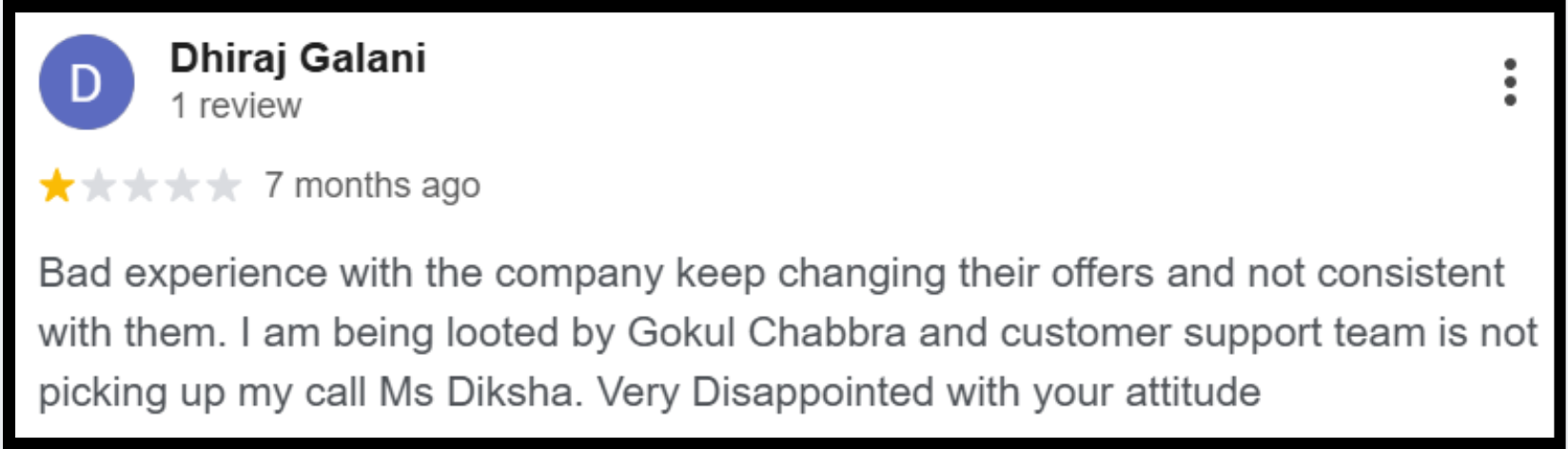
Consequently, the subscriber struggled to get updates, clarifications, or issue resolution. This communication gap reportedly created frustration and distrust among paying users.
4. Aggressive Data Collection Before Delivering Any Value
One reviewer claimed the platform focused heavily on collecting personal details during the onboarding stage. However, the user reportedly received very little practical value from the free offering itself.
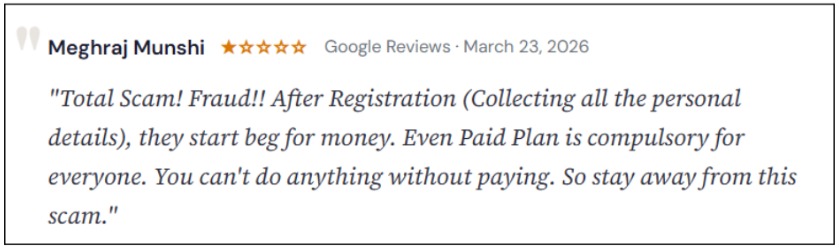
As a result, the subscriber questioned whether the free tier mainly existed for lead generation purposes. He advised traders to understand exactly how their information would be used before signing up.
5. Social Media Ads Leading to Paid Pressure
A user explained that the platform initially attracted traders through aggressive social media advertisements. Soon after registration, the subscriber allegedly faced repeated pressure to purchase paid plans.
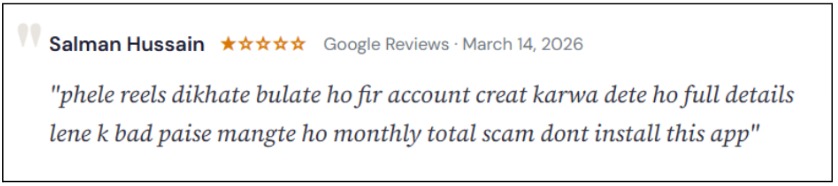
Furthermore, the marketing approach reportedly relied heavily on urgency-driven promotional tactics. The reviewer felt the focus appeared more sales-oriented than research-oriented.
6. Delayed Signals Causing Direct Trading Losses
One subscriber stated that trading signals frequently arrived several minutes late during live markets. Consequently, many entries became ineffective or financially damaging by the time alerts appeared.
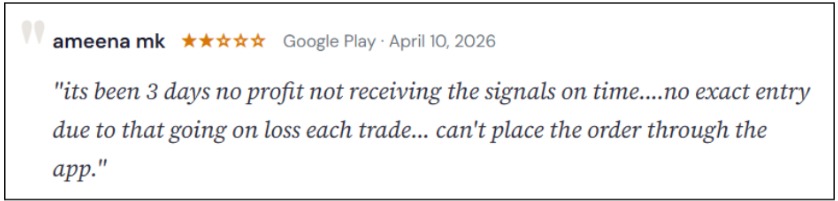
The user argued that real-time execution is critical for intraday trading strategies. Therefore, delayed alerts reportedly caused direct losses and reduced confidence in the service.
For the person actually accountable for these claims, his background, registration verification, and official SEBI complaint record are covered in full on our RA Gokul Chhabra profile.
Not sure whether a specific claim or trade call you were sold crosses a line SEBI actually enforces?
We check the claim against the platform’s own disclaimers and SEBI’s rules, and tell you plainly where it stands.
What to Verify Before You Subscribe to Dil Se Trader?
Everything covered earlier in this blog points to one conclusion: registration alone doesn’t tell you whether a platform is safe to pay for.
Here’s the full set of checks that matter specifically here, before you commit any money.
1. Confirm the Registration Independently
A SEBI registration check on the official database confirms whether INH000014827 is genuinely active and matches Gokul Chhabra’s name; don’t rely on the number as displayed in the Telegram bio or app listing.
2. Treat Any Deposit-Return Promise as Disqualifying
The schedules circulated in this channel, a ₹15,000 deposit becoming ₹60,000 in 2 hours, should end further consideration immediately.
No registered RA can legally make this kind of claim, regardless of the timeframe or amount.
3. Check Whether Complaint History Is Easily Accessible
Dil Se Trader’s complaint data is publicly disclosed, which is itself a positive sign. A transparency gap on this specific point would have been an early warning worth acting on before subscribing.
4. Look for Balanced Performance Disclosure
Dil Se Trader’s own signals section highlights gains like 16.53% and 20.36% prominently, while stop-loss hits and losing trades receive far less visibility.
Ask for the full track record, wins and losses together, not just the highlighted profitable calls or the 22 May 2026 performance report, which carries its own disclaimer admitting it doesn’t reflect actual subscriber outcomes.
5. Watch the Communication Style Itself
Phrases like “HURRY UP Traders!!” and “6 More SMART MEMBERS JOINED just now!!” are the countdown-timer, limited-seats pattern in practice, sales pressure dressed up as market urgency, not research.
6. Ask What the Broker or Algo Bundle Actually Involves
Get clarity in writing before joining the “Hero Zero Trading Plan” or any similar offer that combines research with a specific broker account and algo app download.
7. Never Connect a Broker Account Without Full Clarity
Understand exactly what control you’re handing over before enabling the “seamless Auto Trading execution” feature promoted to premium members.
8. Test Support Before You Pay
Send a query as a free channel member first. If support doesn’t respond before you’ve paid, it’s unlikely to improve once you have, exactly the pattern reviewers describe experiencing after payment.
9. Ask Existing Subscribers About Signal Timing
For an intraday-focused service like this, ask current subscribers directly whether alerts arrive before or after the ideal entry point has already passed, a specific complaint raised in multiple reviews covered earlier.
10. Read SEBI’s Own Guidelines for Research Analysts
Having read them makes it immediately clear why the deposit-return promises and auto-trading pushes covered on this platform fall outside what any RA registration permits.
11. Check Google Play and Google Maps Reviews Specifically
This is exactly where several of the user complaints covered earlier in this blog, delayed signals, unresponsive support, changed terms after payment, actually surfaced. Official channels didn’t disclose any of it.
How to File a Complaint Against Dil Se Trader?
If you’ve already subscribed and experienced something covered above, financial loss, misleading claims, or a service that didn’t match what was promised, there’s a defined path to escalate it.
- Collect Your Evidence. Payment receipts, subscription screenshots, chat records, trade recommendations, and any promises made in writing.
- Draft Your Complaint Clearly. Mention exact dates, payments, promises made, and losses faced, using factual language rather than emotional accusations.
- Raise It With the Platform Directly. In writing, keeping a copy of both your message and any response.
- File Through SEBI SCORES. If direct contact doesn’t resolve things, file through the SEBI SCORES portal, attaching your full evidence trail.
- Escalate to SMART ODR. For disputes that remain unresolved, escalate through SMART ODR login, which handles conciliation and structured resolution before court involvement becomes necessary.
- Consider Formal Arbitration. If the matter still isn’t settled, formal stock market arbitration through the relevant exchange mechanism is available.
If your issue involves a Research Analyst specifically, our guide on complaint against SEBI registered research analyst covers the full process in depth.
Conclusion
Dil Se Trader is a real, actively operating platform, a genuine SEBI registration, a large subscriber base, and a structured multi-channel presence.
That much checks out.
What doesn’t sit as comfortably are the specific patterns documented across its public communications: a deposit-and-return scheme promising fixed profits, urgency-driven premium selling, a broker and algo-app bundle, an auto-trading push with real regulatory implications, and performance figures that carry their own disclaimer admitting they don’t reflect actual subscriber outcomes.
None of this means the registration is fake. It means registration and day-to-day conduct are two separate questions, and only one of them is settled here.
Report. Recover. Stay Fraud Free.
Yes, the platform is run by Gokul Chhabra, who holds SEBI Research Analyst registration INH000014827. The app's own Google Play disclaimer states no guaranteed returns are offered. That said, deposit-and-return schedules promising fixed profits have circulated in the platform's Telegram groups, a direct contradiction of that disclaimer. No. Its promotional messaging pushes subscribers to connect their broker account for automated execution, but an RA registration doesn't cover trade execution, only research and recommendations. Its public channels and app largely highlight profitable calls, like the 16.53% and 20.36% gains shown prominently, with limited visibility into stop-loss hits, which falls short of SEBI's balanced disclosure requirement. Document exactly what was promised versus delivered, raise it with the platform in writing first, and escalate through SEBI SCORES if it isn't resolved.Frequently Asked Questions





 Add us as a preferred source on Google »

