
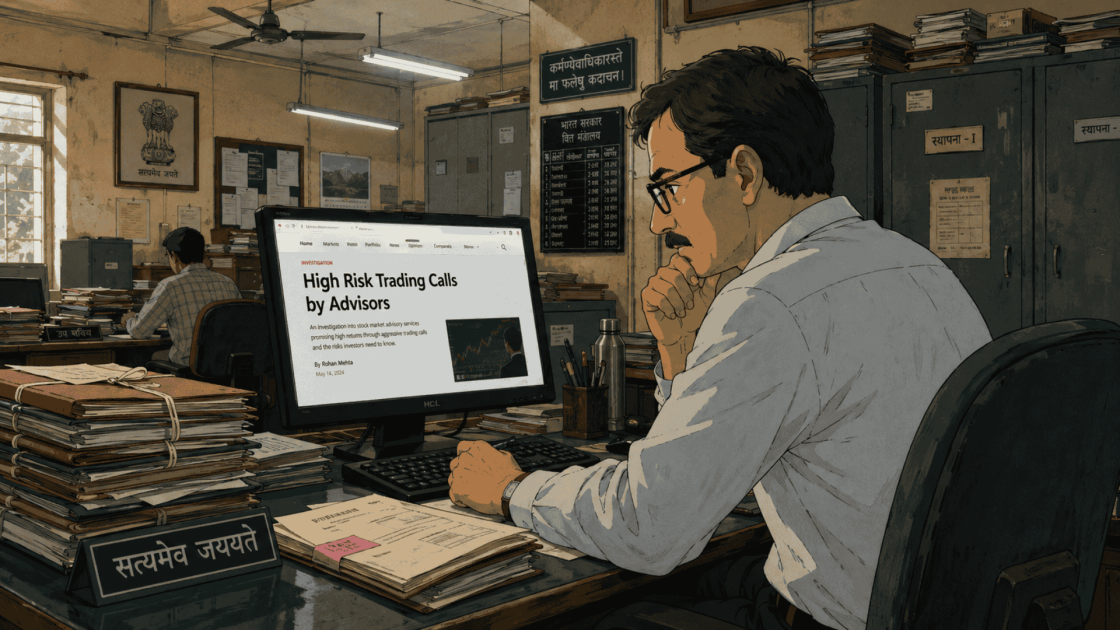
One aggressive trading call can destroy months of hard-earned savings within hours. Yet thousands of traders still follow risky market tips without questioning the advisor properly.
Screenshots showing massive profits often hide painful losses and dangerous trading strategies underneath.
Many advisors create urgency because emotional traders usually make faster and riskier financial decisions.
That is exactly why understanding these high risk trading calls becomes extremely important today.
In this blog, you will understand warning signs, SEBI rules, real cases, and complaint steps.
Can SEBI Registered Advisors Give High Risk Calls?
High risk trading calls are aggressive market recommendations involving significant chances of financial losses. These calls usually focus on options trading, leverage positions, or fast-moving intraday opportunities.
Many advisors promote these calls by highlighting profits while quietly ignoring repeated failed trades. Some traders enter these positions without understanding volatility, expiry risks, or sudden market reversals.
Many traders wrongly believe registration automatically makes every trading recommendation completely safe and reliable.
However, even registered advisors must follow strict compliance standards established by Indian market regulations.
The Securities and Exchange Board of India expects advisors to maintain transparency while protecting investor interests responsibly throughout their services.
What can an SEBI registered investment advisor do to ensure they stay compliant?
Some important SEBI-related expectations include:
- Advisors cannot promise guaranteed or assured market returns.
- Proper risk disclosures must accompany trading recommendations.
- Client suitability must remain important before giving aggressive market advice.
- Misleading advertisements and manipulated profit claims remain prohibited.
- Advisors must maintain ethical communication with investors consistently.
- Registration details should remain clearly visible for verification purposes.
- Advisors should avoid emotionally pressuring clients into risky financial decisions.
These rules exist because aggressive and misleading market advice can financially destroy ordinary investors quickly. That is why traders should verify both registration status and actual advisory behavior carefully.
You can also verify advisory details through official platforms managed by the National Stock Exchange of India and the Bombay Stock Exchange.
Should You Trust High Risk Trading Calls by Advisors?
High risk trading calls often sound exciting because they promise quick profits within very short periods. Many advisors use confidence and urgency to convince traders to take extremely risky market positions.
Some calls may be based on genuine analysis, while others simply rely on emotional manipulation tactics. That is where the real danger begins for inexperienced and emotionally stressed market participants.
Common examples include:
- Expiry day options trading calls.
- Heavy leverage-based futures trading.
- Intraday jackpot recommendations.
- BTST and STBT trading calls.
- Penny stock momentum recommendations.
- “Double money” style market claims.
- Trades without proper stop loss guidance.
Risk itself is not illegal or unusual within the stock market environment. The problem starts when advisors hide risks while aggressively promoting unrealistic profit expectations.
Warning Signs You Should Never Ignore
Not every trading advisor operates with transparency, honesty, or genuine concern for investor safety today. Some advisors use aggressive marketing tactics to attract emotionally driven and financially vulnerable traders quickly.
The problem becomes dangerous when risky trading calls are presented as guaranteed profit opportunities consistently.
Recognising early warning signs can help traders avoid manipulation, financial stress, and significant market losses later.
That is why understanding these red flags becomes extremely important before trusting any trading advisor completely.
1. Guaranteed Profit Claims
No genuine market expert can promise fixed returns from unpredictable market movements consistently.
Advisors making guaranteed profit claims usually target emotionally vulnerable and inexperienced traders aggressively.
2. Pressure to Upgrade Premium Plans
Many advisors create fear intentionally because panic often pushes traders toward expensive subscriptions quickly.
They may claim exclusive groups contain “secret” calls producing extraordinary profits every single week.
3. No Proper Risk Discussion
Responsible advisors always discuss downside risks before discussing potential profits from market opportunities.
Suspicious advisors usually avoid conversations involving stop losses, capital protection, or position sizing strategies.
4. Loss Recovery Promises
Loss recovery promises often trap traders inside even riskier and emotionally damaging trading positions later.
Many victims continue investing money because advisors promise a quick recovery from previous trading losses.
5. Unrealistic Profit Screenshots
Several Telegram groups display edited screenshots while hiding complete trading histories from potential subscribers.
This marketing strategy creates false confidence and encourages reckless participation among inexperienced market traders.
6. Excessive Focus on Options Trading
Options trading can generate profits quickly, but losses can also become extremely severe within minutes.
Aggressive advisors usually push options trading because dramatic profits attract attention much faster online.
What To Do If You Feel Misled by an Advisor?
Many traders stay silent after losses because they feel embarrassed or emotionally overwhelmed afterward.
However, ignoring misleading advisory practices can allow similar manipulation to continue affecting other investors repeatedly.
If an advisor used false promises, risky pressure tactics, or misleading trading claims, you should report them immediately.
Taking timely action can help protect your finances while also strengthening your complaint with proper evidence later.
That is why understanding the correct reporting process becomes extremely important for affected market participants.
Here’s what you can do:
Step 1: Collect Every Possible Evidence
Save screenshots, payment receipts, chat histories, and trading-related communication immediately after suspicious activity appears.
Strong evidence becomes extremely important while filing complaints or pursuing legal dispute resolution procedures later.
Step 2: Register a Complaint With the Advisor
Send a detailed written complaint explaining losses, misleading promises, and unethical trading practices clearly.
Keep records of emails, replies, and complaint acknowledgements for future legal or regulatory purposes.
Step 3: File a Complaint with SCORES
Investors can report suspicious advisory practices through the official SCORES complaint resolution platform managed by the Securities and Exchange Board of India.
Step 4: Register a Complaint with SMART ODR
SMART ODR helps investors resolve financial disputes digitally through structured and professionally managed procedures.
This platform can become useful when direct communication with advisors completely fails or becomes unresponsive.
Step 5: Share Market Arbitration
If disputes remain unresolved, investors may proceed toward arbitration through recognised exchange mechanisms officially.
This process may involve exchanges like the National Stock Exchange of India or the Bombay Stock Exchange, depending upon the complaint.
Need Help?
Many victims stay silent because they feel embarrassed after losing money through misleading trading advice. However, delaying action can make evidence collection and financial recovery efforts significantly more difficult later.
If you believe an advisor manipulated you through risky trading calls or false promises, seek guidance immediately.
You can register with us to understand complaint procedures, evidence preparation, and available escalation options properly.
Conclusion
High risk trading calls may appear exciting, but excitement often hides extremely dangerous financial consequences underneath.
A responsible advisor explains risks honestly instead of emotionally pushing traders toward reckless market decisions constantly.
Before trusting any advisor, always verify credentials, understand risks, and question unrealistic profit promises carefully.
Protecting your capital remains far more important than chasing dramatic profits from aggressive trading recommendations.





 Add us as a preferred source on Google »

