
Have you faced unexpected losses after following stock recommendations from an advisory firm?
If you are wondering, “Is Brightways Financial SEBI registered?” and feel like you have been misled, you are not alone.
Many traders find themselves in difficult situations after subscribing to services that do not deliver as promised.
Whether you are dealing with financial setbacks or questioning the legitimacy of the firm, understanding their regulatory status is the first step.
This blog explains the facts about Brightways Financial and provides simple, actionable steps to help you handle your situation.
Is Brightways Financial SEBI Registered or Not?
Brightways Financial Services is a stock market research and advisory firm operated under the proprietorship of Anitha M.
The firm primarily provides trading recommendations across intraday trading, equity delivery calls, and derivatives-based trading ideas, communicating them to clients through WhatsApp, SMS, and chat-based support systems.
Its focus appears to be on retail traders looking for market guidance and ready-made trading recommendations.
On the regulatory side, Brightways Financial Services holds a valid SEBI Research Analyst registration, meaning it is authorised to provide research-related services under the framework applicable to Research Analysts.
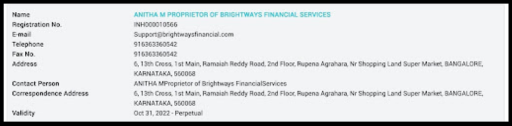
However, investors should understand one important distinction.
A SEBI registration does not mean SEBI guarantees profits, verifies every trading call, or certifies that recommendations will generate returns.
It simply confirms that the entity operates under a recognised regulatory framework. Before subscribing to any advisory service, always verify the firm’s registration status independently on SEBI’s official website.
Does SEBI Registration Mean Zero Risk for Investors?
This is where many beginners misunderstand how regulation works. Is SEBI regulation enough to protect your capital from losses?
A valid SEBI registration is definitely an important positive factor because it creates accountability and regulatory visibility.
It is generally safer compared to anonymous Telegram operators or unregistered stock-tip providers.
But stock market risk still exists.
Even SEBI-registered entities cannot guarantee profits because markets move unpredictably. Losses can happen in any trading strategy, especially in highly volatile segments like F&O trading.
This is why investors should evaluate advisory services not only through registration status but also through communication quality, transparency, risk disclosures, and overall service experience.
Brightways Financial Complaints
As part of SEBI compliance requirements, the firm publicly publishes complaint-related disclosure data.
According to available records:
- During 2024–25, the entity reportedly received 2 complaints and resolved all of them.
- During 2025–26, 3 complaints were reportedly received and marked as resolved.

- Monthly disclosures for March 2026 reportedly showed zero complaints pending.
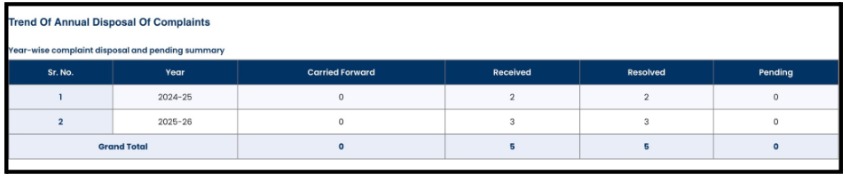
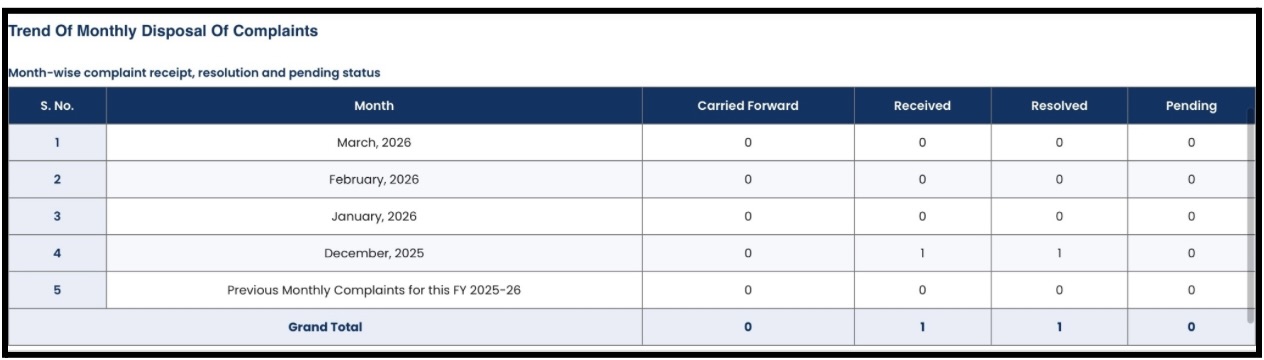
On paper, this indicates that complaints filed through formal channels were resolved.
At the same time, investors should understand that formal complaint statistics do not always reflect total customer dissatisfaction because many traders never escalate issues through SEBI systems officially.
Brightways Financial User Reviews
When traders search online for Brightways Financial reviews, they usually come across mixed feedback.
Some users discuss positive initial interactions, while others have shared concerns regarding losses, risk management, and post-subscription experiences.
1. Complaints About Initial Profits Followed by Heavy Losses
One reviewer claimed they were first approached through a phone call and initially received two profitable stock recommendations.
According to the user, this early success helped build trust in the advisory service.
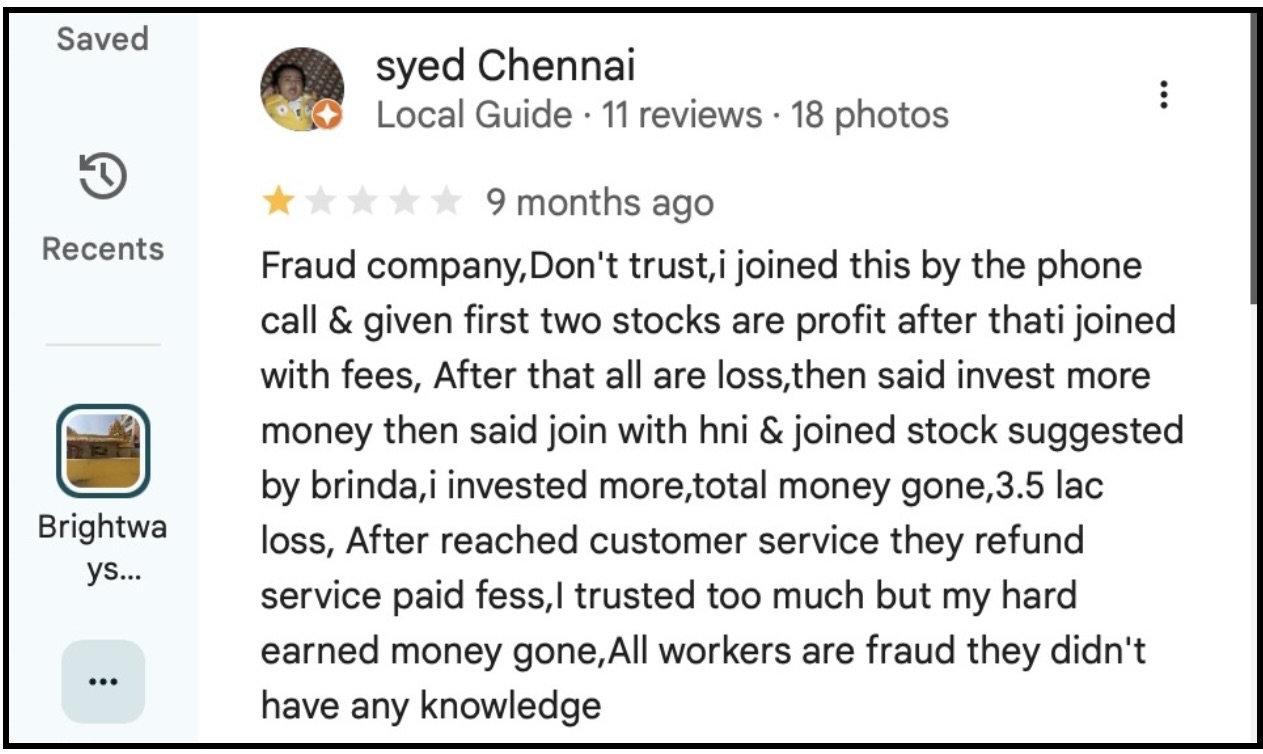
However, after paying subscription fees, the reviewer alleged that subsequent recommendations resulted in losses.
The user further claimed they were encouraged to invest more money and later upgrade to a higher-tier HNI plan. According to the review, the total trading loss reportedly reached around ₹3.5 lakh.
The reviewer also stated that while the service fee was later refunded after contacting customer support, the trading losses remained unrecovered.
This type of feedback highlights an important reality of stock market trading. Early profitable trades can sometimes create strong confidence among beginners, leading them to increase capital exposure without fully understanding the risks involved.
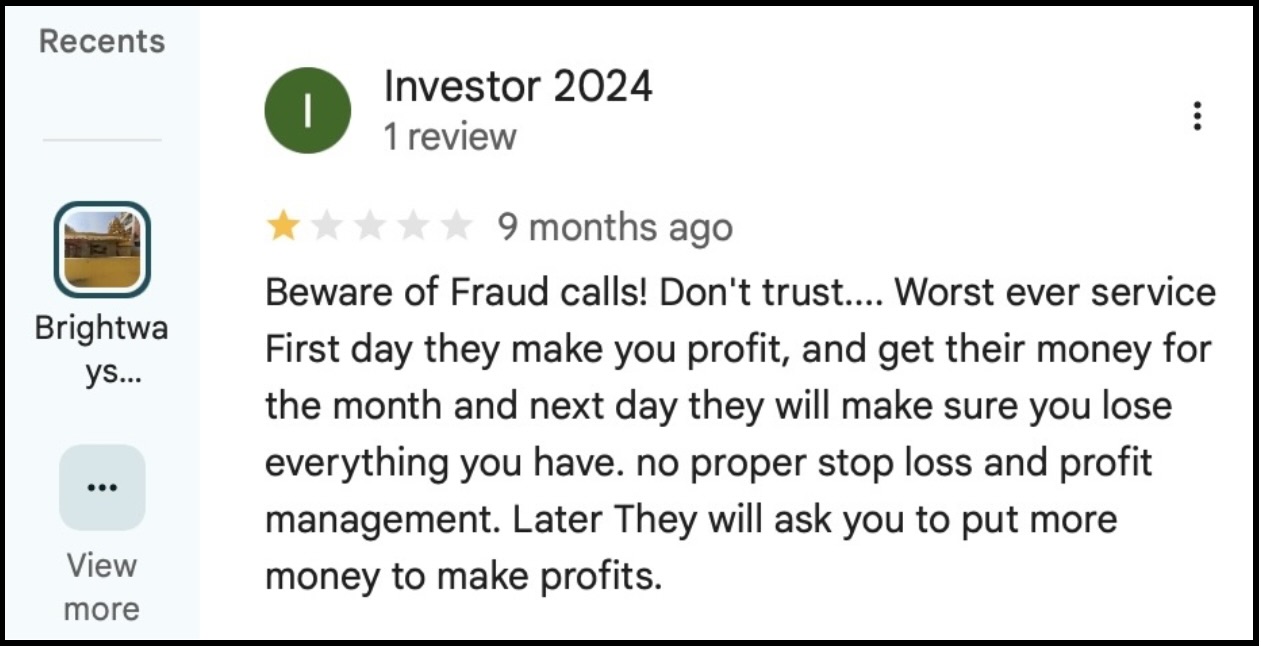
2. Concerns Around Loss Recovery Pressure
Another reviewer described the service as disappointing and claimed the first day’s trading experience showed profits, which encouraged them to continue.
According to the review, losses started increasing later, and the user alleged there was no proper stop-loss or profit-management system followed consistently.
The reviewer further claimed they were repeatedly encouraged to add more funds after losses in an attempt to recover earlier capital.
This is why retail traders should always be careful whenever emotional pressure is created after losses.
In volatile market segments like F&O trading, increasing capital aggressively during drawdowns can significantly increase financial risk.
Investors should always make independent decisions regarding capital allocation instead of reacting emotionally after a losing phase.
How To File A Complaint Against A Research Advisory?
If you subscribed to an advisory platform and later felt dissatisfied with the service, communication, or trading experience, it is important to handle the situation properly instead of reacting emotionally.
Here is a structured step-by-step process investors can follow:
1. Preserve All Proofs and Communication
Start by saving every important record connected to the advisory service.
This includes payment receipts, WhatsApp chats, Telegram messages, emails, screenshots of advertisements, trade recommendations, and subscription invoices.
If any statements related to profit assurance, recovery claims, or “sure-shot” returns were made during chats or calls, preserve those records carefully.
Even deleted messages, missed calls, or sudden communication gaps can sometimes become important later during dispute resolution.
2. Submit a Formal Written Complaint to the Company
Before escalating the matter externally, first raise the issue directly with the advisory firm.
Write a proper complaint explaining when you joined, what services were promised, what issue occurred, and what resolution you expect.
Keep the language professional and factual instead of emotional or abusive. Also, preserve copies of every reply received from the company because these records may later support your case during escalation.
3. Verify the SEBI Registration Status
Next, independently check whether the advisory entity is registered with SEBI as a Research Analyst or Investment Adviser.
This verification is important because complaint mechanisms like SCORES and SMART ODR generally apply to SEBI-registered intermediaries.
Investors should always confirm registration directly through SEBI’s official intermediary database instead of relying only on promotional claims.
4. File a Complaint in SCORES
If the issue remains unresolved or the response is unsatisfactory, you can escalate the matter through the SEBI Complaints Redress System (SCORES).
While filing the complaint, upload all supporting evidence properly and explain the timeline clearly.
Structured complaints supported by documents generally receive better attention compared to vague allegations.
SEBI forwards the complaint to the registered intermediary for response and resolution.
5. Raise a Complaint in SMART ODR
If the dispute continues, investors can move to the SMART ODR (Online Dispute Resolution) platform.
This mechanism helps resolve disputes digitally through mediation and conciliation without immediately entering lengthy court proceedings.
For many investors, this becomes an important step in resolving refund disputes or service-related disagreements in a structured manner.
6. Arbitration in Stock Market
If no resolution is reached even after ODR proceedings, arbitration may become necessary.
In arbitration, an independent authority reviews all documents, chats, agreements, payment records, and communication history before giving a legally binding decision.
This is generally considered the final structured dispute-resolution mechanism available for securities market-related financial disputes.
Need Help?
Feeling stuck after a bad advisory experience is more common than most traders think.
Many people are unsure whether what happened was simply market risk, poor service quality, or something that should actually be reported formally.
And honestly, after losses, it becomes difficult to think clearly. Some traders keep waiting for “recovery calls,” while others do not know where to complain or what proof they should preserve.
If you are confused about your situation, our team can help you understand the complaint process, organise your records properly, and guide you on the practical next steps based on your case.
So, if you need support, register with us now.
Conclusion
To sum up, while Brightways Financial Services holds a SEBI registration, remember that this does not guarantee profits or eliminate market risk.
Always treat trading as a high-risk activity.
If you feel you have been misled or have concerns about your experience, don’t wait. Start by organizing your records and reaching out to the firm directly to resolve your issue.
If that doesn’t work, follow the formal complaint process outlined in this blog. Your financial decisions should be based on careful research, not just promises.
Take control of your situation today by verifying credentials and taking the right steps if things go wrong.
Disclaimer: The user reviews and complaints highlighted in this article are collected from publicly available platforms and online forums.
We do not guarantee the accuracy, completeness, or authenticity of these individual claims.
Furthermore, this information does not constitute a regulatory judgment, legal finding, or official stance against the firm.
Frequently Asked Questions
1. Does SEBI registration mean I will not lose money?
No. SEBI registration means the firm follows certain rules, but it does not guarantee profits or prevent market losses. Stock trading always involves risk, regardless of who is advising you.
2. What should I do if I have lost money after following advice?
First, stop trading based on that advice. Keep a record of all your communications, payments, and trade recommendations.
Evaluate your situation objectively and do not blindly follow advice just to “recover” your losses, as this can lead to further risk.
3. How do I file a formal complaint if I am not happy?
Start by sending a written complaint directly to the advisory firm.
If they do not resolve your issue, you can file a complaint through the official SEBI Complaints Redress System (SCORES).
4. Can I get my money back from a SEBI registered research advisory firm?
Refunds depend on the firm’s policies and the nature of your complaint.
If you believe you were misled, you can initiate a formal complaint process (like SCORES or SMART ODR) to seek resolution.
5. Why do firms tell me to add more money after I have lost some?
Be very cautious if an advisor pressures you to invest more funds after a loss, claiming it will help you “recover.” This is often a high-risk tactic.
Always make your own independent decisions about your capital rather than reacting emotionally to such suggestions.