If you’ve been browsing social media lately, you’ve likely seen flashy ads promoting “profit-sharing trading models” or “earn a share of our trading profits with zero effort.”
While these offers may appear attractive, they often lack clarity about risks, capital usage, and regulatory compliance.
In many cases, such promotions are the entry point to profit-sharing scams that exploit investor trust and have led to substantial financial losses for unsuspecting individuals across India.
The truth is, the stock market doesn’t work on “guarantees,” and anyone telling you otherwise is likely looking for a way into your wallet.
Let’s sit down and talk about how these traps are laid and, more importantly, how you can protect your hard-earned money.
Profit Sharing Scams in Share Market
Before we step into the shady alleyways of the stock market, let’s pause and understand what real profit sharing in stock market actually looks like.
In a legitimate, well-functioning market, profit sharing in stock market is simple and transparent.
You invest in a company, the company performs well, earns profits, and if the board decides so, a part of that profit comes back to you as dividends.
No drama. No secret formulas. No WhatsApp messages promising “sure-shot returns.” Just a direct credit into your bank account because you’re a shareholder.
Now comes the twist.
Scammers have taken this respectable term, profit sharing, and twisted it into a trap that looks unbelievably attractive.
This is typically how such schemes are presented to investors: a so-called registered or unregistered entity approaches you with confidence and screenshots of massive gains.
They tell you they’ll trade on your behalf. You don’t need to pay up front. Instead, they’ll take only 20% or 30% of the profits they generate for you.
Often, this is framed as Trading account handling with Profit Sharing, where the operator either asks for your broker credentials or persuades you to transfer capital into an account they control.
At this point, many investors naturally wonder: Can a Research Analyst Share Profit in India? Or Can an Investment Advisor Share in Profits?
The answer is no.
Under SEBI regulations, registered research analysts and investment advisors are allowed to charge fixed advisory fees, but they cannot trade on your behalf or take a cut of your profits.
If someone claiming to be registered offers this model, that’s a serious red flag.
So the next time someone pitches “no fees, only profit sharing” in stock trading, pause for a moment.
In the stock market, if something sounds too safe, too easy, and too generous, it usually isn’t.
Modus Operandi of Profit Sharing Scams
You might wonder why so many smart people are falling for these stock profit-sharing frauds in India.
It’s simple: the scammers are incredibly good at “social proof.”
They use Telegram and WhatsApp groups filled with hundreds of members (mostly bots or paid actors) posting fake screenshots of massive profits.
In late 2024 and throughout 2025, SEBI has observed a massive surge in these “VIP Trading Groups.”
These stock profit-sharing fraudsters in India prey on the natural desire to grow wealth quickly.
They create a sense of belonging and urgency, making you feel like you’re part of an “exclusive club” that has found a loophole in the market.
The most common version of profit-sharing trading scams involves fake trading apps.
Here is the typical “playbook” they use:
- You are added to a “Free Tips” group on WhatsApp or Telegram.
- The group admin positions itself as SEBI-registered advisory, which could be true or fake information.
- They show you 30%–50% returns every day. Beginners do not realise that all such screenshots are fabricated.
- They ask you to share your existing broker credentials.
- By taking control of client accounts or influencing trades under a profit-sharing arrangement, they expose investors to excessive risk, undisclosed conflicts of interest, and eventual financial loss.
Profit Sharing by SEBI‑Registered Research Analysts
Investing in the stock market often begins with optimism. Most investors trust advisory firms or market experts to guide them toward growth and financial stability.
But even when working with SEBI‑registered research analysts, improper documentation, lack of transparency, or misleading promises can turn trust into costly mistakes.
Below are some of the real case studies that highlight why caution and verification are crucial:
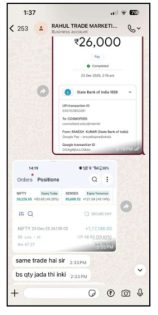
1. DG Share Market Research

What Action does SEBI take Against Profit Sharing?
SEBI has been on a warpath to clean up the ecosystem. In the 2024-2025 period alone, SEBI initiated enforcement actions against over 886 entities for fraudulent trading practices.
The Maxx Innovation Growth (MIG) fraud is a textbook reminder of how glossy promises can hide ugly realities.

On the surface, MIG marketed itself as an innovative, investor-friendly platform built on a “profit-sharing trading” model, an idea that instantly sounded fair, modern, and low-risk. Who wouldn’t want guaranteed returns without the usual market stress?
But behind the polished pitch was a very different story.
MIG didn’t grow wealth; it quietly drained it. Retail investors were drawn in with bold assurances of fixed profits and shared gains, only to later discover that these promises were nothing more than bait.
Instead of genuine trading activity, the firm allegedly created fake portfolios to show imaginary profits, while real client money was being siphoned off elsewhere.
It lures investors by projecting high earning potential and offering a profit-sharing arrangement without clearly disclosing the associated risks.
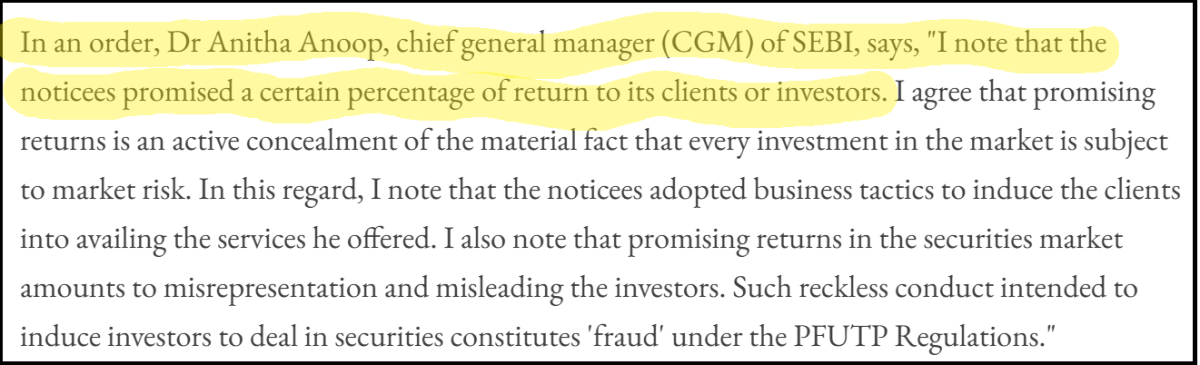
The MIG case isn’t just another scam story; it’s a powerful lesson for investors. If returns are guaranteed and transparency is missing, the risk may not be in the market, but in the model itself.
Another major crackdown happened when SEBI fined multiple individuals for using social media to manipulate stock prices under the guise of “expert profit-sharing advice.”
These cases serve as a clear warning: always verify SEBI registration, understand the risks, and be cautious of any profit-sharing trading offer promising guaranteed returns.
What Should You Do After You’ve Been Scammed?
If you have already shared your credentials and noticed unauthorized trades, or if a “manager” is refusing to return your money, you must act immediately.
This is where our team at FraudFree steps in. We don’t just give advice; we take action.
When you register with us, we follow a professional, stepwise profit sharing scam recovery process to fight for your money:
- Formal Complaint: We draft a detailed legal complaint to the broker’s compliance department to create a paper trail.
- File a complaint in SEBI SCORES: We file your case on the government’s official grievance portal (SCORES) with all the necessary evidence to get the regulator’s attention.
- File a complaint in Smart ODR: We guide you through the stock exchange’s Online Dispute Resolution (ODR) meetings to settle.
- Arbitration: If the matter is not resolved, we represent your case in the SEBI-appointed arbitration cell for a final legal verdict under arbitration in share market proceedings.
This structured approach strengthens your recovery claim and increases regulatory scrutiny on the offending entity.
Conclusion
Falling for profit-sharing scams can be a traumatic experience, but you don’t have to face it alone.
The stock market is a place for disciplined investing, not “get-rich-quick” schemes run by anonymous people on WhatsApp.
Understanding the real profit sharing scams risk is the first step toward protecting your capital and making informed decisions.
Always verify if a broker or advisor is SEBI-registered before handing over a single rupee.
Remember, if an investment sounds too good to be true, it almost certainly is.