

Quick Summary: SEBI’s most recent order against Angel One, dated June 2026, examined whether the broker had adequate systems to detect unauthorised fund collection by its Authorised Persons, along with broader due diligence gaps in AP oversight. Angel One settled the matter for ₹4,28,01,600, without admitting or denying the findings. This page walks through what SEBI examined, how Angel One responded, and how this connects to a related order from seven months earlier.
Money changing hands outside a broker’s official channels is one of the hardest things to supervise, and one of the most damaging when it goes wrong.
SEBI’s most recent order against Angel One examined exactly that gap.
SEBI Order Against Angel One Over Fund Collection: What Was Examined
SEBI’s adjudication and enquiry proceedings, initiated through show cause notices, examined Angel One’s compliance with stock broker standards specifically around the conduct of its Authorised Persons.
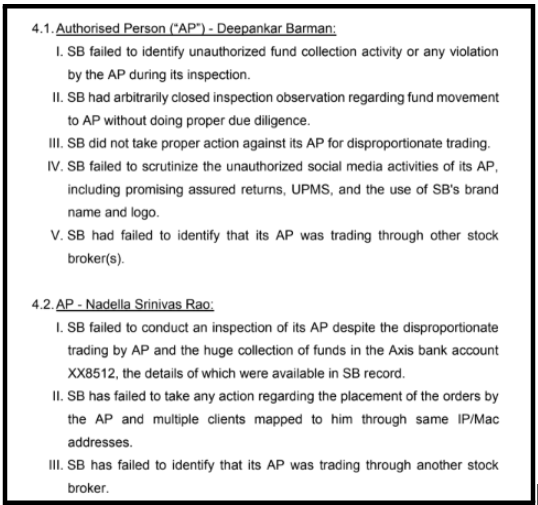
What SEBI’s Findings Described
- Inadequate supervision and monitoring of Authorised Persons: The order found deficiencies in how Angel One oversaw and monitored its APs on an ongoing basis, not tied to a single incident.
- Failure to detect unauthorised fund collection: SEBI’s central finding was that Angel One had not adequately detected instances where Authorised Persons were collecting funds from clients outside the broker’s own regulated channels, a practice that removes client money from the protections a properly routed transaction would have.
- Insufficient due diligence and oversight controls: The order cited a general shortfall in due diligence measures relative to what current market regulations require.
- Circular and regulatory non-compliance: Specific violations were cited under SEBI’s stock broker supervision circulars and NSE circulars concerning oversight, read together with the SEBI Stock Brokers Regulations, 1992.
How Angel One Responded
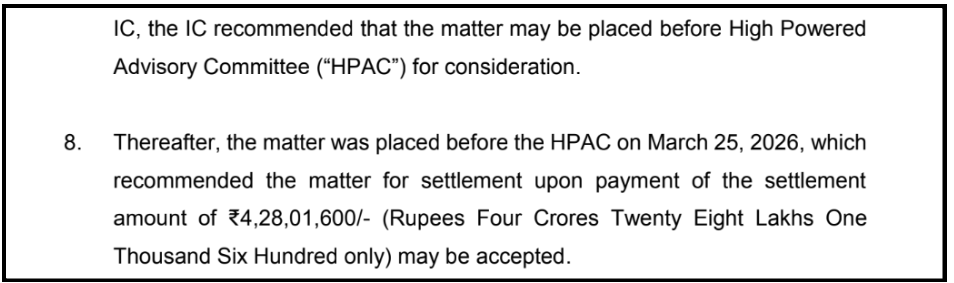
Angel One settled this matter for ₹4,28,01,600 under the SEBI Settlement Proceedings Regulations, 2018, an identical amount to the earlier AP-related settlement, choosing to pay without admitting or denying SEBI’s findings rather than contesting them through a full hearing.
What SEBI Concluded
Upon receipt of the settlement amount, SEBI formally closed both the adjudication and enquiry proceedings, with no further penalty or operational restriction imposed.
Why This Is the Second Order on the Same Underlying Issue
This order, dated June 2026, follows a closely related settlement from November 2025 that also concerned Authorised Person supervision gaps, in that case involving unreported terminal locations and unauthorised terminal operators.
Together, the two orders point to a recurring theme in Angel One’s regulatory history rather than two unconnected incidents.
Weak supervision over who can operate on a client’s behalf is also the backdrop against which unauthorised trading tends to happen, since an unsupervised terminal or agent is often the point where trades a client never placed enter the account.
Also Read: SEBI CAS consultation paper, ₹791.50 crore traded in a gap most traders ignore.
What This Order Means If Money Went to an Authorised Person Directly
Unauthorised fund collection typically means a client paid money to an Authorised Person or sub-broker directly, outside Angel One’s own official payment channels, often trusting that this was a normal part of the relationship.
This order confirms SEBI has identified this exact risk as a documented supervision gap at Angel One.
If you paid money directly to an Authorised Person, agent, or sub-broker connected to Angel One rather than through the broker’s official channels, that payment sits outside the protections a properly routed transaction carries, and this order is directly relevant to understanding why that risk exists.
It’s also a common thread across Angel One complaints involving Authorised Persons, where the client believed they were dealing with the broker itself and only later discovered the payment never went through official channels at all.
Regulatory orders only tell part of the story, since many affected clients pursue their losses separately through arbitration rather than waiting on SEBI action.
For individual client disputes, Angel One arbitration cases covers real cases and award amounts.
Did you pay money directly to an Authorised Person or agent connected to Angel One, outside official channels?
Our team reviews exactly how your payment was routed, checks it against SEBI’s documented findings on unauthorised fund collection, and helps you understand your options. Register with us for a free consultation.
Conclusion
SEBI’s most recent order against Angel One, settled for ₹4.28 crore, found the broker had not adequately detected unauthorised fund collection by its own Authorised Persons, echoing a closely related order from seven months earlier.
Two orders on the same underlying theme, within less than a year of each other, are worth weighing carefully if your own dealings involved an Authorised Person rather than Angel One directly.
Report. Recover. Stay Fraud Free.
Frequently Asked Questions
1. What is unauthorised fund collection by an Authorised Person?
It refers to an Authorised Person or sub-broker collecting client money outside the broker’s official, regulated payment channels. This bypasses the protections a properly routed transaction through the broker itself would carry.
2. How is this order connected to Angel One’s earlier AP terminal order?
Both orders concern supervision gaps over Authorised Persons: one focused on unreported terminal locations and unauthorised operators, this one on undetected unauthorised fund collection. Together they point to a recurring supervision issue rather than a single isolated incident.
3. How much did Angel One pay to settle this matter?
Angel One settled for ₹4,28,01,600 under the SEBI Settlement Proceedings Regulations, 2018, without admitting or denying the findings, the same amount as the related November 2025 settlement.
4. What should I do if I paid an Authorised Person directly rather than through Angel One’s official channels?
Review your payment records to confirm exactly how the money was routed, and raise the matter with Angel One in writing before escalating to SEBI SCORES or arbitration. Payments made outside official channels carry fewer built-in protections, which is exactly the risk this order identifies.





 Add us as a preferred source on Google »

