

Have you ever followed a stock market influencer on social media and thought, “This person seems legit”?
You check their profile. The credentials look solid. The screenshots of winning trades look impressive.
The testimonials from happy clients look convincing. And slowly, you start to trust them.
But then, a few days later, those posts disappear.
This is a pattern many traders are now noticing and talking about online.
When a SEBI-registered research analyst posts past performance screenshots on Twitter and then quietly deletes them the next day, it raises questions. Serious ones.
In this blog, we take a closer, more grounded look at who Vibhor Varshney is, what concerns traders are raising, and what you should keep in mind before joining any paid advisory program.
Vibhor Varshney Twitter Details
Before examining the discussions surrounding his social media activity, it is important to understand who Vibhor Varshney is and what credentials he holds.
For investors asking, is Vibhor Varshney SEBI registered? The answer is yes. Vibhor Varshney is a SEBI-registered Research Analyst operating under registration number INH100005419 and is also NISM-certified.
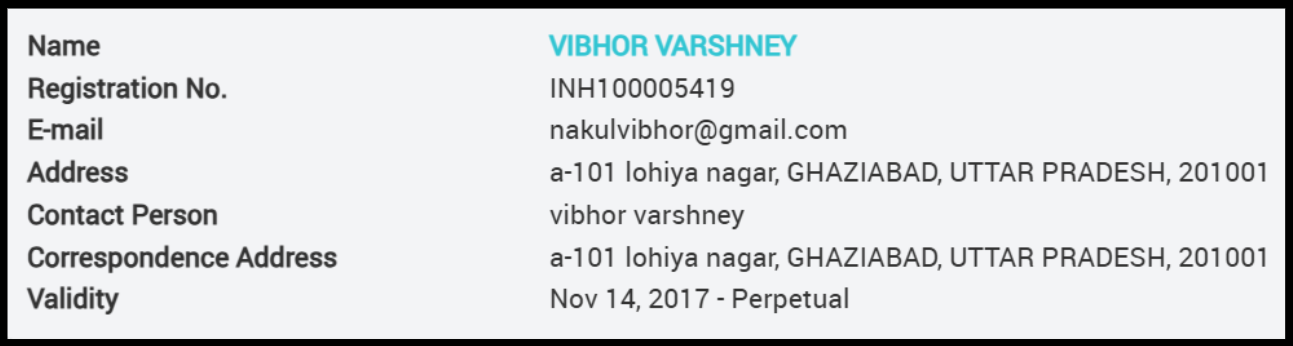
He provides his professional research and advisory services through Vighnahara Investment Solutions, a firm based out of Ghaziabad, Uttar Pradesh.
His social media presence is broad; he has built a Vibhor Varshney YouTube community of over 4.6 lakh subscribers.
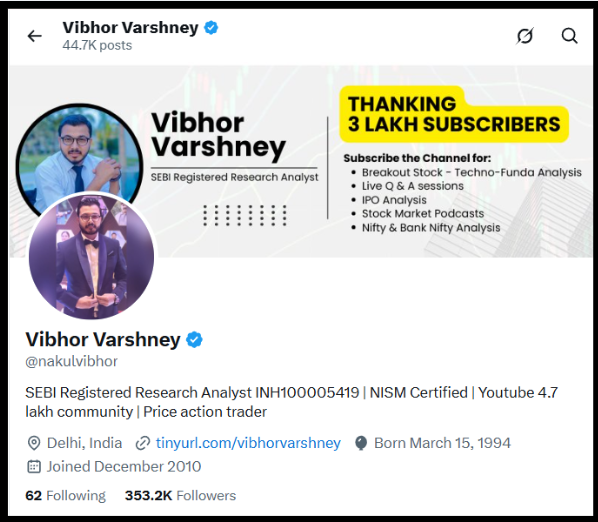
On Twitter (now X), he operates under the handle @nakulvibhor.
Through this specific channel, the profile primarily claims to provide:
- Real-Time Market Insights: Regular updates, charts, and commentary on current stock market trends and specific setups.
- Options Trading Milestones: Frequent announcements of high-performing options trades, showcasing instances where specific calls (like Tata Steel or ICICI Bank contracts) allegedly doubled or tripled in value.
- Proof of Success (Testimonials): Shared screenshots of WhatsApp conversations from clients expressing gratitude for profitable recommendations.
- Direct Funnels to Paid Advisory: Explicit invitations for aspiring traders to “drop a text” or click direct WhatsApp links to learn about and enrol in his premium, paid research subscription plans.
While his official credentials establish his presence in the market, it is his daily activity on social media that has recently sparked a massive wave of curiosity among retail investors.
Also Read: Aakanksha Gupta Twitter, the handle behind her ₹5,900 Telegram channel.
Why Are Traders Searching Vibhor Varshney Twitter So Often?
When a name shows up repeatedly in trader searches, it usually means something is on people’s minds.
Traders are not just searching Vibhor Varshney Twitter out of curiosity; many are trying to find an honest Vibhor Varshney paid advisory review before investing their hard-earned money.
They are asking specific questions:
Did something get posted and deleted? Are the screenshots real? Is the paid service worth joining?
Let us talk about what observers have documented.
Vibhor Varshney uses his Twitter account @nakulvibhor to share market views, option trade results, and client profit screenshots.
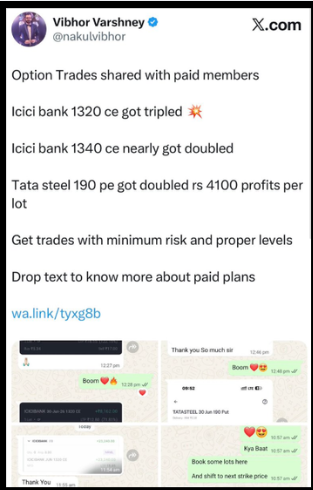
Posts frequently show results like “ICICI Bank 1320 CE got tripled” or “Tata Steel 190 PE got doubled.”
These posts also include WhatsApp screenshots from clients expressing satisfaction after trades.
The posts then invite traders to “drop a text” to learn about paid plans. A link to a WhatsApp group is often included.
So far, this is common among market analysts on social media. But here is the part that traders and observers have flagged.
These posts reportedly appear on Twitter, stay live for a day, and then disappear. New ones replace them with fresh screenshots.
This cycle repeats regularly.
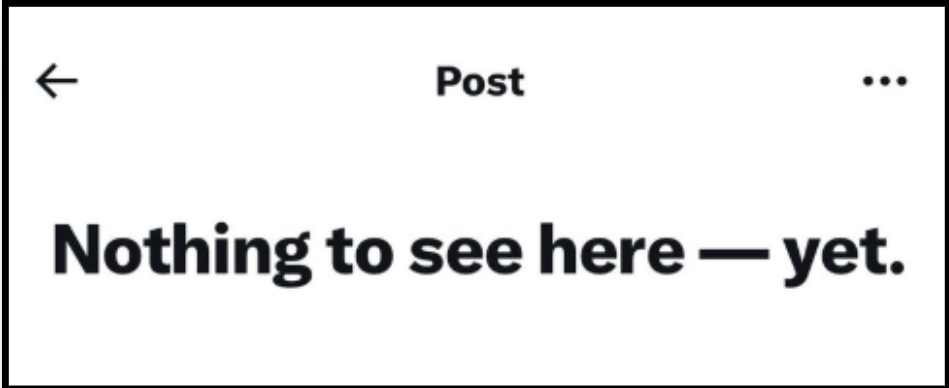
And that pattern has caught the attention of people who know SEBI’s rules closely.
What Do SEBI Rules Say About This Kind of Content?
This is where it gets important, especially for traders who are evaluating whether to pay for a service.
SEBI has clear regulations for research analysts. These rules exist to protect investors from being misled by selective, cherry-picked performance claims.
Here is what SEBI prohibits a registered research analyst from doing:
- Displaying past performance to attract clients is specifically restricted under the Master Circular (Clause 11.1(c)(xii)). Showing screenshots of winning trades to promote paid plans falls squarely into this category.
- Showing misleading testimonials is prohibited under Clause 11.1(c)(iii). WhatsApp messages from happy clients, used as promotional content, qualify as testimonials under SEBI’s framework.
- Misleading by omission is covered under Clause 11.1(c)(iv). Showing only wins and never losses creates a distorted picture of performance. That selective presentation is itself a violation.
- Deliberate deletion of promotional posts is addressed under Clause 11.1(d)(v) read with RA Regulation 25(2). SEBI requires research analysts to maintain records of all marketing communications for five years. Deleting posts undermines this requirement entirely.
- Advisory and marketing must remain at arm’s length, as required by RA Regulation 16(5). When an analyst uses their personal social media handle to directly solicit paid clients, without the separation that regulation demands, it creates a compliance concern.
Now, the critical point here is this: the act of deleting these posts, if done deliberately, suggests an awareness that the content may not comply with SEBI’s rules.
That is not an allegation. It is an observation based on what has been documented publicly.
These are reported concerns. Final conclusions rest with SEBI and regulatory authorities alone.
Red Flags Every Trader Should Watch Out For
Whether you are evaluating vibhor varshney twitter or any other analyst promoting paid plans on social media, these signs deserve your attention.
1. Winning Trades Only, Never Losses
If a social media profile only ever shows profits, that is not transparency. Every analyst has losing calls. A profile that hides losses is presenting a false picture of their track record.
2. Posts That Disappear Regularly
Content that gets deleted after a day is not random. SEBI requires marketing communications to be preserved. Disappearing posts raise the question of whether the content was compliant to begin with.
3. Testimonials Used as Promotional Bait
WhatsApp screenshots from satisfied clients are testimonials. SEBI prohibits the use of misleading testimonials in research analyst marketing.
Any analyst using client messages to promote paid plans should be evaluated carefully.
4. WhatsApp Links in Promotional Posts
Legitimate SEBI-registered advisory services operate through structured, documented channels.
Directing potential clients to personal WhatsApp links in a social media post is a pattern that regulators have flagged repeatedly across the industry.
5. No Audited Performance Record
Before joining any paid plan, ask for a complete record of all recommendations made, including the ones that did not work. If that record is unavailable or not shared, think carefully before proceeding.
How to Register a Complaint Against a Research Analyst?
If you subscribed to Vighnahara Investment Solutions and believe you were misled by the service or its marketing, you have a proper, structured path available to seek resolution.
Here is what you should do, step by step:
Step 1: Collect All Evidence First
Gather every single piece of documentation.
This includes payment receipts, bank statements showing subscription fees, screenshots of trade calls (especially those with zero stop loss), chat history, any written promises, and copies of the promotional tweets or screenshots before they were deleted.
Step 2: Raise the Issue in Writing With the RA
Before escalating to external platforms, contact Vibhor Varshney or the Vighnahara Investment Solutions team formally via their registered email address.
State your grievance clearly regarding the service mismatch or losses, and keep a definitive copy of all sent messages and correspondence.
Step 3: File a Complaint on SCORES
If your written complaint goes unresolved or ignored by their customer support, register a formal complaint on SEBI’s official SCORES portal.
Upload your organised timeline of evidence and describe the regulatory gaps clearly and factually.
Step 4: Escalate Issue with SMART ODR
If the SCORES process does not resolve the matter to your satisfaction, escalate the dispute through SEBI’s SMART ODR platform.
This portal facilitates online conciliation and structured dispute resolution, offering a formal legal alternative to standard court proceedings.
Step 5: Stock Market Arbitration
If the conflict remains unresolved after mediation, you can opt for formal arbitration through the exchange mechanisms.
For cases involving severe capital erosion or significant financial impact, it is highly advisable to seek independent legal advice to evaluate your recovery options.
Need Help?
If you have already lost money following paid trading advice, or if something about the service you subscribed to feels wrong, do not wait.
Gather all your evidence first: payments, conversations, promotional content that was shown to you, and the calls or recommendations you received.
Then reach out to us for support.
Our team helps investors understand their options, file complaints correctly, and navigate regulatory processes. The earlier you act, the stronger your case.
Conclusion
The conversation around vibhor varshney twitter is not just about one person. It reflects a wider concern that traders across India are grappling with right now.
Social media has made it easy for anyone, registered or not, to look credible. Screenshots of profits, client testimonials, and confident market calls can attract thousands of followers. But SEBI’s rules exist precisely because these tools can mislead as easily as they can inform.
A SEBI registration is a starting point, not a guarantee of trustworthiness. What matters just as much is whether an analyst follows the rules that come with that registration, maintaining records, disclosing conflicts, avoiding misleading claims, and not selectively deleting content that does not comply.
Before you pay for any advisory service, verify. Ask questions. Check SEBI’s database. Demand a full track record.
Your money deserves that level of care.
Frequently Asked Questions
1. What is the Vibhor Varshney Twitter handle?
Vibhor Varshney is active on Twitter (now X) under the handle @nakulvibhor. He uses this platform to share market calls, client screenshots, and promotional content for his paid plans.
2. Can a SEBI-registered analyst show past performance on social media?
No. SEBI’s regulations for research analysts specifically restrict the display of past performance as a means to attract or solicit clients. Doing so violates the Master Circular applicable to research analysts.
3. What should I do if I lost money following a paid research analyst’s calls?
File a complaint on SEBI’s SCORES portal. You can also use the SMART ODR platform for dispute resolution.
Gather all documentation, payments, messages, and recommendation records, before filing.
4. Are WhatsApp testimonials from clients used in promotions allowed under SEBI rules?
No. SEBI prohibits registered research analysts from using misleading testimonials in their marketing or promotional content.
Client WhatsApp messages used to attract new subscribers are considered testimonials and fall under this prohibition.




 Add us as a preferred source on Google »

