

Quick Summary
A SEBI proceeding concluded in August 2023 examined how Angel One opened 26 non-existent client accounts between 2009 and 2013, later used to dematerialise physical shares in 14 listed companies worth roughly ₹4.60 crore. The proceeding closed without a fresh penalty, with SEBI taking into account the years that had passed and remedial steps Angel One had already put in place since. This page explains what SEBI examined, how the case was handled, and why it closed without a fresh fine.
Not every SEBI order against a broker ends in a fine.
This one closed without a fresh penalty, but the underlying findings are still worth understanding if you are evaluating Angel One’s account-opening history.
SEBI Order Against Angel One For Bogus Accounts: What Was Examined
The proceeding, conducted under Section 12(3) of the SEBI Act and Regulation 27 of the SEBI Intermediaries Regulations, looked at conduct dating back to between 14 September 2009 and 8 March 2013, more than a decade before the order itself.
That decade-long gap between conduct and order isn’t unique to this case; the same lag between what investors experience and when it’s formally addressed shows up across the wider set of issues raised in Angel One complaints.
Also Read: SEBI CAS consultation paper, a five-minute gap shrinking down to just one.
What Did SEBI Find
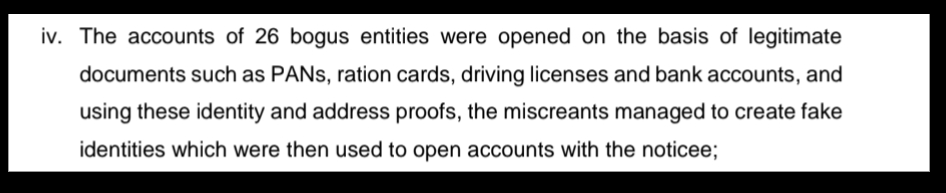
SEBI’s findings described 26 accounts opened for non-existent or bogus entities, spread across different branches, using different names and addresses but photographs that were identical or closely similar across supposedly unrelated accounts.
This pointed to a due diligence failure in how those accounts were onboarded in the first place.
Once opened, these accounts were used to dematerialise physical share certificates, roughly 3,56,222 shares across 14 listed companies, worth approximately ₹4.60 crore, some of which involved dormant accounts.
How the Matter Was Resolved
This case did not follow the settlement route seen in most of Angel One’s more recent SEBI orders.
It proceeded through SEBI’s own examination of the historical evidence, which, by the time of the 2023 order, concerned conduct from over ten years earlier.
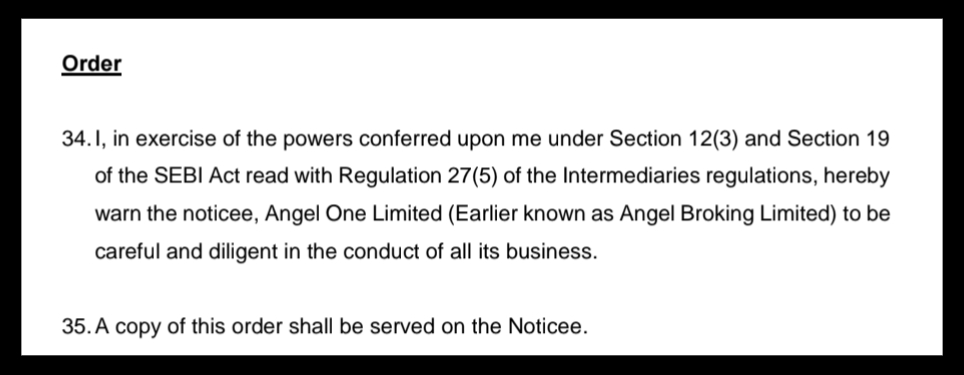
SEBI’s order noted that Angel One had already taken remedial steps and faced prior regulatory measures related to its account-opening controls in the years since the conduct occurred.
The Designated Member disposed of the proceeding without imposing a further prohibition, weighing the passage of time and those remedial steps against the historical findings.
This is different from the more recent settlement orders in this cluster, where Angel One paid a specific amount without contesting the allegations.
Here, SEBI’s own order effectively treated the matter as historical and already addressed through the broker’s subsequent compliance improvements, rather than one requiring a fresh sanction.
What This Order Means If You Opened an Account Around This Period
If your Angel One account dates back to the 2009-2013 window this order covers, it is worth understanding that the finding relates to a specific, identified pattern of bogus account creation, not to genuine client accounts opened through normal KYC procedures during that time.
This order does not by itself indicate anything about individual client accounts opened correctly.
It concerns a distinct set of fabricated accounts SEBI identified and investigated separately.
Account-level scrutiny at Angel One hasn’t stopped at onboarding either; a separate adjudicated order found the broker had also failed to settle genuinely inactive client accounts within SEBI’s required timelines, covered in the Angel One inactive client SEBI order.
Different stage, different failure, but the same underlying pattern, an account that should have been caught or closed stayed open long enough to cause a problem.
For disputes involving your own account, such as unauthorised trading or wrongful debits, our page on Angel One arbitration cases covers individual complaint outcomes and real award amounts.
Have concerns about how your Angel One account was opened or handled?
Our team checks your account history against known regulatory findings and helps you understand whether your situation connects to a documented pattern.
Register with us for a free consultation.
Conclusion
SEBI’s 2023 order describes a historical pattern of 26 bogus accounts used to move roughly ₹4.60 crore in stolen physical shares, closed without a fresh penalty given the years since passed and the remedial steps already taken.
It is one part of a broader regulatory history with Angel One that stretches into 2026, covered in full in our SEBI orders overview.
Report. Recover. Stay Fraud Free.
Frequently Asked Questions
The order described 26 non-existent client accounts opened between 2009 and 2013, used to dematerialise stolen physical shares in 14 listed companies worth approximately ₹4.60 crore.
SEBI's Designated Member closed the proceeding without a fresh prohibition, citing the significant time that had passed since the conduct occurred and remedial steps Angel One had already implemented in the years since.
No. The order concerns a specific, identified set of fabricated accounts, not genuine client accounts opened through normal KYC procedures during the same years.




 Add us as a preferred source on Google »

