

Quick Summary
Kratika Yadav is the proprietor of Ethical Research, a SEBI-registered Research Analyst firm (INH000018179) based in Indore, active since August 2024. She reports a 95% client retention rate and describes her team as bringing over 21 years of combined experience. This page covers her background, the firm’s stated offerings, and what SEBI permits under her registration.
Selecting a financial advisory service involves more than surface-level research.
It requires a thorough assessment of regulatory compliance, service model, and transparency.
Can you trust a SEBI registered research analyst in India ?
Registration is a mandatory mark of regulatory oversight, but trust is further built by verifying a firm’s specific track record.
Kratika Yadav leads Ethical Research, operating within India’s regulatory framework for research analysts.
Kratika Yadav Review
In August 2024, amid India’s fast-evolving financial advisory ecosystem, Ethical Research, led by Kratika Yadav, began drawing attention as a structured and compliance-focused player.
Ethical Research Analyst has steadily built its presence by positioning itself as a regulation-first advisory firm in a market where unverified tips often dominate.
Ethical Research is registered as a SEBI Research Analyst, Reg. No. INH000018179, under the framework of the Securities and Exchange Board of India.
This registration is significant because it reflects adherence to defined regulatory standards.
To ensure safety, investors should always check SEBI registered research analyst credentials on the official SEBI portal.
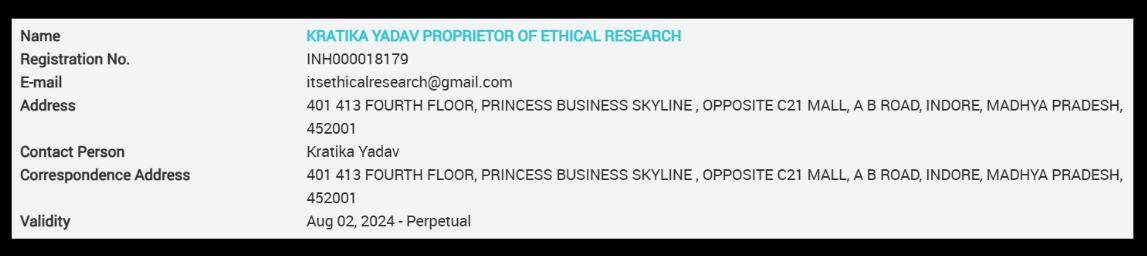
The organisation was established with the aim of delivering safe, structured, and disciplined investment guidance, rather than encouraging impulsive trades.
Also Read: Niveshartha Private Limited, with multiple addresses listed across its SEBI records and website.
What Does Kratika Yadav’s Firm Claim About Itself?
The firm reports a 95% client retention rate, indicating a stated focus on sustained client relationships and consistent service delivery.
From an operational standpoint, the company brings together over 21 years of combined experience, supported by a team of seasoned consultants.
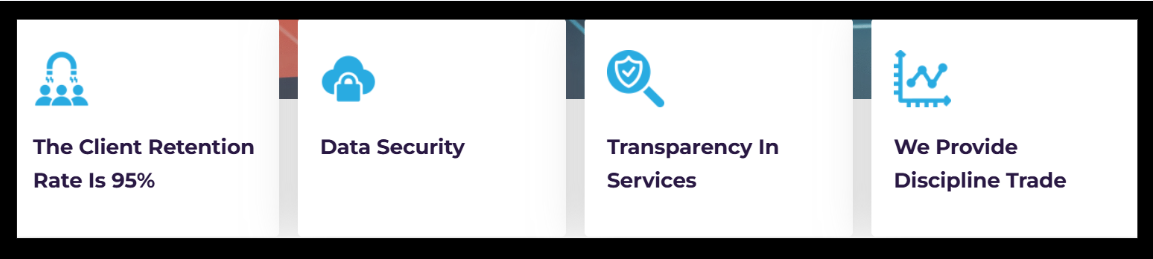
It has managed thousands of advisory cases and offers services across multiple trading segments, including cash, futures, options, and index trading.
This multi-segment approach allows traders to engage with different market instruments based on their strategies and individual risk profiles.
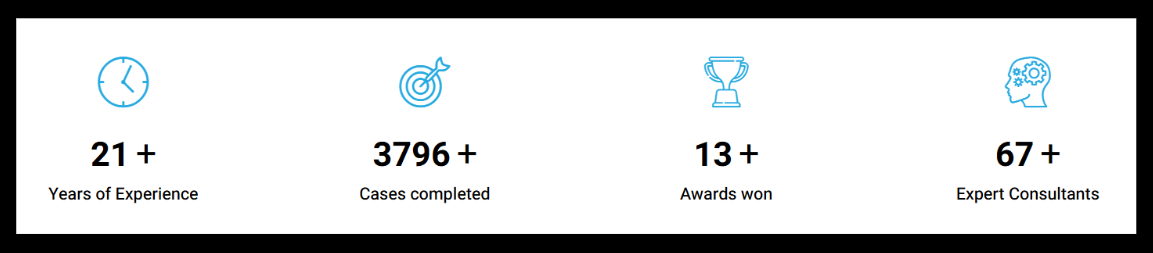
The firm’s stated approach anchors around a few core principles: data security practices, transparency in services, and a focus on discipline-driven trading.
In addition to advisory services, Ethical Research provides market analysis and real-time trade updates through its online platforms.
At first glance, this combination of regulation, experience, and structured delivery can appear reassuring.
However, it’s important to recognise that SEBI registration defines both what a firm can do and what it cannot.
While it authorises research-based recommendations, it does not assure profits or eliminate the inherent risks of trading.
Looking at complaint-related data, the overall volume remains very low.
All complaints recorded in FY 2025-26 were resolved within the same period, indicating prompt redressal and no pending backlog.
The complete breakdown of these figures is covered on our Ethical Research Analyst page.
What Does SEBI Permit a Registered Research Analyst to Do?
As per the SEBI (Research Analysts) Regulations, 2014, registered analysts are authorised to offer research-driven insights, provided they strictly comply with regulatory standards.
Registered analysts can publish detailed reports covering listed companies, industry segments, or broader market movements, including financial analysis, valuation perspectives, and risk factors.
RAs are permitted to offer buy, sell, or hold recommendations derived from structured research, every one supported by documented analysis, with risks clearly outlined.
They may share informed views on equities, sectors, macroeconomic trends, and derivatives.
However, their role is limited to analysis and advisory, they cannot execute trades or manage client funds.
Research Analysts can charge clients for their services, but the fee structure must be fully transparent, and charges cannot be linked to profits or performance.
Also Read: First Trade Research, two algo products, no exchange ID disclosed.
What Is Kratika Yadav’s Firm Prohibited From Doing?
While RAs can provide valuable guidance, SEBI has established strict boundaries to safeguard investors.
A Research Analyst cannot promise guaranteed profits, fixed income, or daily earnings. Such assurances are misleading and violate regulatory norms.
No analyst can offer plans that promise to recover past losses, or present strategies as risk-free.
Fees cannot be dependent on client profits, portfolio size linked to returns, or deducted as a share of trading gains.
Aggressive sales tactics, repeated calls, pressure to make quick payments, or creating urgency to close deals are not permitted.
Analysts must provide formal agreements, risk disclosures, and complete service details before onboarding clients.
What to Do If You Face Issues With Kratika Yadav’s Services?
If you suspect misleading or unethical practices, respond methodically and with proper documentation.
Gather all evidence first. Payment receipts, chat records, screenshots, bank transfers, and any communication with the analyst.
Contact the analyst first. Clearly explain your issue and allow a fair opportunity to resolve it.
Lodge a SCORES SEBI complaint if you don’t receive a satisfactory response. This ensures your grievance is formally recorded.
Register a complaint in the SMART ODR portal if the issue remains unresolved.
Pursue share market arbitration as a more formal process if you’re still not satisfied.
Track your SCORES SEBI complaint status online regularly, following up whenever necessary.
Many investors assume SEBI registration automatically guarantees trustworthiness. It doesn’t.
Tell us what you’re dealing with, and we’ll help verify the authenticity of the registration and identify any regulatory breaches.
Disclaimer: No SEBI order, adjudication, or arbitration ruling has been issued against Kratika Yadav or Ethical Research as of this writing.
The claims above, including client retention and team experience figures, are drawn from the firm’s own published statements and have not been independently audited.
Bottom Line
Kratika Yadav, proprietor of Ethical Research, offers market analysis, trading signals, and educational guidance tailored for participants in the Indian stock market.
If you’re planning to use these services, clearly understand the scope defined by SEBI regulations, what’s permitted and what falls outside the advisory framework.
Before enrolling, review the firm’s registration credentials, pricing structure, service policies, and risk disclosures.
Report. Recover. Stay Fraud Free.
Frequently Asked Questions
Kratika Yadav is the proprietor of Ethical Research, a SEBI-registered Research Analyst firm based in Indore, active since August 2024.
95%, based on the firm's own published statement, not independently audited.
Cash, futures, options, and index trading, according to the firm's own website.
No, a Research Analyst registration only permits publishing research and recommendations, not managing client funds or executing trades.
The firm states over 21 years of combined experience across its team of consultants, per its own published claims.





 Add us as a preferred source on Google »

