

Quick Summary
SEBI passed an adjudication order against Bikash Kumar Jain on September 20, 2022, citing nine separate compliance failures across Research Analyst Regulations, anti-money laundering requirements, and unfair trade practice rules. The order imposed a total penalty of ₹14 lakh, split between ₹4 lakh for RA regulation violations and ₹10 lakh under PFUTP. This blog explains each violation in plain terms, why SEBI treats them seriously, and what the unpaid penalty eventually led to.
Most investors never question the person giving them stock tips until it is already too late.
You scroll through confident predictions, polished content, and bold market calls every single day without thinking twice.
But what happens when the system meant to protect you starts uncovering something far more troubling beneath the surface?
The SEBI action against Bikash Kumar Jain research analyst is one of those cases that surfaced through regulatory channels before most investors even noticed anything was wrong.
It didn’t begin with a dramatic headline or a sudden market crash, but with inspections, unanswered questions, and missing documents.
The more SEBI dug in, the more the picture started looking completely different from what investors were being shown.
If you have ever trusted an analyst with your money, what unfolded in this case might genuinely change how you think about that decision.
What Was the SEBI Action Against Bikash Kumar Jain Research Analyst?
Before understanding what SEBI found, many investors first ask the most basic question: is Bikash Kumar Jain SEBI registered?
And the answer to that question is precisely what makes this case so important to examine carefully. Because registration alone, as this case reveals, was never the complete picture.
SEBI is known as the watchdog of the Indian stock market because its main job is to protect investors from unfair practices.
Now, when people search for Bikash Kumar Jain reviews online, they often expect to find investor experiences, complaint discussions, or regulatory background information.
But there is no such information. However, the SEBI website tells another story.
Whenever a registered market expert allegedly ignores important compliance rules, SEBI closely investigates the matter to maintain transparency and investor trust.
The SEBI action against Bikash Kumar Jain research analyst, became one such case that attracted attention after several regulatory concerns reportedly surfaced during inspection proceedings.
1. What Was The Order?
SEBI passed an adjudication order against Bikash Kumar Jain on September 20, 2022, following an examination into alleged violations linked to research analyst regulations and market conduct requirements.
The order discussed multiple compliance-related concerns, including issues connected to regulatory disclosures, maintenance of records, and adherence to obligations expected from registered research analysts.
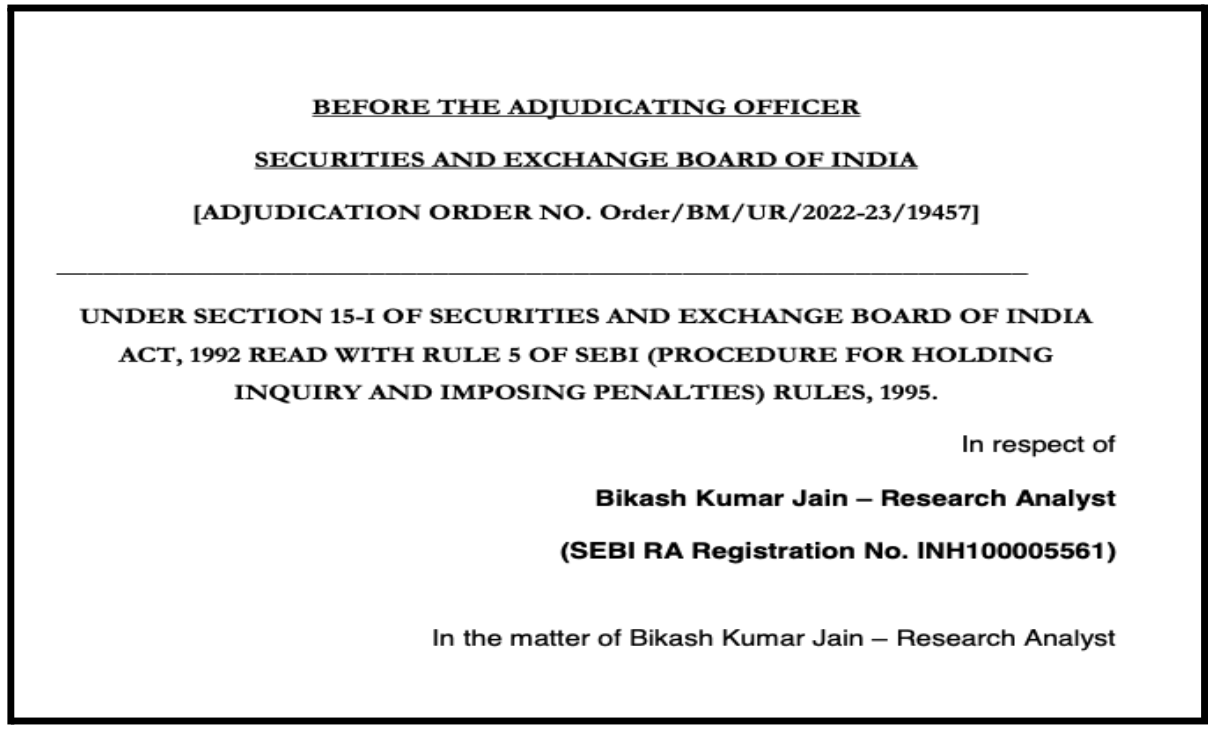
According to the findings mentioned in the order, SEBI observed that certain important compliance mechanisms were either not properly implemented or allegedly ignored during the relevant period.
The regulator also examined matters related to operational transparency and practices that could potentially affect investor protection standards.
2. Why Was The Order Imposed?
SEBI imposed the order after observing multiple alleged violations during its inspection and investigation process.
Some of the major violations mentioned in the order included:
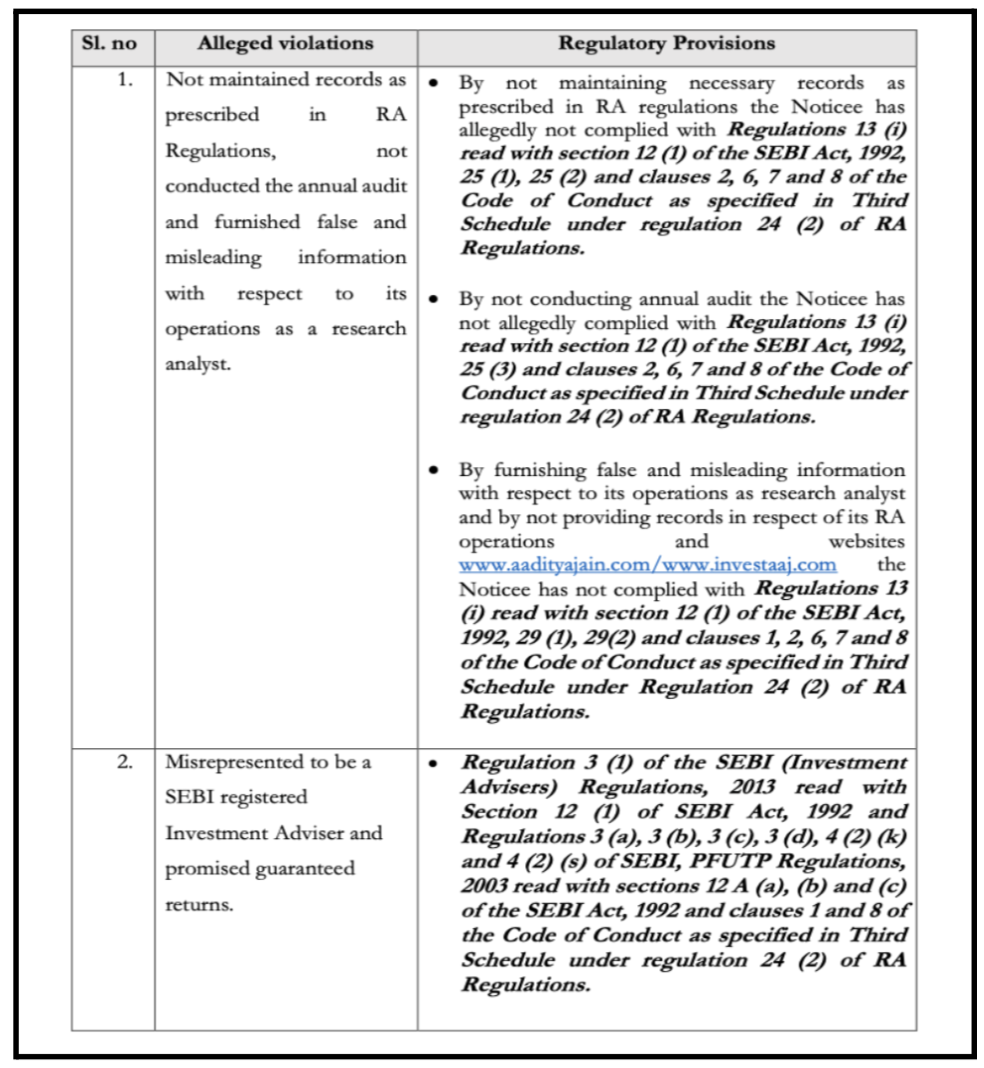
- Failure to comply with Research Analyst Regulations and Code of Conduct requirements.
- Failure to obtain mandatory SCORES authentication despite SEBI requirements.
- Failure to maintain the minimum required net worth documents.
- Failure to maintain Anti Money Laundering and CFT compliance systems.
- Non-compliance with SEBI AML Circulars and Master Circular provisions.
- Alleged violations involving fraudulent and unfair trade practices under PFUTP Regulations.
- Failure to provide proper documents and compliance records during inspection proceedings.
- Non-compliance with obligations applicable to SEBI-registered intermediaries.
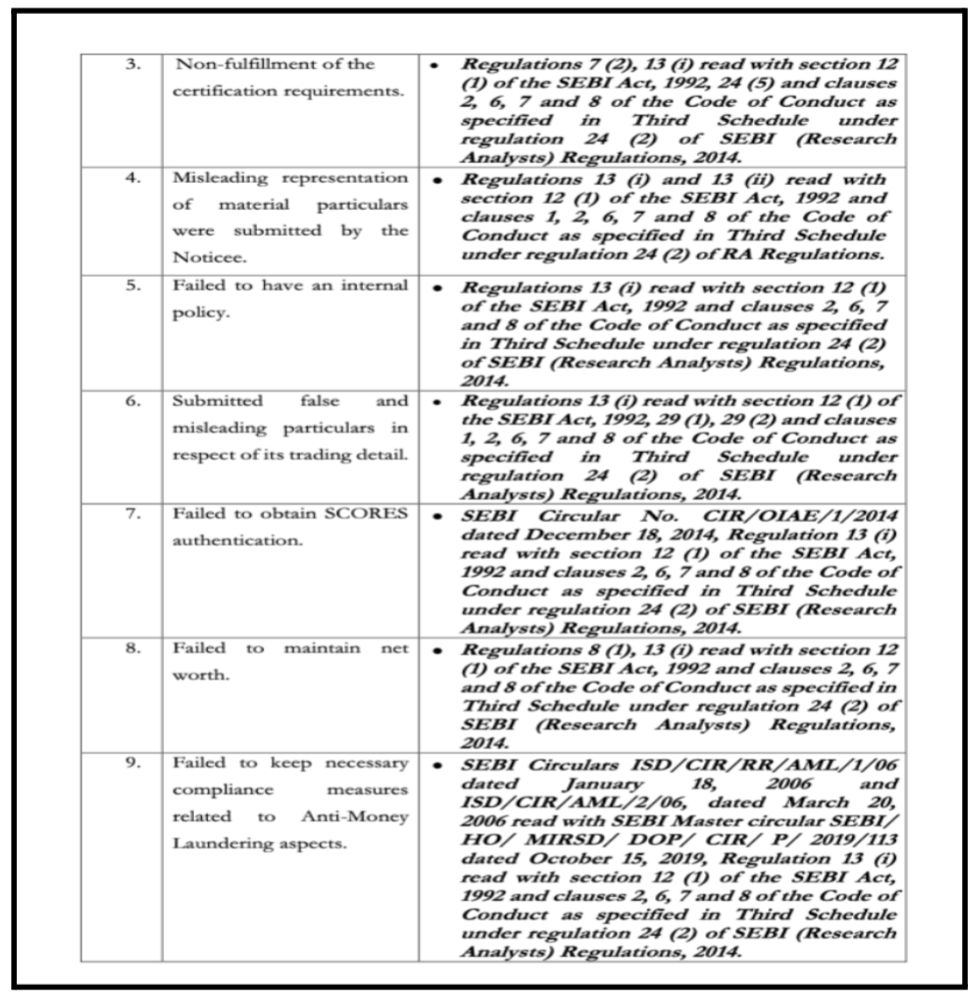
According to SEBI, these violations showed serious compliance lapses expected from a registered research analyst.
The findings indicated concerns around regulatory adherence, internal controls, and the overall responsibility expected from entities providing market-related recommendations to investors.
3. What Was The Penalty Imposed?
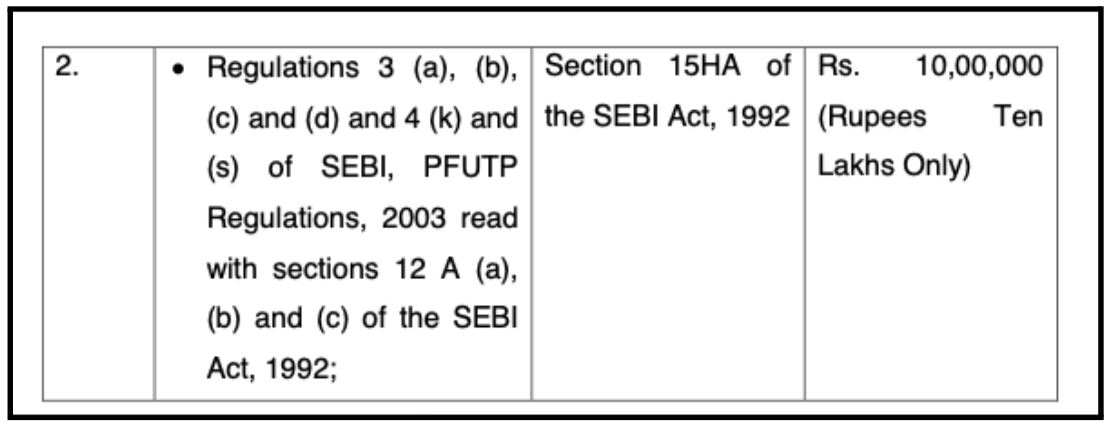
SEBI imposed a total monetary penalty of ₹14 lakh on Bikash Kumar Jain after finding violations linked to both the Research Analyst Regulations and unfair trade practice provisions under the PFUTP (Prohibition of Fraudulent and Unfair Trade Practices) Regulations.
Out of the total amount, ₹4 lakh was imposed for non-compliance with Research Analyst regulatory requirements, including failures related to registration and regulatory obligations.
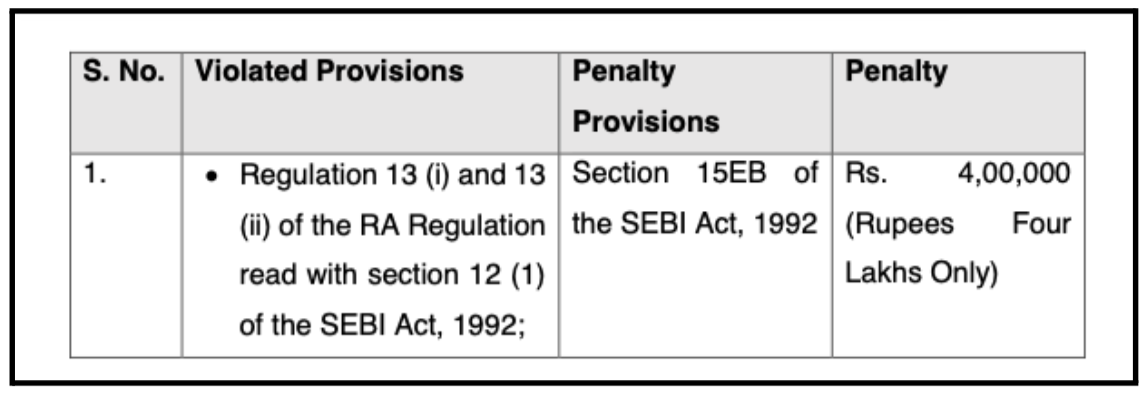
An additional ₹10 lakh penalty was levied for violations connected to unfair trade practices, which SEBI viewed as more serious from an investor protection perspective.
The regulator stated that failure to comply with the payment directions could lead to further recovery proceedings under applicable legal provisions.
The order reflects SEBI’s continued focus on monitoring market-related misconduct and enforcing compliance where investor interests may be affected.
Not sure whether what you’ve experienced maps onto a violation SEBI actually acts on?
We will review your specific situation against SEBI’s regulations and help you build a complaint with real weight behind it.
Key Learnings For Investors
This case highlights some of the major investor learnings that you can learn and apply whenever needed.
These include:
- Never trust a research analyst only because they claim to be SEBI registered.
- Always verify the background and credibility of financial advisors carefully.
- Investors should avoid blindly following guaranteed return claims or unrealistic promises.
- Regulatory compliance is extremely important in the securities market.
- Missing compliance records can become a serious issue during SEBI investigations.
- Investors should stay alert and ask questions before acting on stock market advice.
- Transparency and ethical conduct matter as much as market knowledge in financial services.
Cases like the SEBI action against Bikash Kumar Jain research analyst remind investors that trust in financial markets should always be backed by proper verification.
They also show how seriously SEBI treats compliance failures involving registered market intermediaries.
Investors need to refer to the SEBI guidelines for research analysts to better understand what obligations registered analysts are expected to follow.
What to Do If a Research Analyst Has Broken These Rules?
If you believe an advisor has engaged in conduct resembling any of the violations above, evidence and the right escalation sequence matter more than speed.
Start by collecting payment receipts, chat conversations, and any recommendations or promotional claims you received, in writing. Raise the concern directly with the advisor first, in writing, and keep a record of the exchange.
If that doesn’t resolve things, file through the SEBI SCORES portal, which creates a formal, trackable record the entity must respond to.
Should the response fall short or the dispute involve a financial claim, mediation through SMART ODR login is the next stage, designed to resolve things faster than heading straight to a formal hearing.
For losses that remain unresolved even after mediation, arbitration in share market provides a binding, final decision based on the evidence both sides present.
If you want to know the full process in detail, check our guide on complaint against SEBI registered research analyst.
Conclusion
The SEBI action against Bikash Kumar Jain research analyst, clearly shows how seriously the regulator views compliance failures in the securities market.
This case also highlights an important reality for investors. Blindly trusting stock market advisors without verification can become risky.
Investors must always check registration details, complaint history, and the credibility of any research analyst before acting on recommendations.
As investor awareness grows, regulatory scrutiny is becoming stronger across the financial sector.
Cases like this serve as a reminder that accountability and professionalism remain essential in maintaining trust in the securities market.
Report. Recover. Stay Fraud Free.
Frequently Asked Questions
₹14 lakh total, split as ₹4 lakh for Research Analyst regulation violations and ₹10 lakh for violations under PFUTP Regulations.
PFUTP stands for Prohibition of Fraudulent and Unfair Trade Practices, one of SEBI's more serious regulatory categories, generally applied to conduct involving deception or unfair advantage rather than simple paperwork lapses.
SEBI requires AML systems from registered intermediaries specifically because securities accounts can be used to move illicit funds. A missing AML system removes a safeguard meant to protect the wider financial system, not just individual clients.
The unpaid penalty triggered formal recovery proceedings, including a Notice of Demand and a subsequent Notice of Attachment on his bank and demat accounts, detailed on our main profile page for this case.





 Add us as a preferred source on Google »

